

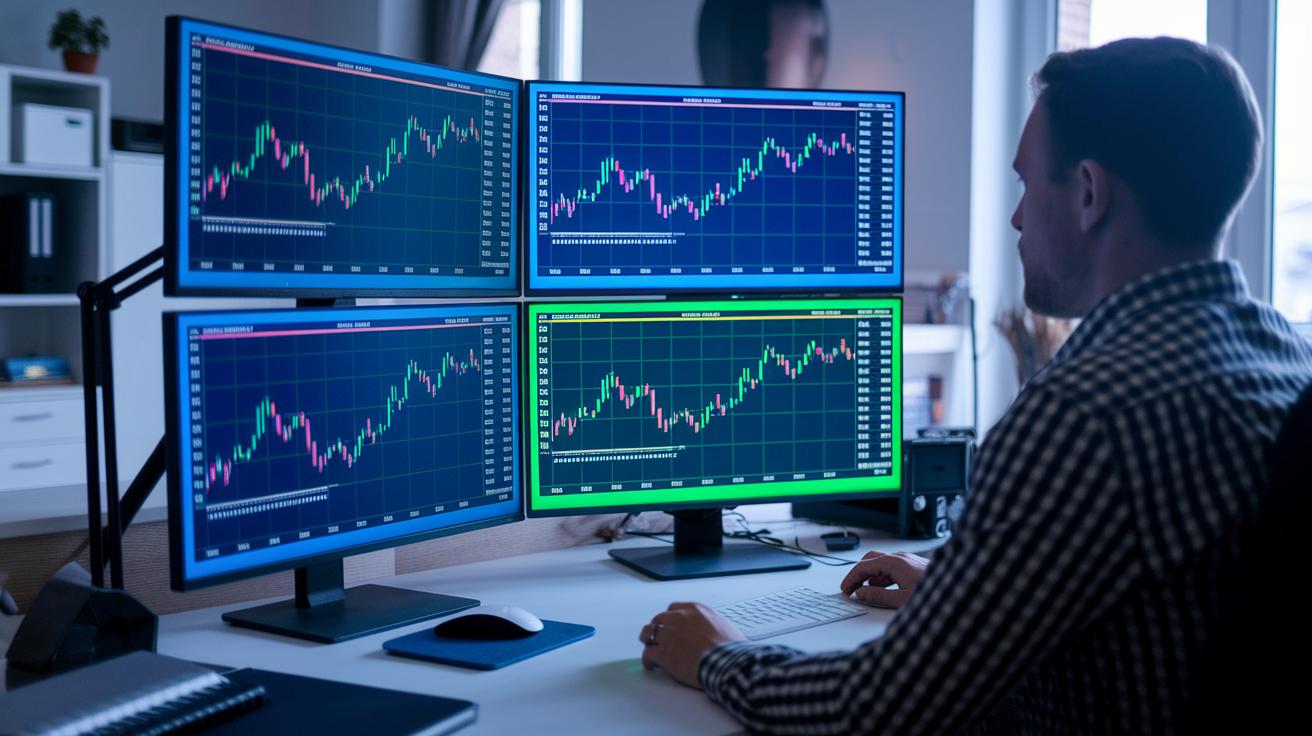

Have you ever thought a machine could trade smarter than you? AI day trading uses smart computer programs to sift through tons of market data in seconds. It removes the guesswork by turning tricky numbers into clear signals, so you feel confident making decisions. This smart way not only speeds up your trades but also helps you make choices that might boost your profits. In this article, we’ll see how AI is changing old trading methods into a fast, reliable tool for making smart gains.
AI Day Trading Fundamentals: Tactics, Benefits, and Legality
AI day trading uses smart computer programs to keep an eye on the market and make quick trading decisions. These systems are built with artificial intelligence that checks thousands of data points every second. They find price patterns and market signals, and they place orders in just moments. This lets traders stay on top of shifting markets with a reliable, quick decision engine.
By crunching huge amounts of data with AI-powered asset analysis, traders can set up trades based on clear, data-backed insights. Automated orders take the emotion and human error out of trading, lowering the chances for mistakes. And yes, using AI for day trading is fully legal. Many brokers and platforms now support these tools, using them to process information and trigger trades when conditions are right.
- Super fast trade execution in less than a second
- Steady, emotion-free decisions driven by data
- Precise analysis thanks to AI-powered asset evaluation
- Smooth, real-time order handling
This technology changes the game for day trading by bringing speed, consistency, and reliability. It gives traders an edge in fast-moving markets and shows that smart, automated strategies can lead to solid profit gains without leaving things up to chance.
AI Day Trading Techniques: Neural Forecasting and Real-Time Analytics

Imagine having a tool that helps you make smart trades based on both computer coding and solid money smarts. AI day trading uses clever computer programs that learn from heaps of past data to spot patterns and suggest trades. It turns confusing price numbers into clear hints about market moves.
These systems look at every little move in stock prices and trading volumes from years of market history. By soaking in so much data, they learn how trends change over time. In doing so, they can use these learned patterns to guide current trades, giving you a data-backed edge as markets shift.
Neural network forecasting takes it one step further. Think of it like a mini version of your brain at work. It watches trade data in real time, picking up on patterns that might hint at a price jump or drop. This smart tech adjusts quickly to fresh trends, helping you plan your next move with a bit more confidence.
Meanwhile, predictive trading analytics mixes solid number-crunching with today's market info. It takes complex stats and turns them into signals you can act on right away. This means that even tough data feels like a friendly tip guiding you on what to do next.
When you combine these methods, machine learning, neural networks, and predictive analytics, you get a powerful tool built to keep you informed and ready to act fast in the heat of trading.
AI Day Trading Platforms Compared: Pricing, Features, and Suitability
When you're picking an AI day trading tool, you often consider the cost, the smart AI features, and how easy it is to use. You want a system that watches the market in real time and helps manage your trades wisely, whether you’re new to this or an old pro.
Below is a simple comparison of top platforms. You’ll see their starting price, key AI features, and the type of trader they best serve.
| Platform | Starting Price | AI Features | Best For |
|---|---|---|---|
| TrendSpider | $99.51/month | AI assistant, charting, backtesting, built-in trading bot | Traders needing full real-time analytics |
| Tickeron | $60/year for signals; bots from $90/month | Daily buy/sell signals powered by AI | Cost-conscious traders seeking daily tips |
| Trade Ideas | $89/month | Pre- and post-market scans with automated insights | Traders looking for additional market opportunity tips |
| Danelfin | $25–70/month (free plan option available) | AI-powered buy/sell signals for stocks and ETFs | Budget-friendly traders needing adaptive insights |
| Finchat.io | $24–64/month (free plan available) | Copilot feature offering 10–500 AI prompts monthly | Traders who like flexible plans and quick AI guidance |
| Zen Ratings | Free plan; Premium $1/month ($234/year) | Access to up-to-date A-rated stock lists | Traders needing straightforward, affordable guidance |
Each platform fits a different style. TrendSpider is great if you want an all-in-one tool with strong analysis features. Tickeron and Trade Ideas stand out for daily signals and extra market scans, respectively. For those watching every penny or starting with AI trading, Danelfin and Finchat.io offer smart, flexible pricing and insights. And if you’re after simple, budget-friendly help, Zen Ratings could be the perfect match.
Crafting AI Day Trading Strategies: Step-by-Step Guide
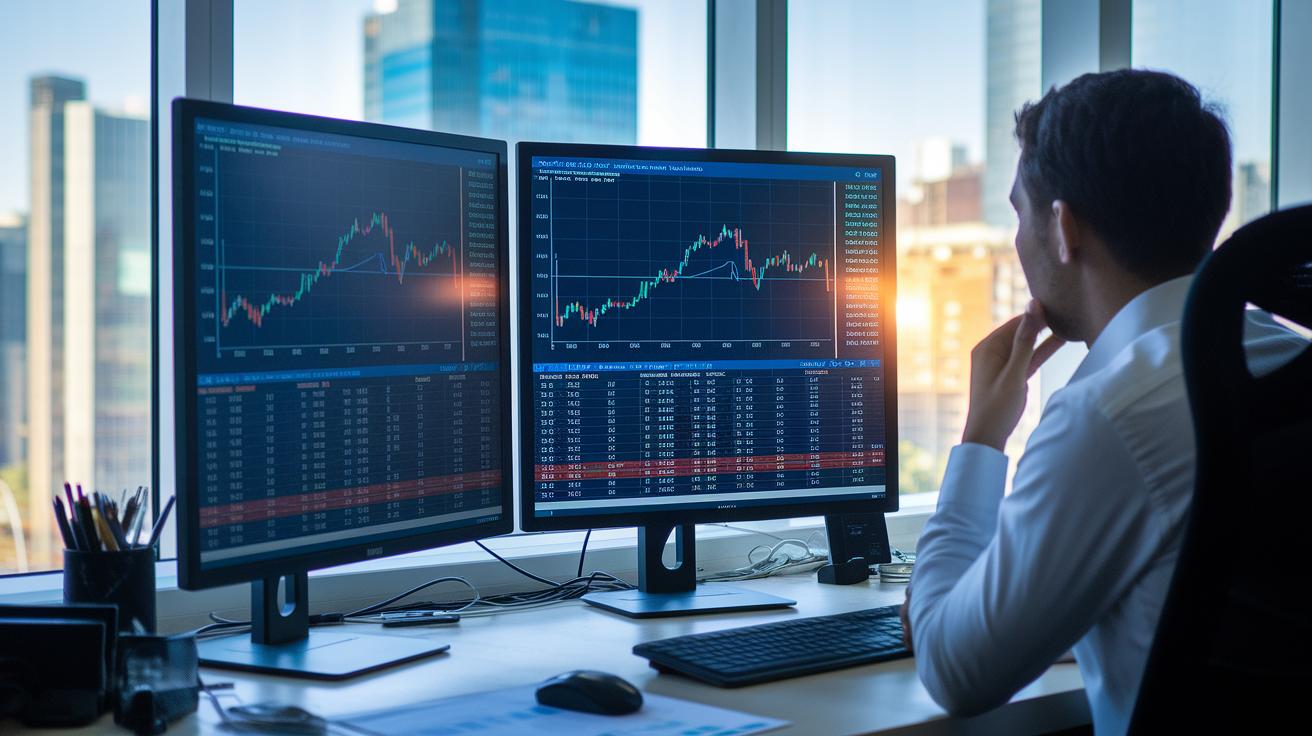
AI day trading strategies help you create a flexible plan that changes as markets change. By mixing smart computer programs with clear, simple rules, you get a system that learns from past trends and adapts right away. This approach uses custom techniques and adaptive design so your plan feels both personal and powerful.
-
Define entry and exit rules
Start by deciding exactly when to buy and sell. Clear rules keep you away from snap decisions driven by emotions. For instance, you might decide, "Buy when the price goes above the moving average." -
Choose data inputs and indicators
Pick important factors like moving averages, shifts in volume, and other key signals. These elements are the building blocks you need to develop smart indicators. -
Use algorithmic scanning filters
Set up filters that check hundreds of data points at once. This method uses basic market scanning ideas such as quantitative trading to look through old data quickly. -
Backtest and fine-tune your strategy
Test your plan on past market data and adjust the settings until the results look good. This step is all about refining your strategy bit by bit. -
Try it out in a live simulation
Run your plan in a real-time simulation to see how it handles current market movements. Watch closely and tweak the system using simple neural computing ideas to boost its performance.
Regular updates keep your strategy on top of the game. Small adjustments based on current market feedback help your plan stay strong and ready to bring in smart profit gains.
Risk Management in AI Day Trading Systems
High-speed AI trading can be really exciting, but it comes with its share of risks. When computer programs make trades in just seconds, even a tiny error can lead to big losses in no time. Imagine riding a speedy roller coaster, if something unexpected happens, you can take a sharp drop. That's why it's crucial to have tools in place that help manage risk while still letting you take advantage of fast decision making.
Here are some smart ways to keep your trading safe and balanced:
- Automated stop-loss measures to cut losses quickly
- Real-time volatility filters that adjust to market changes
- Size optimization to keep your positions balanced
- Stress-test simulations that mimic extreme market moments
- Correlation monitoring to spot linked market swings
- Dynamic leverage controls based on the latest data
Balancing aggressive strategies with solid safety measures means setting up a risk management system that stops losses before they get too big. By using these smart tools and approaches, you can enjoy the thrill of quick trades while protecting yourself from costly surprises.
Backtesting and Performance Analysis for AI Day Trading Models
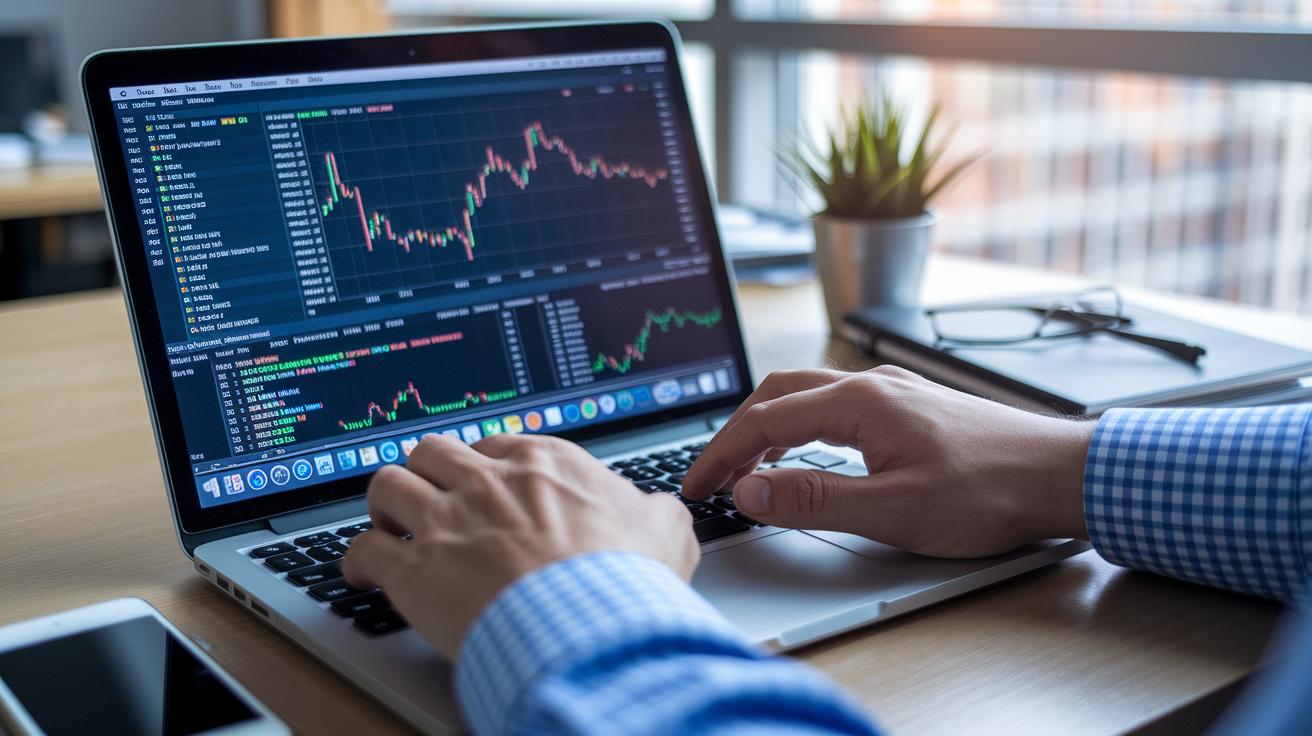
Using past market data to test AI trading models is a smart move. It lets you see how a strategy might work before you risk any real cash. By running simulations with historical data, you can spot mistakes in your algorithm and fine-tune settings for better performance. This kind of testing helps your system learn and prepares it for real-world market ups and downs.
Key metrics you should track include:
- win rate
- profit factor
- drawdown
- Sharpe ratio
- execution latency
Automated portfolio rebalancing uses these numbers to keep your mix of assets balanced. With quick adjustments, you can fix any imbalances and better handle market shifts. Advanced algorithms work behind the scenes to tweak positions, ensuring your portfolio stays on track with your trading goals.
It’s also important to compare live trading results with what you see in backtests. Making small changes based on real market behavior helps your strategy grow stronger. This regular tweaking means your model keeps learning, using both past insights and live data to chase smart profit gains. By staying flexible and responsive, your system can handle even the wildest market swings.
Final Words
In the action, the blog post paints a clear picture of how technology is changing ai day trading. It breaks down the basics of automated trading, smart techniques, platform comparisons, strategy creation, risk management, and performance review. Each section shows how embracing data and automation helps boost efficiency and support secure financial decisions. The insights make it easier to see the benefits and practicality of AI-powered trading tools. Keep exploring these strategies with optimism and confidence.
FAQ
What is TrendSpider?
TrendSpider is an AI-driven trading platform that focuses on chart analysis and backtesting. It helps traders spot trends and set up trades more efficiently.
What does AI day trading refer to on apps and tools?
AI day trading refers to using software that analyzes data and uses algorithms to execute trades intraday. It offers quick decision making and consistent order execution for traders.
What is an AI day trading bot?
An AI day trading bot uses algorithms to scan market trends and instantly execute trades. It reduces emotional decisions and boosts the speed and consistency of trading.
Can I really earn $1000 per day trading with AI?
Earning $1000 per day with AI trading is possible but challenging. Profits depend on market conditions, a solid trading strategy, and effective risk management.
Is AI trading really profitable?
AI trading can be profitable through fast data analysis and execution. Yet, profitability varies with market dynamics, strategy effectiveness, and risk management.
Can I make $100 a day trading crypto with AI?
Trading crypto with AI can generate steady returns. Still, market volatility means earning $100 a day isn’t guaranteed and relies on your strategy and risk controls.
What is the 3 5 7 rule in trading?
The 3 5 7 rule is a guideline some traders use to set indicators, time frames, and exit points. It helps balance risk while managing trades more effectively.
Are free AI trading software and bots available?
Free AI trading tools are available and offer basic features to analyze market data. Premium versions offer enhanced functionalities for those seeking advanced features.
What is an AI Forex trading bot?
An AI Forex trading bot uses machine learning to study currency market data and execute trades quickly. It aims to optimize profits through precise, emotion-free decision making.
How can beginners use AI trading?
Beginners can start with user-friendly AI platforms that offer clear analytics and trade signals. These tools help build confidence while teaching the fundamentals of market trading.