

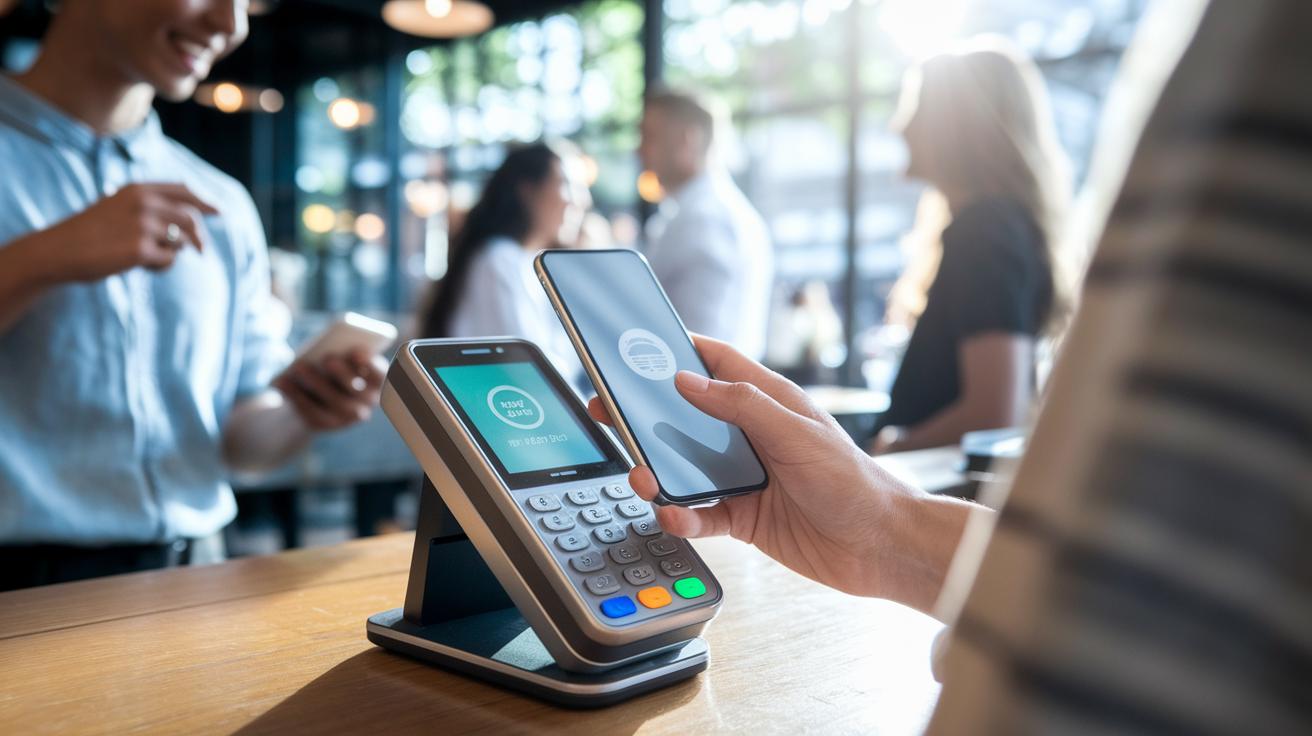

Have you ever noticed how your phone is becoming your wallet? Mobile payment services let you pay quickly and securely without needing cash or cards. They turn your phone into a handy digital cash box, ready to use wherever you go. More people are choosing this method for everyday purchases, which makes checking out smoother and safer. In this article, we break down how mobile payments work and why they are changing the way you manage your money each day.
Mobile Payments Services: Enjoy Smart Payment Options
Mobile payment services let you use your smartphone or wearable device to pay, instead of carrying cash or cards. This method is popular around the globe, especially with younger folks, because it’s fast and safe. It’s like having a digital wallet in your pocket that works anytime, anywhere.
These services use NFC (Near Field Communication, which is a short-range way to transfer data) and QR codes to complete transactions quickly and securely. For example, when you tap your phone at a store, NFC sends secure, scrambled payment details, keeping your information private. Likewise, scanning a QR code lets you pay in just a few taps, making your in-store shopping experience fast and hassle-free.
- Mobile wallets
- Peer-to-peer apps
- Mobile e-commerce (m-commerce)
- Mobile point-of-sale (mPOS)
- SMS and carrier billing
Both businesses and consumers are choosing these smart payment options because they make buying simple. Companies cut costs by using less cash and card systems, while customers enjoy fewer steps at checkout with extra security and privacy. This modern method not only makes paying easier, it also keeps transactions smooth when you’re on the go.
Comparing Top Digital Wallet Platforms and Smartphone Transaction Apps
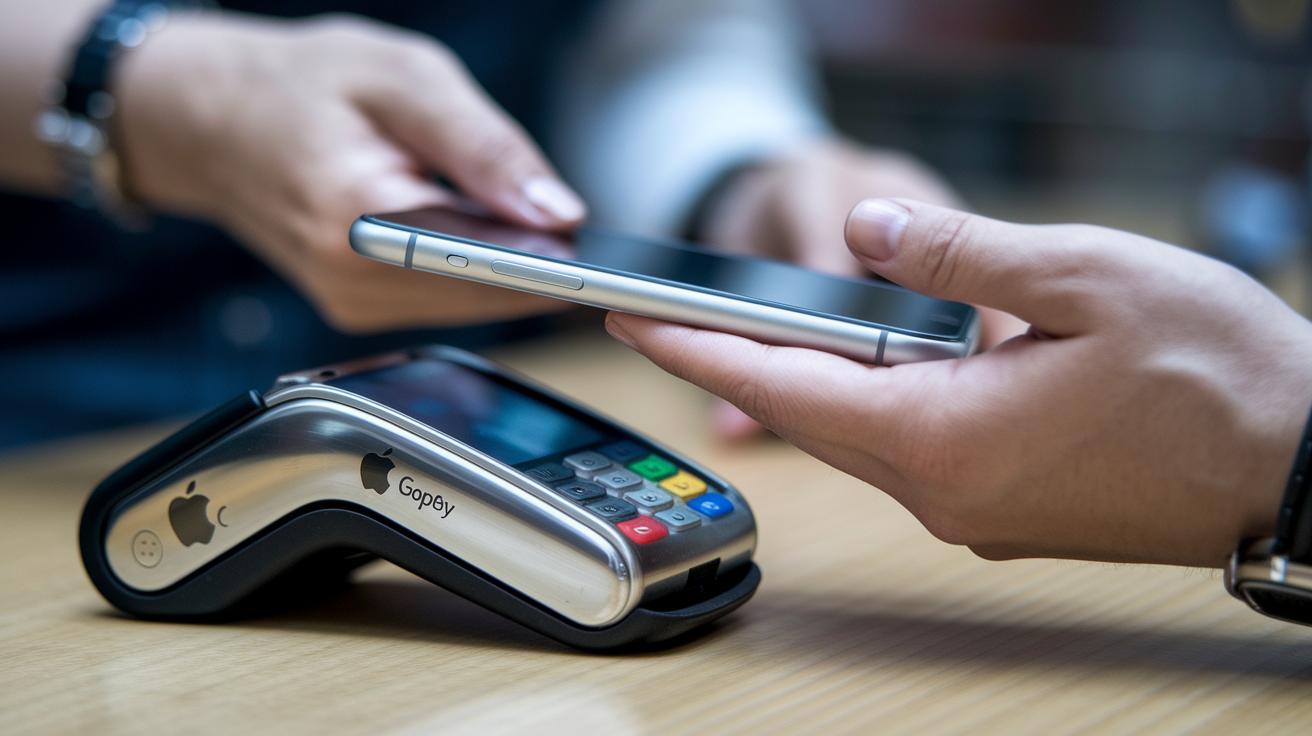
Digital wallet platforms and smartphone payment apps let you pay quickly and securely right from your phone. Big names like Apple Pay, Google Pay, Samsung Pay, PayPal, and Venmo each bring their own set of features to fit different needs. For example, Apple Pay and Google Pay use NFC (a simple way to send data over a short range without wires) so you can tap your phone to pay in stores or catch transit passes. Meanwhile, Samsung Pay mixes NFC with a method called magnetic secure transmission (MST) to work at more traditional payment spots, giving you extra flexibility. And then there’s PayPal and Venmo, which focus on online transactions and person-to-person transfers, adding strong buyer protection and fun social features for splitting bills among friends.
| Provider | Technology | Coverage | Fees |
|---|---|---|---|
| Apple Pay | NFC | 90+ countries | 0.15%–0.25% |
| Google Pay | NFC, QR | 79 countries | 0.5% per txn |
| Samsung Pay | NFC, MST | 20+ countries | 0.3%–0.5% |
| PayPal | Online/API | 200+ markets | 2.9% + $0.30 |
| Venmo | Online/P2P | US only | 1% for instant |
If you’re all-in on iOS, Apple Pay is a smooth choice with its simple tap-to-pay method. Google Pay works well for many users around the world by combining NFC and QR codes. Samsung Pay stands out if you want to pay anywhere, thanks to its MST feature that lets you use older payment machines. And if you’re shopping online or sending money to someone quickly, PayPal offers a trusted global solution while Venmo makes everyday money transfers among friends feel social and easy.
Ensuring Secure Digital Transactions in Mobile Payments Services
Mobile payments use smart security tools to keep your payment information safe. They replace your real card numbers with unique digital codes, so your actual details never show up on your phone. It’s like using a secret language that keeps hackers out. With mobile wallets, your raw card data never sits on your device, which means there's much less risk of theft. For instance, when you tap to pay, your phone sends a one-time code instead of your real card number.
On top of that, these systems use your fingerprint or face to verify that it's really you making a transaction. This extra check makes sure that only you can approve any purchase, even if your phone goes missing. It’s a simple way to stay secure, giving you peace of mind.
Plus, there’s a system in place that watches every transaction in real time, ready to flag anything unusual right away.
Analyzing Transaction Fee Structures and Costs in Mobile Payment Services
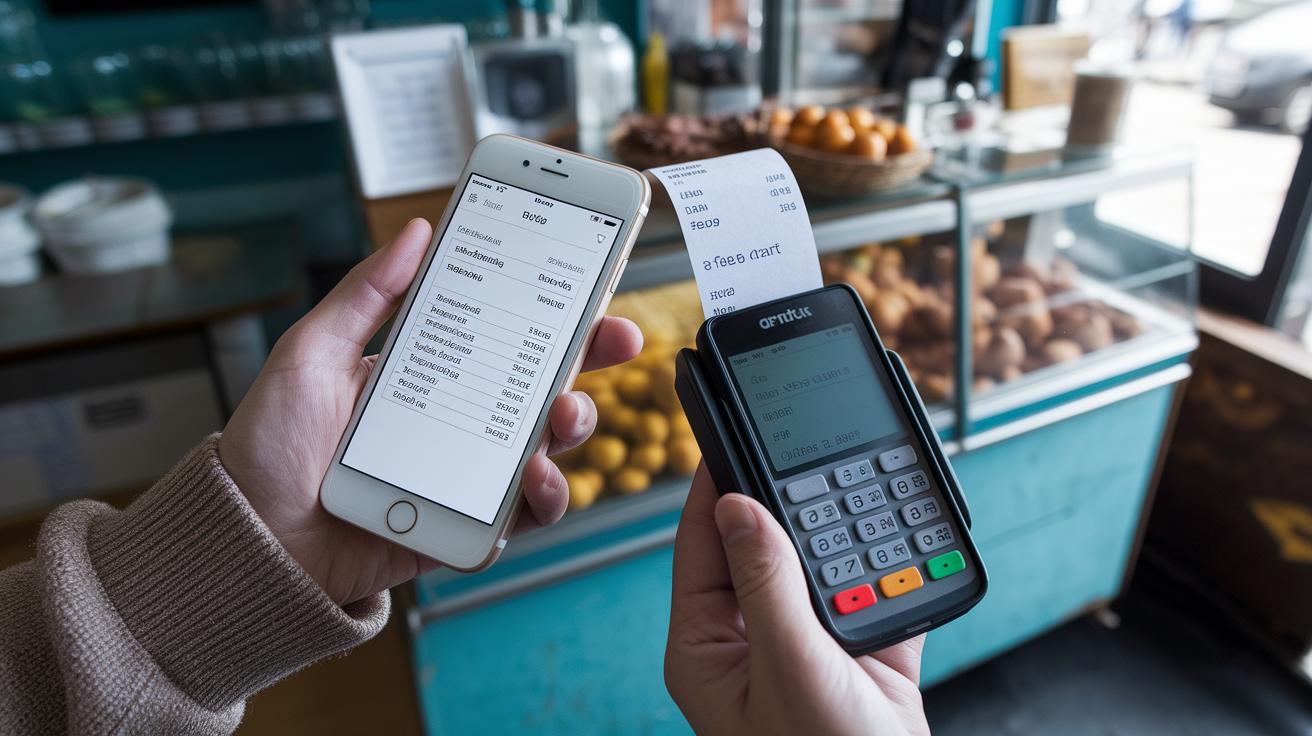
When you use mobile payment services, you often see fees of 1.5% to 3% for credit card transactions, while debit transactions come with a simple flat fee. This means that for every sale you make, a small cost is taken out, so it's important to plan for these fees.
Besides these percentage-based fees, some providers may add extra costs like monthly charges or rental fees for card readers. For example, if you use a mobile reader to accept payments, you might have to pay a steady monthly fee for the technology behind wireless transactions. Bundled service packages and lower interchange rates (the fee paid to process the payment) can help reduce the overall expense, making these modern solutions a strong alternative to traditional payment systems.
These days, mobile payment methods can save businesses money compared to older payment terminals. Lower processing fees and flexible monthly plans mean merchants can cut costs while still offering a fast, smooth checkout that customers really appreciate.
Integrating Mobile Payments Services into Business and E-commerce Platforms
Mobile point-of-sale devices let businesses take payments almost anywhere. They work by connecting to a smartphone via Bluetooth or a headphone jack, so even little pop-up shops can process transactions without needing heavy, stationary systems. This setup makes in-person sales a breeze, letting shop owners serve customers quickly wherever they are.
Online stores boost their checkout process by adding payment tools, like SDKs or plugins, to platforms such as Shopify and WooCommerce. This means merchants can let customers pay with digital wallets with just one tap. And with built-in finance solutions, money flows easily, making the whole payment process smoother.
Plus, using invoice generators and budgeting tools to sync transactions with accounting software cuts down on manual work. This smart integration automates the back office, helping merchants keep a close eye on expenses and revenue with great accuracy and ease.
Exploring Peer-to-Peer Transfer Tools and International Remittance Technology

Domestic peer-to-peer tools have completely changed the way we send money to friends and family. Apps such as Venmo, PayPal, and Zelle let you send funds directly from your linked bank account or card. With just a few taps, you can split a dinner bill or quickly repay a friend. These apps are designed to be easy to use, showing you clear records of every transaction so that everyday money exchanges are both smooth and secure. They’re especially handy for anyone who wants to transfer cash fast, without the usual delays of traditional banks.
When it comes to sending money across borders, international remittance technology works in a similar way. These services rely on smart currency engines and strong compliance checks to automatically handle currency exchanges. You can send money overseas at good rates and pay lower fees compared to old-school services. Plus, they show you clear exchange rates and manage all the necessary rules, so you can feel confident that your international transfers are both reliable and efficient.
Emerging Trends and Innovations in Mobile Payments Services
Contactless biometric payments and voice-activated transactions are opening new doors in how we pay for things. Instead of typing a PIN, you simply let your fingerprint or face confirm the payment. Imagine saying "Pay now!" and watching the transaction go through almost instantly.
At the same time, experts are exploring blockchain-based systems that create digital ledgers. These ledgers store records in a safe, decentralized way using special digital tokens instead of traditional money details. In other words, this technology could lead to faster and more reliable payments between people.
Smart technology is also on the rise to spot any unusual activity. AI-powered fraud detection and machine learning check every payment in real time, just like a watchful security guard noticing a stranger. And where NFC (a way to pay by tapping your device) isn’t common, QR-code wallets let you pay simply by scanning a printed code, keeping the process quick and easy.
Final Words
In the action, this post covered the essence of mobile payments services, from everyday smartphone transactions to the robust security measures keeping payments safe. It recalled how NFC, QR codes, and digital wallets power secure trades and cutting-edge innovations. We saw how businesses integrate these tools to boost online and in-person sales while embracing streamlined fee structures and peer-to-peer transfers. Exciting trends like biometric methods and blockchain innovations offer bright prospects for smart, secure financial choices. Keep moving forward with confidence in these evolving solutions.
FAQ
How can I get the phone number for a mobile payments service?
The mobile payments service phone number information depends on the provider. You should visit the official website of each service to find contact details and customer support numbers.
What are examples of mobile payments services?
The mobile payments service examples include Google Pay, Apple Pay, Samsung Pay, PayPal, and Venmo. They allow users to make quick and secure payments using their smartphones.
What is considered the best mobile payment service?
The best mobile payment service varies by user needs. Top choices like Apple Pay and Google Pay offer ease-of-use, strong security measures, and widespread acceptance across many retailers.
What is Google Pay?
The Google Pay mobile payment service enables users to store cards and make contactless payments using NFC and QR code technologies, making transactions swift and secure in many countries.
What are the three main types of mobile payments?
The three types of mobile payments include mobile wallets for storing cards, peer-to-peer apps for direct transfers, and mobile point-of-sale systems for in-person payments using smartphones.
What is the cheapest way to accept card payments?
The cheapest way to accept card payments often involves using mobile payment apps with low transaction fees, which are designed to offer competitive rates for small business transactions.