


Ever thought about checking your bank like you check your email? Digital banking is changing how we handle money. With a few taps on your smartphone, you can transfer funds, pay bills, and manage loans just like you’re sending a quick message.
Imagine having a mini helper that’s always on duty. It guides you through setting up a budget and even gives rewards for your everyday purchases. In this post, we explore how technology is making banking smarter, faster, and more accessible, all while giving you more control over your finances.
Core Digital Banking Services Overview
Digital banking makes handling your money super simple, just a few taps on your smartphone, and you’re set. You can move money, pay bills, check your statements, deposit checks, and even look after your loans, all through easy-to-use web and mobile apps. It’s like checking your email: log in, see your balance, and make payments whenever you need to. Imagine opening an account in minutes and having a full suite of financial tools available 24/7.
At its heart, digital banking offers basic products like savings accounts that help your money grow with interest and current accounts that let you do regular business transactions without extra fees once you hit certain limits. Beyond these, you get smart features such as bill-payment reminders, personalized budgeting tools, and even rewards on small purchases. It’s almost like carrying a mini financial assistant with you all day, helping you make smart money moves.
Here are some key features:
- Real-time fund transfers (using methods like NEFT, IMPS, and RTGS)
- Mobile-based check deposits
- Automated bill payments
- Integrated digital wallets, such as mobile payment services
- Contactless payments through NFC and QR codes
- Real-time monitoring of your account
Getting started with digital banking is really quick too. You can set up your account in just a few minutes and start managing your money anytime, anywhere, without the delays of traditional branches.
Comparing Digital Banking Services with Traditional Bank Offerings
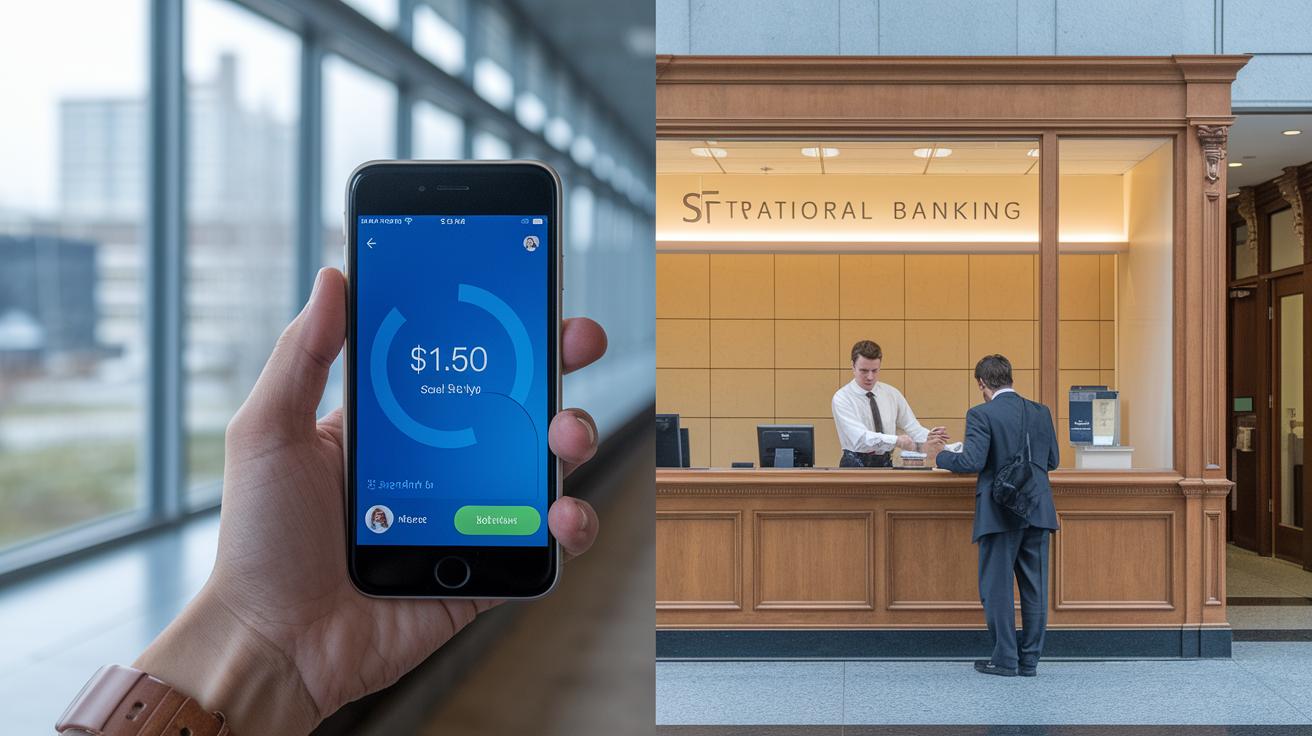
Digital banks work entirely online, which means you complete every transaction through a mobile app or website. This setup makes banking fast and easy, you can manage your money anytime, anywhere. On the other hand, traditional banks mix online tools with physical branches. That way, you can visit a branch for face-to-face help when needed while still enjoying online services.
Because digital banks don’t have physical branches, they cut back on many costs. These savings can show up as higher interest rates on your savings or lower fees on your transactions. Traditional banks, with their older systems and branch networks, often face higher expenses. Even though they’ve updated their online services, those extra costs sometimes mean fewer benefits for you.
Both digital and traditional banks focus on making your experience secure and convenient. Digital banks offer easy-to-use interfaces with built-in security checks like KYC (know your customer) and AML (anti-money laundering), which help keep your account safe. Meanwhile, traditional banks continue to provide personal service in branches while also adding modern tech to enhance your online experience. In either case, you get the assurance of FDIC insurance and the protection of U.S. government regulations, so your money is always safe.
Security Protocols and Authentication in Digital Banking Services
Digital banking works by using strong encryption and secure login rules to protect your money. They never call, email, or text you asking for your personal login details. Instead, every transaction is locked up with advanced protection. Think of it like having a high-tech vault behind your online account that guards your information every step of the way.
Extra steps like multi-factor checks and biometric methods add another layer of security. Two-factor authentication means you'd need to verify your identity twice to prove it’s really you. Techniques such as fingerprint or facial scans further strengthen the defense. Fun fact: a simple fingerprint scan can sometimes be the key difference between safe access and potential fraud! All these measures join forces to keep unauthorized users out.
Smart fraud detection uses artificial intelligence that learns and adapts as you bank. This system carefully watches each transaction to spot any unusual patterns. Experts believe these tools could cut fraud risks by as much as 50% by 2025. In addition, built-in checks work with customer identification and anti-money laundering rules to keep your money protected around the clock.
Rules and government standards are essential for maintaining trust. FDIC insurance and strict industry guidelines work together to protect your deposits. This means that even in the digital world, your money is safeguarded with the same strong security as in a traditional bank.
Innovations Driving Digital Banking Services Forward

AI and Automation
Banks are giving digital banking a makeover with AI tools and automation. These smart chatbots answer common questions and handle routine tasks behind the scenes, which can lower operating costs by around 70%. They also scan transactions in real time to spot any odd behavior that might signal fraud. It’s a system that really clicks with younger customers who love instant support. Plus, automated alerts and security updates help customers feel safe and in control of their money.
Blockchain and Cryptocurrency
Blockchain is like a digital ledger that keeps records safe and clear. Many banks now use this technology to securely record and verify each transaction. With crypto on the rise, digital banks have added crypto trading to their services. This means every trade is logged in a way that’s hard to tamper with, boosting both security and transparency. Some banks have even introduced voice-activated transactions, letting you check your account or trade without lifting a finger. It’s a fresh move that not only keeps your assets safer but also helps build trust.
Virtual Advisory and Automated Loans
Digital tools like robo-advisors and smart investment apps are giving people real-time market advice. These innovations offer recommendations for building balanced investment portfolios and help manage loans with a few simple prompts, sometimes even through voice commands. This means you get personalized, automated advice on a device you’re already using. The loan process has also become faster, with automated systems cutting down on paperwork and speeding up approvals. Banks are teaming up with fintech companies to roll out these features, making financial advice easier and more accessible than ever before.
Market Trends and Forecasts for Digital Banking Services
Digital banking is growing fast. There are about 1.75 billion accounts that handle around US$1.4 trillion each year. That means banks process roughly US$2.7 million in transactions every minute. Research shows steady growth, predicting that net interest income will hit US$1.61 trillion in 2025 and then rise to US$2.09 trillion by 2029 at a rate of 6.8% per year. This boost comes from more people choosing digital services, especially millennials and Gen Z, while banks reduce their operating costs.
Regional trends also matter a lot. For example, in China, digital finance is catching on quickly and is expected to contribute US$528.8 billion in 2025. People are moving from traditional banks to online platforms and cloud tools that make banking faster and more efficient.
The rise in digital banking is driven by customers who want access to their money anytime and anywhere. At the same time, banks are excited by the savings from digital strategies, which can lower operating costs by up to 70%. These changes are making banking more scalable and streamlining how services are delivered.
| Year | Net Interest Income (US$T) | Digital Accounts (Billion) |
|---|---|---|
| 2025 | 1.61 | 1.75 |
| 2027 | 1.85 | 2.00 |
| 2029 | 2.09 | 2.30 |
Overcoming Limitations and Ensuring Reliable Digital Banking Services

Sometimes, digital banking can feel a bit shaky. You might see brief blackouts, app glitches, or run into issues if you’re not super comfortable with technology. When an app stalls or goes offline, it can stop a transaction in its tracks. That’s why keeping digital banking systems strong and easy to use is so important for both banks and us.
To help with these hiccups, many banks offer support around the clock. You can chat with someone any time of day, use self-service kiosks when you need a face-to-face option, or quickly deposit checks using remote deposit tools. And with fast mobile verifications, getting started with digital banking is a breeze.
Banks are always working behind the scenes to make services more reliable. They use cloud-based tools that watch out for problems and keep things running smoothly. These modern systems help banks fix issues fast, so even if minor glitches come up, the service stays on track. This smart, tech-driven strategy builds trust and makes our online banking experience stronger every day.
Final Words
In the action, we reviewed how digital banking services let users perform real-time fund transfers, manage accounts on mobile apps, and enjoy streamlined e-payments. We compared digital approaches with traditional banks, discussed multi-layer security measures, and touched on emerging technologies like AI and blockchain. We also looked at market growth and the importance of overcoming service limitations through smart support solutions.
This quick recap shows how digital banking services empower investors to secure a brighter financial outlook. Enjoy the progress ahead!
FAQ
Frequently Asked Questions
What are examples of digital banking services?
Digital banking services include real-time fund transfers, mobile check deposits, automated bill payments, and integrated digital wallets that let you manage accounts, pay bills, and view statements through secure apps and online platforms.
What is the difference between digital banking and online banking?
Digital banking covers a full range of mobile and web services with advanced tools, while online banking focuses on basic account checks and transactions, offering a simpler service through the internet.
What does a digital banking PDF provide?
A digital banking PDF offers an overview of digital banking products and features, detailing services like mobile money, online account management, and e-payment innovations in a straightforward, easy-to-read format.
What is a digital banking app?
A digital banking app gives you secure access to manage loans, deposit checks, pay bills, and monitor accounts anywhere, anytime using your mobile device, with features for quick and simple transactions.
Is digital banking safe?
Digital banking is safe because it uses strong encryption, multi-factor authentication, and regulatory checks to protect your account, backed by FDIC insurance and secure login practices.
What are the advantages and disadvantages of digital banking?
Digital banking offers quick transactions, 24/7 access, and modern financial tools. However, it sometimes faces connectivity issues and requires a certain level of tech know-how for smooth use.
What are the five types of digital banking?
The five types of digital banking can include digital-only banks, online banks with limited physical presence, mobile money platforms, hybrid banks with both digital and branch services, and fintech-driven banking services.
Which digital banking service is the best?
The best service depends on your personal needs, so compare features like fees, ease of use, and account management options to find a digital bank that fits your lifestyle perfectly.