


Have you ever thought about whether your crypto is truly safe? Keeping your digital money online can make it a target for scams or hacks. A hardware wallet offers a secure alternative, imagine it like putting your cash in a locked box instead of leaving it in your pocket.
These handy devices work much like offline safes. They keep your private keys safe from online threats, which in turn protects your investments. It might be the smart, solid choice for anyone serious about securing their digital assets.
Understanding Crypto Hardware Wallets
A crypto hardware wallet is a small, physical device that keeps your crypto private keys safe by storing them offline. This method of storage helps protect your important data from hackers and harmful software. Think of it like a secure safe where you keep your valuable belongings, safe even if your computer gets compromised.
Unlike hot wallets that need an internet connection to work, hardware wallets provide a much stronger level of security. Hot wallets keep your keys online, which can leave them open to attacks. In contrast, hardware wallets keep your private keys separate from online systems, making them less vulnerable. Sure, they can be a bit more expensive and, if something goes wrong like loss or damage, getting back your assets might be trickier. It’s kind of like choosing between storing your cash in a secure vault versus carrying it in your pocket.
Experts look at more than 15 different aspects when they rate these devices. They check how secure the wallet is, which digital coins it supports, how easy it is to use, and how well it works with other platforms. They also consider how smoothly the wallet moves funds from online storage to offline protection and how you can get your money back if there’s a problem. By keeping these points in mind, you can choose a hardware wallet that matches your security needs and investment style.
How Crypto Hardware Wallets Protect Your Assets

Crypto hardware wallets keep your private keys safe by storing them in a secure chip, much like a vault inside another vault. When you sign a transaction, the wallet does it offline so your keys never touch the internet. This offline process acts like writing a check in a locked room instead of in a busy park, keeping your digital money away from online dangers.
The design of these wallets adds more protection too. They come in sturdy, tamper-proof cases that make it hard for anyone to break in. You can also set up a PIN code or passphrase to add an extra layer of safety. Plus, the wallet regularly checks its own software to make sure everything is untouched and secure. All of this work together gives you a strong shield against cyber threats.
Key Feature Comparison of Crypto Hardware Wallets
When picking a crypto hardware wallet, it's a great idea to look at what each one offers. Each wallet comes with its own set of features, from the kind of assets it supports and the ways it connects, to details about its screen, seed recovery process, and how updates work. Checking these points helps you choose a wallet that fits both your style and your need for safety.
| Wallet | Asset Support | Connectivity | Price (USD) |
|---|---|---|---|
| Ledger Nano X | 5,500+ | Bluetooth, USB-C | 149 |
| Ledger Nano S | 5,500+ | USB-C | 59 |
| Trezor Model T | 9,000+ | USB-C | 169 |
Look a bit closer, and you'll see some key differences. For example, Ledger wallets support a slightly lower number of assets, but they let you connect your device with both Bluetooth and USB-C. On the flip side, the Trezor Model T holds a wider array of assets, which is nice if you manage a diverse portfolio. Plus, factors like how long the recovery seed is and how easy it is to update the firmware add extra layers of protection. By weighing these details, you can find a wallet that not only keeps your digital money safe but also fits with your everyday use.
Reviewing Ledger and Trezor Crypto Hardware Wallets
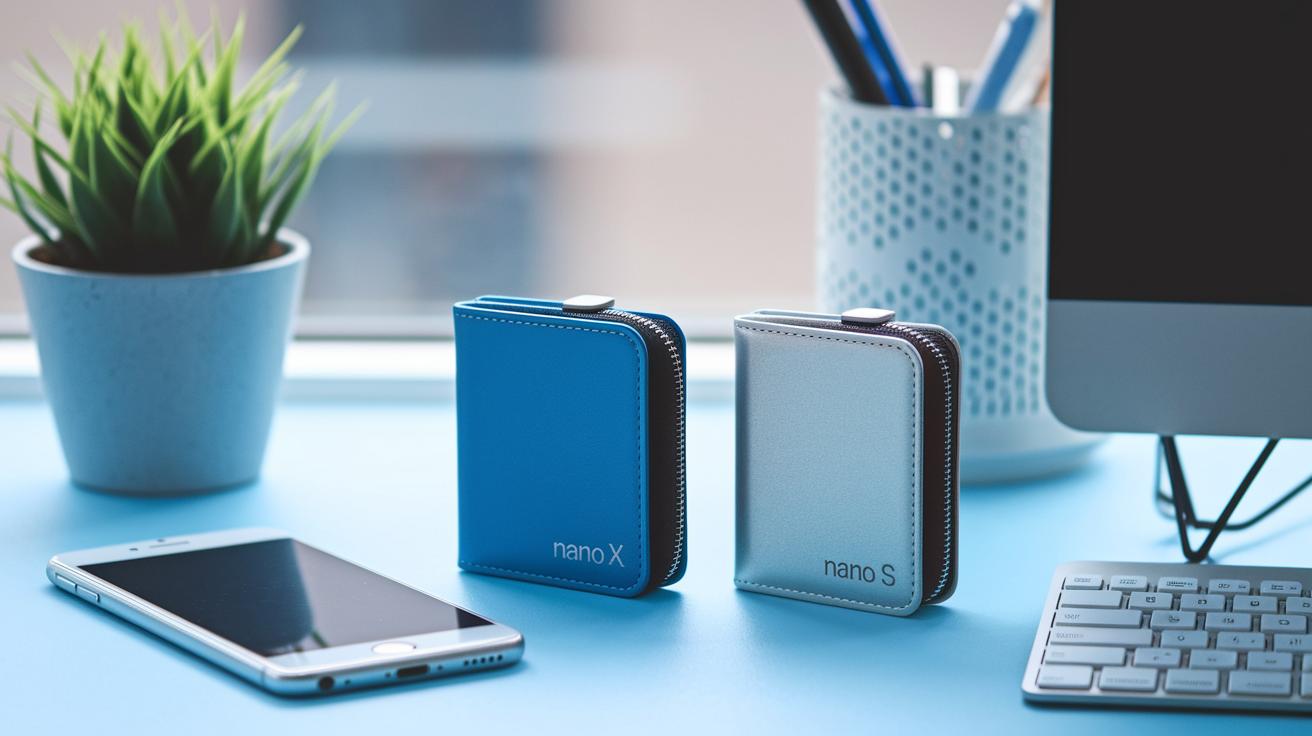
Ledger’s Nano X and Nano S wallets meet different needs in handy ways. Nano X uses wireless Bluetooth and is built with mobile use in mind, making it a great choice if you’re often on the go. On the other hand, Nano S connects via USB, offering a simple and cost-friendly option. In everyday use, these differences in connectivity and handling can really affect how satisfied you feel with your wallet.
Here are some key points to consider:
- Connectivity: Nano X comes with Bluetooth, so you can manage your digital assets away from your desk. Trezor, however, sticks with a wired USB-C connection, keeping things straightforward.
- User Interface: Ledger devices use physical buttons and a basic screen, while Trezor adds an interactive color touchscreen. Think about how a button press feels compared to a swipe when you’re making quick decisions.
- Asset Support: Ledger secures over 5,500 assets, and Trezor supports more than 9,000. This means Trezor might give you more variety if your portfolio includes lots of different currencies.
- Price: Nano X is offered at a lower price point than the Trezor Model T, which can be a big plus if you’re keeping an eye on costs.
- Firmware Model: Ledger uses a closed system that is regularly checked by experts, whereas Trezor offers open-source firmware, letting you see what’s inside. Some users really appreciate that extra level of transparency.
Both Ledger and Trezor have strong reputations for keeping your digital money safe. If you value audit-checked reliability, Ledger might be your pick, while Trezor stands out if you want full access to your device's inner workings.
Crypto hardware wallet: Secure Your Digital Assets
If you're looking to keep your digital money safe, this guide is just for you. We break down some trusted wallet choices so you can protect your crypto with ease. You need to look at security, which coins the wallet supports, how it connects, how much it costs, and how you can get your funds back if needed. Below is a look at four great wallets that fit different needs.
| Wallet | Best For | Price | Key Feature |
|---|---|---|---|
| Ledger Nano X | Balanced use | 149 USD | Bluetooth connectivity |
| Trezor Model T | Power users | 169 USD | Touchscreen and transparency |
| SafePal S1 | Security focus | Below 100 USD | Robust offline backup |
| BitBox02 | Tech enthusiasts | Approx 120 USD | User-friendly interface |
When picking a wallet, think about how you use your crypto and what fits your budget. For example, if you want something simple yet secure, the Ledger Nano X is a great bet because it mixes easy access with solid security. On the other hand, if you need more advanced features and a clear design, the Trezor Model T could be better for you. And if you’re watching your spending while still needing good security, SafePal S1 or BitBox02 are both smart options. Also, check how each wallet manages recovery, it's key to being able to get your funds back easily. Look at the supported coins, how the wallet connects, and its overall design to ensure your money stays safe without any fuss.
Setup, Backup, and Recovery for Crypto Hardware Wallets

First, turn on your hardware wallet and follow the simple steps shown on its screen. It will create a unique 24-word recovery seed for you. This seed is like a secret password that gives you access to your digital funds. Write it down on paper and keep it somewhere safe where you won’t leave it exposed online. Think of it like writing down your safe’s combination, without it, you won’t be able to recover your assets if anything goes wrong.
Backing up your recovery seed is as important as the initial setup. Experts say you should make a few paper copies and store them in secure places that only you can access. If you ever need to recover your wallet, you just enter the 24-word seed into a new device, and your funds will be there waiting for you. Plus, signing transactions offline adds an extra layer of security by keeping your private keys safely locked inside your wallet throughout every operation.
Security Best Practices for Crypto Hardware Wallet Use
Always buy your crypto hardware wallet straight from the manufacturer. This way, you know it’s the real deal. Before you open the box, check for tamper-proof seals and any signs that someone may have messed with it. When you get your wallet, take a moment to look closely at the holograms and product details. Imagine unsealing a wallet with a perfect, untouched seal – it feels pretty reassuring, doesn’t it?
After you set up your wallet, keep it safe with some simple habits. Use a strong PIN and, if you can, add a passphrase for an extra layer of security. Update the firmware as soon as new fixes are available to block out any threats. Also, write down your recovery seed phrases on paper and keep them offline, just like you’d guard a secret recipe. Following these steps makes sure every transaction, from sending coins to recovering your account, stays secure and reliable.
Future Trends in Crypto Hardware Wallet Technology

Exciting new updates are coming soon. Device makers are adding features like fingerprint scans and face recognition so only you can open your wallet. They’re also developing new types of wallets that use ideas like sharing secret parts of your keys between different people and even post-quantum encryption (a way to guard against really advanced computer threats in the future). Plus, features like NFC and Web3 integration, along with simple pairing with your smartphone, mean managing your digital money could soon be even easier and safer.
Market trends are also shaping these changes. More banks, companies, and regular folks are asking for better security to protect their digital cash. The push to work smoothly with decentralized finance tools is spurring fresh ideas, as people want wallets that easily connect with new platforms. This growing demand is fueling improvements and making next-generation crypto hardware more available for everyone.
Final Words
In the action, the guide broke down how a crypto hardware wallet keeps private keys secure offline while comparing it with other wallet types. It touched on the benefits and trade-offs, shared keys for evaluating features, and offered practical setup and backup tips. It also outlined current best practices and emerging trends to help you stay ahead in financial security.
Stay confident in securing your assets with a crypto hardware wallet.
FAQ
Which hardware wallet is best for cryptocurrency?
The crypto hardware wallet that best suits cryptocurrency security depends on your needs. Ledger Nano X and Trezor Model T provide advanced features, while budget options like Ledger Nano S offer simple, robust offline protection.
Are crypto hardware wallets worth it?
The crypto hardware wallet is worth it if you value offline security. They securely store your private keys away from online threats, offering strong protection and reducing risks compared to wallets connected to the internet.
Can I lose crypto on a hardware wallet?
The crypto hardware wallet can lead to asset loss if the device is damaged, lost, or if you mishandle your recovery seed. Safeguarding your backup seed phrase and following security tips reduces this risk.
What is the safest cold storage crypto wallet?
The crypto hardware wallet known for safe cold storage keeps private keys offline and uses encryption alongside secure elements, PINs, and tamper-evident designs. Models like Ledger Nano X and Trezor Model T excel at keeping digital assets secure.
What does a crypto hardware wallet app do?
The crypto hardware wallet app provides a user-friendly way to manage your offline wallet. It allows you to view balances and sign transactions securely, making it easier to interact with your hardware device.
How do Ledger and Trezor wallets differ?
The crypto hardware wallet differences between Ledger and Trezor include connectivity options, user interface design, supported assets, and firmware architecture. Ledger emphasizes proprietary security features, while Trezor values open-source transparency.
Is there a free crypto hardware wallet option?
The crypto hardware wallet free options are rare since most devices require an upfront purchase. While some related apps offer wallet management for free, premium hardware with advanced security features typically comes at a cost.
What about crypto hardware wallet prices?
The crypto hardware wallet price varies with features and build quality. Basic models start around $59, while premium devices like Ledger Nano X or Trezor Model T range between $149 and $169, reflecting higher security and functionality.
How does the Ledger Nano X protect my assets?
The crypto hardware wallet Ledger Nano X safeguards your assets by encrypting private keys in a secure element and handling transactions offline. Its Bluetooth pairing and mobile app integration add convenience alongside robust security.