



Ever wonder why tax changes and government spending seem to come up just when you need a boost? Fiscal policy is how our government uses tools like taxes and spending to keep our economy moving along.
In this article, we’ll explain what fiscal policy means and how it affects everyday life, from paying for schools and hospitals to helping create more jobs. Stick with us as we take a closer look at this balancing act that touches every community and wallet.
Understanding the Definition of Fiscal Policy
Fiscal policy is pretty much a set of tools the government uses to steer the economy. It covers spending on things like schools, hospitals, and roads, plus tax rules that bring in money. They use these methods to fund key programs for everyone, and sometimes they borrow funds when necessary. For instance, if the economy is slowing down, a tax cut might give families extra cash to spend, which can help lift the whole economy.
The main goal here is to keep things stable. Policy makers adjust spending and taxes during a set time frame, not always the same as the calendar year, to spark growth, keep jobs steady, and smooth out market ups and downs. Sometimes, they boost spending and cut taxes during tough times, while other times, they pull back spending or hike taxes when things get too heated. This balancing act matters not just for national accounts and credit ratings but also for everyday living by meeting immediate needs and planning for the long term.
Core Components of Fiscal Policy: Government Spending and Taxation

Governments use two main tools, spending and taxes, to run the economy. Spending pays for projects like building roads, schools, and hospitals, while taxes bring in the money needed to fund these projects. This mix is important because it keeps communities running and supports services that everyone relies on.
For example, imagine a small town that lowers its taxes to pay for a brand-new public school. That decision can directly improve the local education system. It’s a lot like balancing a household budget, where you make sure every dollar is put to good use.
- Infrastructure development and maintenance
- Education funding and programs
- Healthcare services and hospital funding
- National defense and security needs
- Social security benefits and transfer payments
- Public safety and law enforcement
Governments also plan their spending by collecting revenues over a set fiscal period, a time frame that might not match the regular calendar year. They sometimes use progressive tax rates, where people with higher incomes pay more, or choose a flat rate, where everyone pays the same percentage. This is similar to organizing your monthly expenses: you cover your needs first and then plan for the extras.
By carefully managing both spending and taxes, governments work to keep the economy stable and build trust among citizens. Every tax dollar and public service investment plays a part in keeping our communities strong and helping the economy grow over time.
Primary Objectives of Fiscal Policy in Economic Management
Today’s fiscal policy does more than smooth out economic ups and downs. It works together with other strategies and learns from past government actions to tackle modern challenges. For instance, after the 2008 downturn, governments boosted spending on things like roads and bridges, not just to create jobs, but to build a stronger economy for the long term.
| Objective | Description |
|---|---|
| Economic Stability | The government mixes spending and tax rules with interest rate decisions to help the market absorb shocks. These techniques have evolved from decades of economic trials. |
| Employment Support | By adjusting tax policies and public spending, authorities help create and protect jobs, often learning from what worked or didn’t in past recessions. |
| Growth Stimulation | This goal is all about sparking private investment and new ideas by building on earlier fiscal actions that helped modern industries take off. |
Lawmakers use past lessons and current policies to balance trade-offs. They carefully check how spending and tax decisions work with other rules, always weighing extra debt against the benefit of a growing economy.
Expansionary and Contractionary Fiscal Policy Defined

Expansionary fiscal policy, sometimes known as loose fiscal policy, is all about boosting spending in the economy. When there’s a recession and people and businesses aren’t spending enough, the government steps in by either spending more on projects like roads and bridges or by cutting taxes. This extra money puts cash in the hands of households and businesses, which can help create jobs and lift overall economic activity. Policymakers track key data points to see if this method is working. However, if the timing is off, this approach might lead to higher public debt or even push inflation up.
On the flip side, contractionary fiscal policy, often called tight fiscal policy, is used to slow things down when the economy heats up too much. In this case, the government might reduce spending or hike taxes to cool off demand. This helps keep inflation in check but can sometimes slow growth too much if done too quickly. People argue that fine tuning this kind of policy is tricky because the economic data might not always be up-to-date with current needs. Both strategies try hard to strike a balance between boosting growth when needed and keeping potential problems like uncontrolled debt or inflation at bay.
Discretionary Measures Versus Automatic Stabilizers in Fiscal Governance
Discretionary measures are steps the government takes when extra actions, like increased spending or tax cuts, are needed. Lawmakers must give the green light before any funds are used or tax rules are changed. They use these measures when the economy needs a boost or extra support during a rough patch. It’s a way for decision makers to zero in on specific problems using the latest economic details.
Automatic stabilizers, on the other hand, work all by themselves. Think of them as a built-in safety net. Programs such as unemployment insurance and tax systems that adjust as incomes change kick in without any extra legal steps. When the economy takes a dip, these stabilizers automatically increase benefits and reduce tax collections, which helps ease the slowdown. And when times are good, they help pull in more revenue, keeping our finances on track.
Both approaches are essential for managing the country’s money. Discretionary measures give leaders targeted tools to address urgent issues, while automatic stabilizers provide a steady cushion that softens economic ups and downs. Together, they help create a balanced system that keeps our economy running smoothly and budgets sound.
Coordination Dynamics Between Fiscal and Monetary Policies
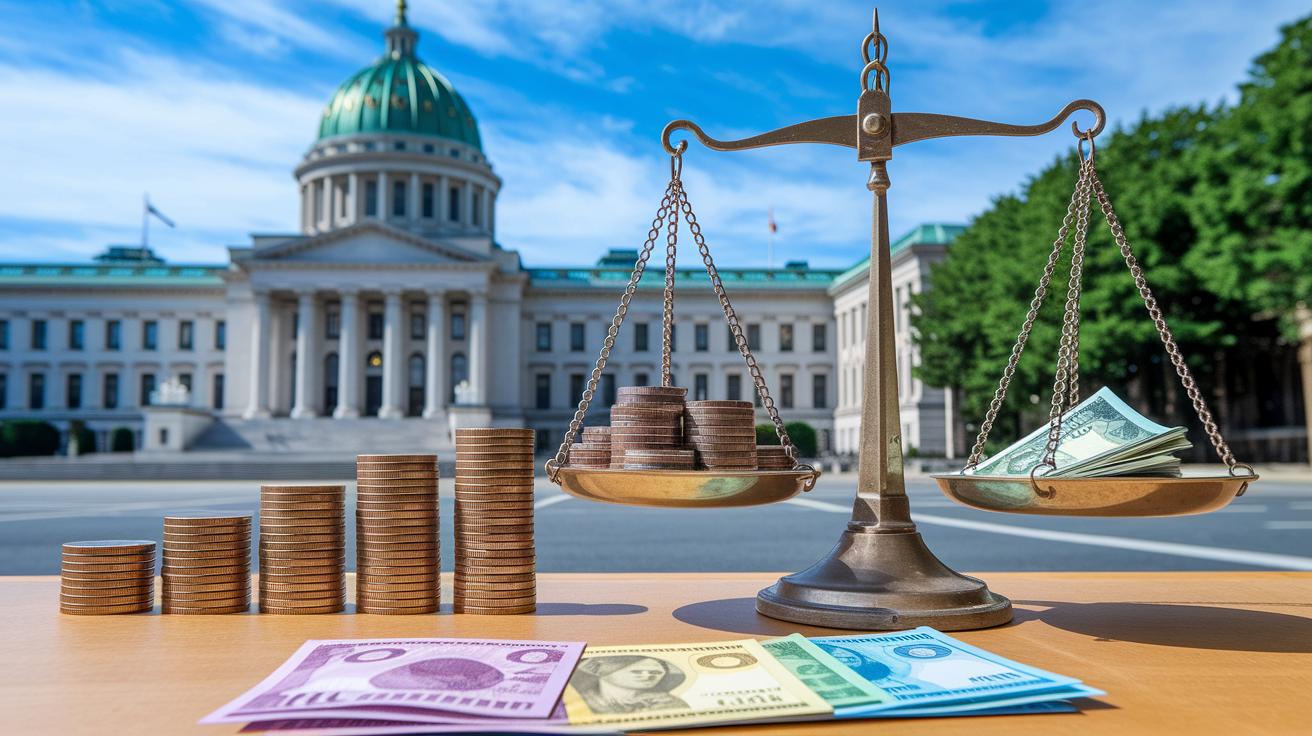
Fiscal policy is like the government's plan for spending money and collecting taxes to either boost or slow down the economy. When the government spends more or cuts taxes, it tries to give the economy a little push. On the flip side, reducing spending or raising taxes can help calm things down if the economy is growing too fast. These choices work together to keep overall demand steady and the economy on track.
Monetary policy, run by the central bank, sets interest rates and uses other tools to manage how money flows through the system. Lower interest rates make borrowing cheaper for banks, businesses, and households, which encourages spending. When rates are higher, borrowing costs more, and spending naturally slows, cooling off any overheating. This method nicely supports fiscal policy, and both work together to shape our economic life. Sometimes, experts even mix these strategies to get a clearer picture of the overall economic outlook.
For the economy to do well, it's key that fiscal and monetary policies work hand in hand. If the government pushes a spending boost while the central bank hikes rates, it can send mixed messages, leaving both businesses and households puzzled. When the policies are clear and coordinated, it builds trust and makes managing growth and inflation a smoother process. In the end, this teamwork creates a more stable economic environment and leads to more positive national forecasts.
Fiscal Policy Definition in Practice: Historical Case Studies
When the government makes choices about spending money and setting taxes, it directly shapes our economy. Over different periods, real examples have shown us various ways to manage these financial decisions. These stories help us understand how planning a policy, choosing the right moment, and dealing with outside events all work together to affect economic outcomes. It’s a lot like a family adjusting its monthly budget, small changes can lead to big results.
US Stimulus Package of 2009
In 2009, the United States put together a bold plan to lift an economy in deep trouble. The government noticed that private spending had dropped sharply during a severe recession. To fix this, they increased spending on public projects and cut taxes. Their goal was to give families and businesses more cash, which could lead to more spending, job creation, and overall economic activity. Even though these steps increased the country's debt, data showed they helped steady the market during a tough time. Think of it like getting a little extra pocket money that makes everyday life a bit brighter.
UK Deficit Reduction Measures Post-2010
After 2010, the UK chose a different path by focusing on reducing its growing debt. They did this by cutting back on public spending and raising taxes, a bit like tightening a budget at home. The aim was to lower the national debt and build a healthier financial future. However, the effect on the economy wasn’t all positive. While spending less helped reduce the debt, it also slowed the pace of economic activity, and higher taxes added extra pressure on families and businesses. This example shows that striking the right balance can be challenging. Tightening the budget might secure future stability, but it can also cool down the economy right now.
Final Words
In the action, this article broke down the fiscal policy definition and showed how government spending and taxes affect our daily economies. We explored the roles of expansionary and contractionary measures in keeping our financial systems sound.
We also touched on automatic stabilizers and historical case studies to illustrate real examples. These insights help us see how fiscal management shapes a secure financial future. Stay confident and invest in your growth.
FAQ
What is fiscal policy?
The definition of fiscal policy is government actions that use taxes and spending measures to guide economic activity. It influences growth, job levels, and inflation with well-planned adjustments.
What is monetary policy?
Monetary policy refers to the steps taken by central banks to manage the money supply and interest rates. It shapes lending and spending, complementing fiscal policy but working through different instruments.
What are some fiscal policy examples and types?
Fiscal policy examples include tax cuts, increased public spending, and adjustments in transfer payments. These fall under expansionary or contractionary measures intended to either boost or slow down economic activity.
What are the objectives of fiscal policy?
The objectives of fiscal policy focus on smoothing economic cycles, maintaining jobs, and promoting growth. It aims to stabilize the economy and improve living standards by balancing government spending and revenues.
What is the difference between fiscal policy and monetary policy?
The difference lies in their tools; fiscal policy manages the economy through government spending and taxes, while monetary policy relies on interest rate changes and money supply control conducted by central banks.
Who controls fiscal policy?
Fiscal policy is controlled by the government—typically the legislative and executive branches—who set tax rates, spending levels, and budget priorities to influence the nation’s economic direction.
What was Trump’s fiscal policy?
Trump’s fiscal policy centered on tax cuts and increased government spending to stimulate growth. This approach sparked discussions about its long-term effects on national debt and overall economic balance.