



Ever wonder if a computer might outsmart human traders? AI trading is making that idea come true. With machine learning (a way for computers to learn from data), these systems adjust their moves as quickly as the market changes.
Picture this: a setup that learns from huge piles of data and reacts faster than you can say "trade." This article shows how these smart tools are reshaping profit strategies right when it counts. Get ready to see how technology is driving trading with fast, smart decisions that keep pace with today’s bustling market.
AI Trading Foundations: Intelligent Market Automation with Machine Learning
Algorithmic trading is all about using simple rules based on past data, charts, and basic financial facts to decide when to buy or sell. Machine learning takes it a step further by learning from huge amounts of data and changing its strategy in real time. Picture a system that changes its game plan as the market shifts, just like a chess player anticipating every move. That’s the heart of intelligent trading.
Automated market strategies use live data to drive decisions. Advanced systems, like those used in quantitative trading (where complex formulas help make trading decisions), mix historical trends with fresh data to adjust instantly. Imagine a system that keeps fine-tuning its playbook as if it’s rewriting the rules right in the middle of a game, a much faster way to react than a person ever could.
High-frequency trading is a special part of this approach. Here, machine learning algorithms handle thousands of trades every second, spotting tiny opportunities in the market almost instantly. Think of it like a runner who dashes to catch a ball the moment it drops, a perfect example of quick action at play.
Then there are AI-powered ETFs and stock pickers that actively manage your portfolio. Unlike just tracking an index, these tools use automated models to keep up with fast market changes, ensuring your investments stay on track no matter how quickly things move.
Core AI Trading Methodologies: High-Frequency Systems to Predictive Financial Modeling
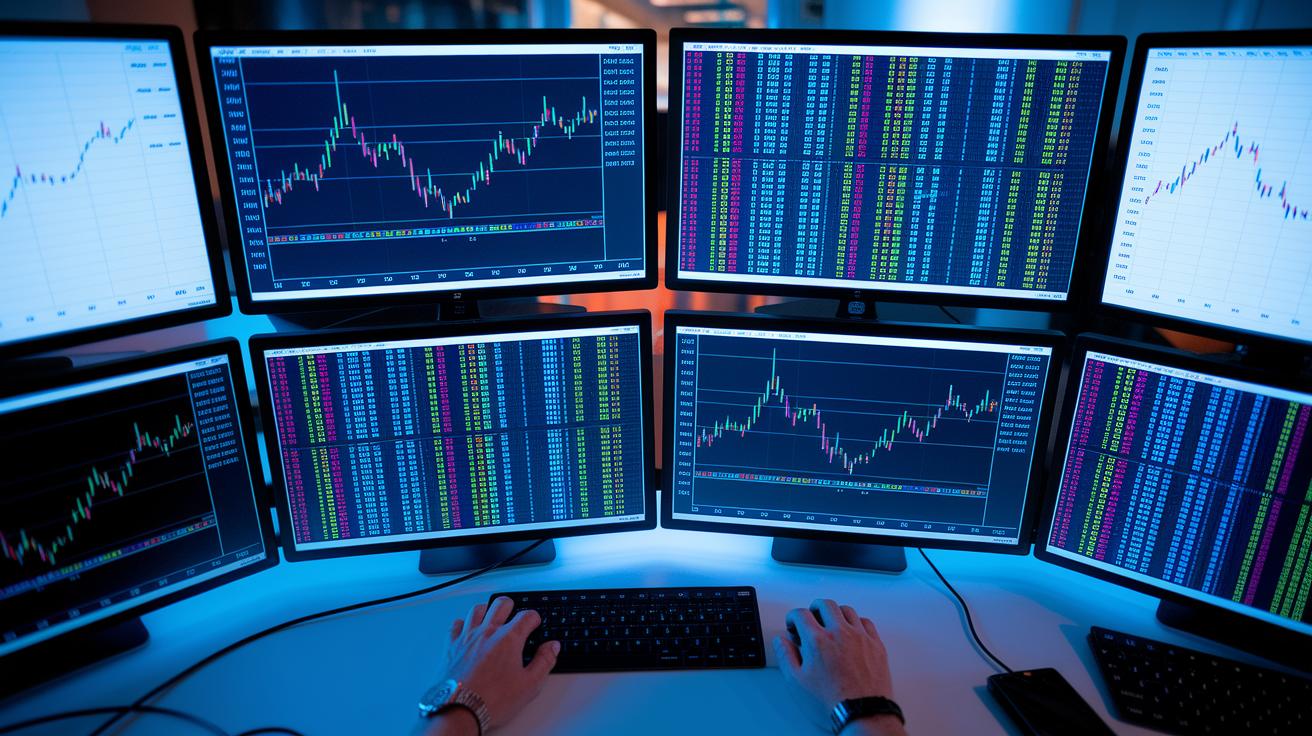
High-frequency trading uses computers to make thousands of trades in just one second without human help. Picture an algorithm that makes moves even faster than you can blink, similar to a chess game played at lightning speed. As technology grows, this method is set to become even more important, handling heaps of live data in real time.
Backtesting is like a rehearsal for trading. Traders use past data like prices, volumes, and other indicators to see how their tricks would have worked before risking any real cash. Think of it like practicing free throws before a big game, testing moves against both market ups and downs to fine-tune the strategy.
Predictive financial modeling is all about guessing what might happen next based on past trends. These models use simple techniques, like checking past price movements (much like how weather forecasts work, but for stocks), to help decide when to buy or sell. For instance, if a model spots a pattern that hints at a price rise, traders can get ready just in time.
Advanced market analytics wrap everything up neatly. They mix pattern spotting, live market mood (sentiment) readings, and signals from different parts of the market to decide the best moments to jump in or pull out of a trade. Imagine walking into a busy party and sensing just when the conversation turns for the better, that’s how these systems work, picking up small hints that lead to smart trading moves.
All these tools work together as the market moves. Whether it’s fast trading, careful backtesting, smart predictions, or clever analytics, each part helps build a strategy that can keep up with the market’s twists and turns.
AI Trading Tools and Platform Reviews: From No-Code Bots to Custom APIs
AI trading has come a long way, making it simple for anyone to start trading without needing to code. Nowadays, you can choose from tools as easy as no-code bots or dive into building your own custom APIs. Take Pionex, for example, it offers free built-in crypto bots that have been helping beginners since 2019. Believe it or not, one first-time trader saw results in just one week using a no-code bot. It really shows how easy it can be to get started!
Robo-advisory tools and mobile apps are also joining in by blending user-friendly design with powerful trading strategies. Platforms like TradeSanta offer monthly plans ranging from $15 to $90, making it a breeze for newcomers to test out crypto trading. And if you're curious but not ready to spend much, you can try free tiers from Cryptohopper and StockHero to experiment with different trading strategies.
For those who want more advanced features, traditional stock trading platforms such as Trade Ideas and TrendSpider are here to help. They provide rich data and technical tools that let you fine-tune your trading plan. Developers aren’t left out either, sites like QuantConnect allow you to build custom strategies, offering a free start and premium plans starting at $8 per month. Plus, MetaTrader 5 continues to be popular for its reliable charts and free access through partnered brokers.
| Platform | Pricing Tiers | Key Features |
|---|---|---|
| Pionex | Free Crypto Bots | Beginner-friendly, built-in crypto automation |
| TradeSanta | $15–$90/month | Cloud-based, easy setup |
| Trade Ideas | $89–$167/month | Stock scanning, AI-driven signals |
| TrendSpider | $39–$129/month | Technical analysis automation |
| QuantConnect | Free + $8/month | Custom API, coder friendly |
| MetaTrader 5 | Free via brokers | Advanced charting, desktop integration |
Risk Management Automation: Dynamic Risk Assessment in AI Trading

Imagine your trading system has a built-in safety net. Automated risk controls in AI trading do just that by adjusting your trade size as they keep an eye on everyday shifts in market volatility and your set limits for losses. So if the market starts acting wildly, the system quickly scales back to help protect your investment.
These smart systems work like a financial thermostat. They constantly use real-time data to check market risks and adjust your strategy when needed. When market conditions heat up, the system cools down your risk exposure to keep your trades safe.
Key numbers like the Sharpe ratio and maximum drawdown are always being watched. These indicators show you the balance between risk and reward in your trades. For more insights about these measurements, check out this link: financial performance analysis.
Tools like scenario analysis and live simulations add another layer of security. They test how your trading models would handle stressful market conditions, giving developers a chance to fine-tune the system. This extra step helps you feel more confident knowing your AI system is ready to adjust when the market gets rough.
Real-World Case Studies: AI Trading Performance and Profitability
TradeEasy AI uses news and sentiment analysis to spot events as they happen. In one case, the system quickly picked up on changes in market mood during unexpected news. Traders mentioned that the fast alerts helped them catch profit opportunities even when the market was unstable. This shows how AI can sort through many news stories and react much quicker than a person could.
TrendSpider takes a hands-off approach by scanning charts to find repeating patterns. Many users say it cuts down on tedious chart work and even makes it easier to spot important signals. For example, the system once noticed a pattern change just as market trends shifted, leading to a smart trade move. Its steady, reliable insights have made it a favorite for fine-tuning technical trading.
Trade Ideas relies on a strong AI engine to discover promising intraday trades and provide clear signals for when to enter or exit. One trader explained that following these patterns helped improve his trade timing, even during short-term market ups and downs. By crunching a huge amount of data in real time, the platform gives useful metrics that traders can explore further. This example shows how a numbers-based approach can guide fast and confident decision-making.
QuantConnect offers a flexible, code-focused platform that suits both professional developers and quantitative traders. One firm built custom models on this system that improved how they spotted key patterns, leading to better backtesting and live trade results. With advanced analytics and algorithm testing, QuantConnect stands out as a strong tool for detailed, data-driven strategies.
All these examples show that different AI tools, whether using sentiment analysis or coded strategy design, can boost smart trading and create profitable opportunities.
Getting Started with AI Trading: Best Practices for Beginners
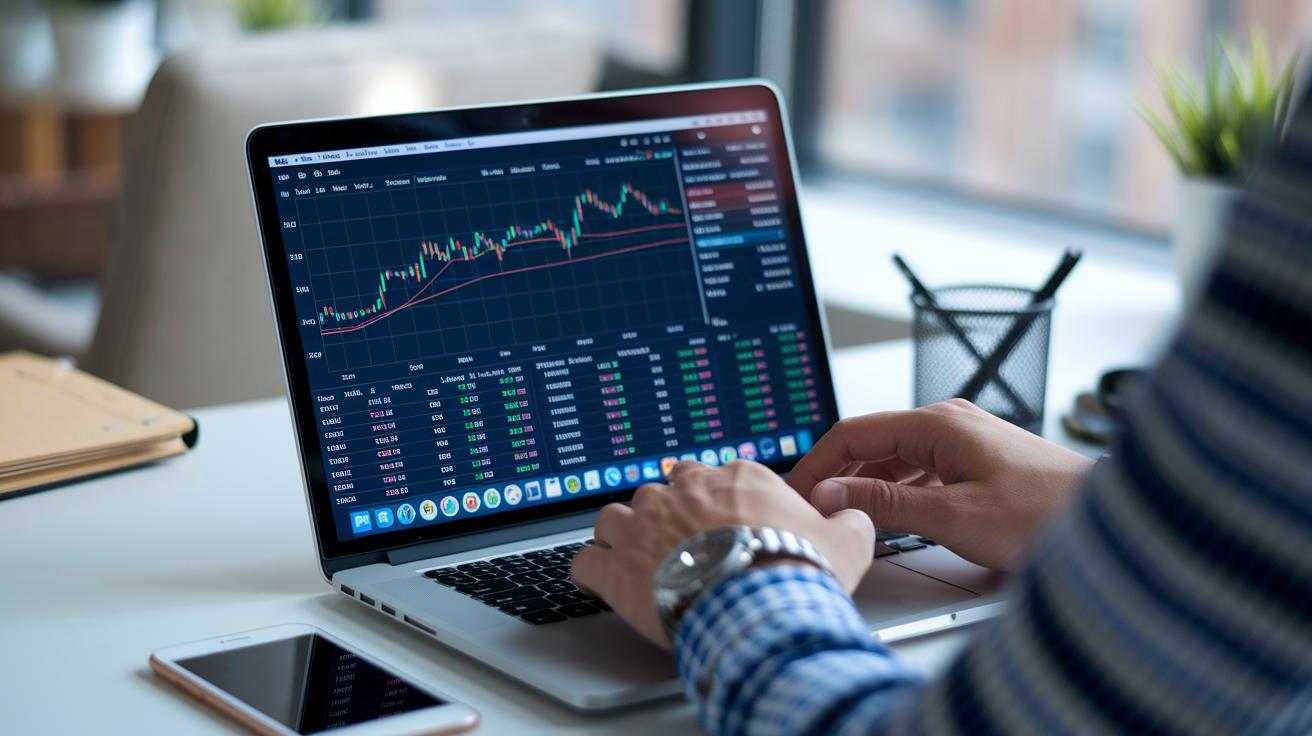
Jumping into AI trading is like stepping into a new realm of smart strategies. Many trading platforms offer free trials or demo accounts so you can try things out without worrying about any risks. For example, you can start with a no-code bot like Pionex or TradeSanta. These tools let you set up simple, rule-based strategies, which means you don’t need to be a coding whiz.
A smart move is to use demo accounts or simulation platforms to test your ideas. Think of these like practice fields where you can play with your strategy before moving on to real trades. Start off with clear, simple bots and watch how they perform over time. Once you feel more confident, you can try out more complex trading models.
Interactive learning tools and software tutorials make the whole process even easier. They give you step-by-step instructions using simple language that really breaks things down.
- Explore demo accounts
- Test rule-based bots
- Slowly add more complexity
A fun fact to remember: many new traders find that a solid demo account builds their confidence much faster than jumping straight into live trading.
ai trading Energizes Smart Profit Strategies
Neural networks learn patterns that aren’t straight lines, which helps them guess when prices might go up or down by studying lots of market data. Think of it like a clever detective who notices small hints where others don't. For instance, a neural network might find a repeating pattern in the wild ups and downs of a cryptocurrency, giving traders a heads up before a bounce-back.
Deep learning methods take it a step further by turning raw tick data, those little bits of market info, into clear trading signals. Imagine taking a messy recipe and boiling it down to one easy instruction. In one case, raw market ticks get turned into a custom indicator that works like a precise compass, pointing you toward the best trading moments. This process makes the complex market shifts easier to act on.
Backtesting lets you try out trading ideas by simulating trades on different assets like stocks, forex, and crypto. Picture rehearsing your favorite sports move until it feels natural. With backtesting, you can see how your trading bot would have done in past markets, letting you tweak it before using real money. It builds your confidence by showing you how strategies perform under many market conditions.
Technical indicator automation locks trading rules right into live bots. Think of it as having a trusty assistant that never slips up. When the bot spots a trading signal, it jumps into action right away, making sure you don’t miss key market moves.
Developers also create custom models using open-source tools like Superalgos and Hummingbot. These platforms let coders build systems that match a trader’s own style and improve over time. For example, a developer might adjust a model to better reflect how you trade, much like adding your personal twist to a time-tested recipe.
Final Words
In the action, we examined how ai trading uses machine learning and real-time data to power smart market moves. We looked at everything from automated order execution and high-speed processing to risk controls that keep investments secure. The discussion covered basic tools for newcomers as well as advanced techniques that help refine financial strategies.
This practical approach shows how these tools can boost financial security and growth. Keep learning and applying these insights to build a more secure future.
FAQ
What is the best AI trading app?
The best AI trading app brings intelligent market automation to your fingertips by using smart algorithms that analyze market data and execute trades instantly, making it ideal for both beginners and seasoned traders.
Can I use AI for trading?
Using AI for trading means you set up automated bots that rely on algorithms to study market trends and make quick decisions, offering a modern approach to managing your portfolio.
How can I get an AI trading bot?
Getting an AI trading bot involves choosing a platform that offers either free demos or paid versions, which provide easy setup and automation tools to help you start trading with minimal effort.
Is AI profitable in trading?
AI in trading can be profitable when integrated with sound risk management strategies and continuous market adjustments, giving traders an edge by processing large data volumes swiftly.
Can I make $1000 per day from trading using AI?
Making $1000 per day with AI trading depends on your strategy, market conditions, and risk controls; while some experience substantial gains, results vary significantly between traders.
What are the top AI trading platforms and bots?
Top AI trading platforms include well-known names like Pionex, TradeSanta, and StockHero, which offer both free trials and premium features designed to help you manage trades and monitor markets effectively.
What free AI trading apps are available?
Free AI trading apps give you access to basic automated trading functions and trial accounts, allowing you to familiarize yourself with smart trading tools before considering paid upgrades.
What is AI trading for beginners?
AI trading for beginners centers on intuitive tools like no-code bots and demo accounts that let newbies test simple strategies and gradually learn the mechanics of automated market trading.
What is the role of AI in trading futures?
AI in trading futures applies advanced data analysis to spot price trends quickly, helping to manage risk and execute orders in a fast-paced environment where timing is crucial.
Are there AI trading bots for sale?
Yes, AI trading bots for sale come in various models, offering prebuilt systems or customizable features that help improve the speed and accuracy of order executions based on real-time signals.
How can I find AI trading analysis like Tradvio?
Looking into services like Tradvio provides AI trading analysis that pairs machine learning insights with market data, giving you clear signals to support smarter trading decisions.
Is there free AI trading software available?
Free AI trading software packages offer basic features and demo environments, letting you practice automated strategies and get a feel for real-time market data before investing in more advanced tools.