



Ever thought about whether investing in stocks or bonds is too risky? Picture it like planting little seeds that eventually grow into a big, strong tree. Investing is a careful way to build your future without taking wild leaps.
This guide covers the basics of investing. We explain how to choose the right mix of assets and break down ideas like compound interest, which means earning interest on both the money you invest and the interest that builds over time.
With these simple tips, you can set clear goals and decide just how much risk feels right for you. Let’s start building a stronger financial future together.
Understanding Investment Basics for New Investors
Investing means putting your money into things like stocks, bonds, mutual funds, index funds, ETFs, real estate, and even crypto. Think of it like planting seeds that grow over time. Even small amounts can turn into bigger sums when you give them a chance to develop. It’s a simple step that sets you on the path to a more secure financial future.
There are several types of investments to consider. For example, stocks let you own a small part of a company, which could mean sharing in its growth. Bonds work a bit differently; they offer a steady return and help keep your portfolio balanced. Adding options like real estate or crypto brings variety and spreads out your risk. This mix is what we call asset allocation – it’s like not putting all your eggs in one basket.
Another key idea is compound interest. This is what happens when you earn interest on both your original money and the interest that rolls in over time. Even a little money today can grow into a much larger amount many years down the road. In short, starting early and adding a bit regularly can create a powerful, growing snowball of savings over time.
Your First Investment Steps: Setting Goals and Assessing Risk

Start by figuring out what you want your money to do, both now and in the future. Maybe you want to save up for a new car in a couple of years, or maybe you’re planning a long-term retirement fund. Think of it like planning a road trip: when you know your destination, it’s easier to pick the right route. It can help to write your goals down and set a timeline so you can see them clearly. This step shows you how much money you might need to save regularly. Many experts say it’s a smart idea to save around 10% to 15% of your income.
Next, take a moment to consider how comfortable you are with changes in the market. Look at things like your age, income, and your current money responsibilities. Ask yourself, “How would I feel if my investments dropped in value?” and think about whether you have a backup plan. Understanding your risk tolerance will help you mix your investments wisely, like choosing a blend of stocks, which aim for growth, and bonds, known for their steadiness. Spending some time on these questions will help you create an investment plan that fits both your goals and your comfort with ups and downs.
Building a Diversified Portfolio in Your Beginner’s Guide to Investing
A balanced portfolio means spreading your money among different types of investments such as stocks, bonds, and other options. This kind of mix lowers your risk because these investments rarely react the same way all at once. For example, stocks often grow well over time, while bonds usually deliver a steadier income. A common strategy for those comfortable with moderate risk is to aim for a mix like 60% in stocks and 40% in bonds. This blend can help soften the impact when market conditions change suddenly. For more basic ideas on portfolio building, check out our Investing 101 page. Spreading out your investments means you aren’t relying on just one to carry the load, which can help you sleep a little easier through ups and downs.
Keeping your portfolio in shape means checking in on it regularly. Rebalancing is simply the process of adjusting your mix of investments, many choose to do this each year. As time goes by, some parts of your portfolio might grow more than others, shifting your original balance. Rebalancing lets you sell some of the investments that have grown too much and add to those that need a boost so your plan stays aligned with your long-term goals. As your comfort with risk changes with life’s twists and turns, your portfolio should change, too. Think of it like fine-tuning your favorite instrument so your financial harmony stays on point.
| Asset Class | Purpose | Typical Allocation |
|---|---|---|
| Stocks | Growth potential | 60% |
| Bonds | Income and stability | 30% |
| Alternatives | Extra diversification | 10% |
Equity Market Introduction and Stock Market Fundamentals

When you buy a stock, you're picking up a small piece of a company, kind of like owning a crumb of your favorite pie. These shares trade on big U.S. stock exchanges like the NYSE and NASDAQ. Think of each exchange as a huge marketplace where buyers and sellers meet, each with its own set of rules and style. Imagine following a well-known company's journey, much like cheering for your favorite sports team each season.
Investors keep an eye on some key numbers to decide if a stock is a good choice. One of these is market capitalization, or market cap, which tells you the total value of a company by multiplying the current share price by all the shares available. This helps break companies into groups like large-cap, mid-cap, and small-cap. Another vital number is the dividend yield, which shows the annual income you might earn from owning a stock by comparing its yearly dividend to the share price.
Before diving into picking stocks, it’s smart to look at factors such as earnings reports and valuation ratios. Tools like stock screeners can make this easier. A stock screener works by sorting companies based on various criteria like market cap, dividend yield, or industry sector, helping you focus your research on the stocks that fit your goals. In this way, you can start building a safe and smart portfolio one step at a time.
Exploring Bond Market Essentials for Beginners
Bonds work like little loans you give to governments or companies, and in return, you receive steady interest payments. When you buy a bond, you’re agreeing to lend money for a set time, this is called the bond’s maturity. It can be as short as six months, like with certain certificates of deposit, or as long as 30 years with some government bonds.
The interest on bonds is fixed, so you know in advance what you’ll earn. However, it’s important to know that bond yields usually move in the opposite direction of prices. In other words, if bond prices go up, yields often drop, and if prices go down, yields tend to rise. Think of it like this: lending money to a friend with a great track record feels safer than lending to someone who might struggle to pay you back.
When you explore bond options, you’ll come across tools like treasury bond funds. These funds pool money from many investors to buy a mix of government bonds, which can help spread out risk. There are also individual corporate bonds that often offer a bit more interest, though they do come with extra risk. And don’t forget about expense ratios, these are the fees for managing your bond funds, and lower fees usually mean better long-term returns.
Imagine investing in a treasury bond fund as joining a friendly club where small investments come together to create a secure, steady income stream. It’s a simple way to build a reliable part of your investment portfolio.
Index Fund Strategies and Mutual Fund Primer

If you're just starting out with investing, both mutual funds and index funds let you spread your money across many different assets without overwhelming you. Mutual funds are run by professionals who make active choices about buying, selling, or holding stocks and bonds in an attempt to outdo the market. It’s like having a chef who keeps tweaking a recipe to get it just right.
Index funds, on the other hand, simply follow a market benchmark like the S&P 500. They don't try to beat the market – they aim to match it exactly. For many beginners, this makes index funds a bit simpler and easier to watch over time.
One of the great things about index funds is that they often come with low fees, sometimes under 0.20%, and they usually don't have a minimum investment requirement. Lower fees mean you get to keep more of your money, letting it work for you longer. Meanwhile, mutual funds might charge higher fees, which can lower your returns. Also, because index funds trade less often, they tend to trigger fewer taxable events, making them attractive for long-term growth.
By blending both types, you can aim for solid growth while keeping costs in check.
| Fund Type | Key Feature |
|---|---|
| Mutual Funds | Actively managed; higher fees with the goal of outperforming the market |
| Index Funds | Passively follow market benchmarks with low fees |
| Combined Approach | Mix both to balance potential gains with cost efficiency |
Alternative Assets: Realty Entry Insights and Crypto Strategies
Fractional real estate platforms and REITs let you get started in property investing without needing a fortune. You can buy just a part of a property or even a mix of several properties, giving you a way to earn income from real estate. It’s a bit like choosing a slice of a pie instead of buying the whole thing. Imagine owning a small share of a local office building with just a few dollars instead of going all in.
Fractional crypto investing works in the same way. It allows you to buy tiny portions of digital currencies like Bitcoin or Ethereum. Some apps even use your spare change from everyday purchases to build a diverse investment mix. Even a small piece of a Bitcoin can be a key part of your crypto plan, much like a little seed that grows into a sturdy tree. This makes getting into the crypto market much easier without a big cash commitment.
Nontraditional investments, such as fractional real estate and crypto, can change in value very quickly compared to regular stocks or bonds. Because of this, it’s smart to only use a small part of your overall portfolio for these kinds of assets. Keep an eye on your investments and set clear limits to help manage any losses. By staying aware of market trends and being patient, you can balance the risks and enjoy the benefits of these innovative opportunities.
Risk Mitigation Techniques and Compound Interest for Long-Term Growth
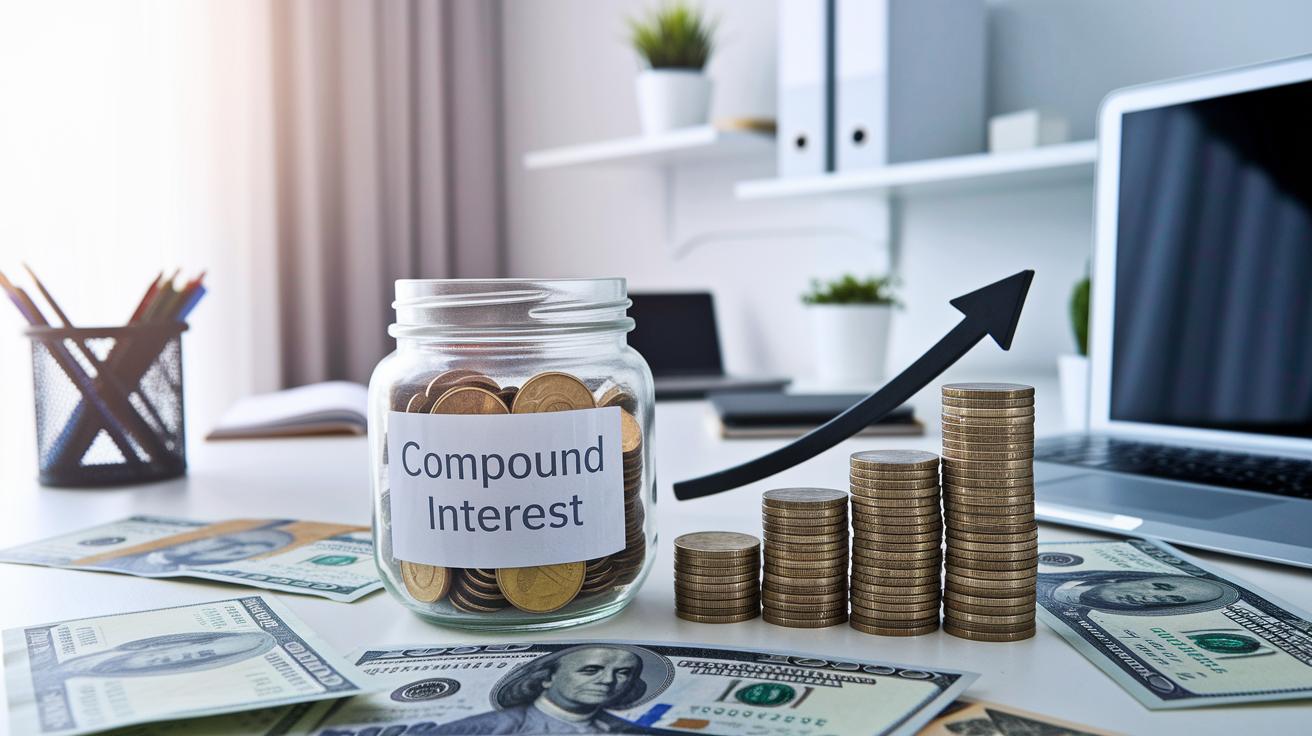
Compound interest acts like a secret booster for your money. Picture starting out with $1,000 and earning a 7% return every year. In just 30 years, that small sum can nearly reach $15,000 without you adding extra cash. It’s pretty neat to see how even a little effort now can grow into a big win later, all thanks to interest piling up on interest.
Here are some smart ways to keep risk in check while you grow your savings:
- Diversification: Don’t put all your eggs in one basket. Spreading your investments across different areas helps lessen the blow if one loses value.
- Dollar-cost averaging: Invest a set amount regularly. This steady habit can smooth out the ups and downs of the market.
- Setting stop-loss orders: This means selling an asset automatically when it hits a certain price, which can help keep big losses at bay.
- Maintaining an emergency fund: Keep some cash aside for surprises so you’re not forced to pull money from your investments when things go wrong.
- Holding through downturns: Stick with your investments even when the market dips. Often, the rewards come back when things recover.
Balancing risk and growth is all about staying disciplined and focused on your long-term plan. It’s important to make regular contributions and adjust your approach when needed. Taking practical steps to manage risk gives your hard-earned money a safe spot to grow, even when the market is unpredictable. In the end, being patient and persistent builds confidence and sets you on a path to a stronger financial future.
Setting Up Brokerage Accounts and Navigating Trading Platforms
Brokerages come in different types. Some full-service brokers give you expert advice and a full list of services, while discount brokers keep it simple with lower fees. Then there are robo-advisors, computer programs that help manage your investments with almost no human help. Today, many accounts like IRAs let you start with no minimum deposit and even offer ways to lower your tax bill. Knowing these options can really shape your investing plan. If some terms seem confusing, check out Investing 101 for clear, simple explanations.
It’s also important to pick a trading platform that feels right for you. Think about things like commission fees, how easy the site is to use, and whether a mobile app is available for on-the-go trading. The steps should flow naturally, from verifying your identity and adding money to making your very first trade. Look at how the platform shows market trends and your orders on the dashboard or mobile app. A good platform not only makes managing your investments a breeze, but it also helps you learn and trade with confidence.
Here’s a simple checklist:
- Find a brokerage that matches your needs and budget.
- Finish the required verification steps.
- Fund your account with your preferred payment method.
- Make your first trade to start growing your investment portfolio.
Final Words
In the action, we reviewed core investing basics, from understanding different asset classes and the beauty of compound interest to setting clear goals and assessing risk. We explored building a diversified portfolio, getting to know stocks, bonds, and even alternative assets. We also touched on practical steps like setting up brokerage accounts and using risk techniques to protect your capital.
This beginner's guide to investing leaves you ready to make smart money moves and enjoy a secure financial future.
FAQ
Q: What does an “Investing for beginners PDF” contain?
A: The investing for beginners PDF explains basic concepts like asset classes, risk management, and compound interest to help you build a simple investment roadmap for making smart financial decisions.
Q: What is a Beginners Guide to Investing book?
A: The Beginners Guide to Investing book offers clear, step-by-step instructions on starting with stocks, bonds, and mutual funds, making difficult financial terms easy to understand for new investors.
Q: How can I invest with little money or as a student?
A: Investing with little money or as a student means starting small using micro-investing apps or low-cost funds, so you can learn the basics while gradually building a stronger portfolio.
Q: What are some recommended investment platforms for beginners?
A: Platforms like Vanguard, Fidelity, Acorns, Charles Schwab, Robinhood, and Interactive Brokers provide user-friendly tools, low fees, and easy account setups that help beginners start investing with confidence.
Q: How do beginners choose the best stocks when funds are limited?
A: For beginners with limited funds, the best stocks are often those with low costs and steady performance. Using simple stock screeners and starting with index funds helps build a balanced investment foundation.
Q: Are investing for beginners videos useful?
A: Investing for beginners videos offer clear, visual explanations of key financial concepts and online trading steps, making it easier for new investors to understand real-world market basics.