



Have you ever noticed how the economy can sometimes surprise you? Recent forecasts suggest we might see a 3.2% rise in GDP by 2025 and the global economy could near $124 trillion by 2026. It’s like watching a well-tuned engine start to roar. In this article, we'll break down these numbers and talk about what they could mean for your money choices, giving you a clear picture of where growth might be headed for everyday investors.
Macro Economic Outlook: Global Growth Trends and Forecasts
The International Monetary Fund recently shared that global GDP might grow by 3.2% in 2025. This forecast is based on data from 191 economies and shows a steady beat in the world economy. It feels a bit like knowing your favorite clock is ticking consistently. Even before technology transformed our daily routines, small family businesses experienced growth that made a real difference.
Today, analysts cover almost every part of the globe, and they expect the world economy to hit $124 trillion by 2026. Experts look at which regions are speeding ahead and which are lagging. They factor in things like new rules and changing commodity prices to get a clear picture. Here’s a quick look at the highlights:
| Point | Detail |
|---|---|
| Global GDP Growth | 3.2% real growth in 2025 |
| Number of Economies | 191 countries analyzed |
| World Economy Size | $124 trillion by 2026 |
| Regional Performance | Identifying growth leaders and laggards |
| Risks | Main risks to expansion considered |
Investors can feel more confident with these numbers, as they suggest things could stay fairly stable despite some risks. This clear picture helps one plan investments and make smart moves. By watching both the bright spots and the flagging areas, investors may adjust their portfolios to stay resilient. In simple terms, steady global growth mixed with detailed regional insights creates a helpful roadmap for balancing bold strategies with careful risk checks.
US Economic Outlook: Baseline, Downside, and Upside Scenarios
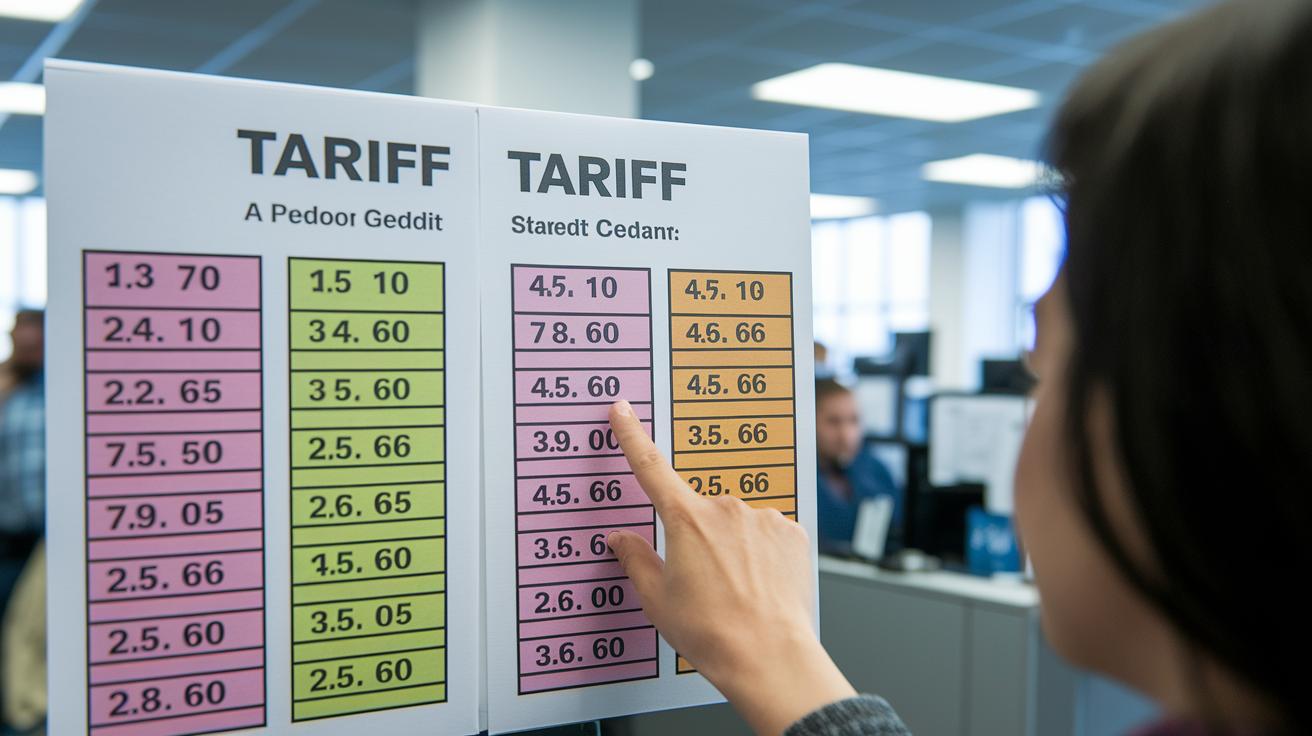
Recent predictions for the US economy show three possible paths. In the normal case, tariffs drop from 18.6% in August 2025 to about 15% by mid-2026. This change comes as trade with Canada and Mexico becomes smoother.
The less favorable scenario sees tariffs climbing to around 20%. Here, net migration stays flat from 2026 to 2030 and a quick drop in interest rates by the Fed could hurt the economy.
On the bright side, tariffs might fall further to nearly 7.5% by the end of 2026. In this view, better migration policies could add about 1.4 million adults by 2030.
These different scenarios help investors and businesses know what to expect. The normal case points to a steady market, while the tougher scenario warns of risks that could slow growth. The best-case scenario, however, sets up a lively market driven by good trade deals and migration gains.
| Scenario | Avg Tariff Rate by 2026 | Net Migration Change | Key Assumptions |
|---|---|---|---|
| Baseline | ~15% | Stable or moderate | Better trade with Canada and Mexico |
| Downside | ~20% | Zero net migration (2026–2030) | Higher tariffs on key products; quick Fed rate cuts |
| Upside | ~7.5% | +1.4 million adults by 2030 | Improved trade deals; positive migration shifts |
Each outcome has different effects on investors and businesses. The baseline means fewer trade barriers and a steady economic pace. The downside warns of bumps that might slow growth, especially if the Fed makes fast rate cuts. Meanwhile, the upside shows a lively market with better trade ties and more people entering the economy.
Core Drivers in the Economic Outlook: Inflation and Monetary Policy
Inflation plays a big role in how we look at the economy right now. In July 2025, headline CPI inflation ticked up to 2.7% while core CPI reached 3.1%. The Fed watches another number called the personal consumption expenditures deflator, which was at 2.6%. These figures show that prices have been rising steadily over the past few months, and they give economists clues about the pressure on household budgets and business costs.
To help keep things moving, the central bank trimmed its key interest rate by 25 basis points, bringing it to a range of 3.75% to 4%, the lowest since November 2022. This step is all about making borrowing a bit cheaper. With lower interest rates, both consumers and businesses can spend more, which in turn supports economic growth while keeping an eye on price changes.
Investors noticed the change too. Bond yields edged up slightly after the rate cut, and short-term yields rose modestly. This uptick suggests that investors feel comfortable with how the market is being managed. Even though the Fed’s move is meant to spark growth, it also helps to reassure everyone that the credit market remains stable, which is a good sign for the overall economy.
Labor Market Forecast in the Economic Outlook

Across the globe, working hours look very different. In regions like South Asia and the Middle East, workweeks can be very demanding. Meanwhile, countries in Northern Europe enjoy much shorter weeks. Recent forecasts show that the average hours vary a lot. For example, people in Bhutan work about 54.5 hours each week, while in the Netherlands the average is just 26.8 hours. These differences help us understand the unique work cultures and economic setups around the world. They also show how work habits can shape both our lifestyles and the strength of local economies.
Global Workweek Patterns
Let’s take a closer look at the numbers. In the United States, employees work around 36.1 hours a week, which is moderate compared to places like Pakistan at 47.5 hours or India at 45.8 hours. The Nordic nations, such as Norway and Denmark, record averages of about 27.1 and 28.8 hours, giving their workers more time for life outside of work. These numbers tell us that labor policies, cultural traditions, and workplace demands can vary widely. It’s a reminder that how, and how much, we work influences our daily lives and overall well-being.
US Labor Slowdown
Turning to the US, the labor market is showing signs of slowing down. Although there used to be a strong monthly gain of about 168,000 jobs in 2024, recent trends up to August 2025 have only seen increases of around 30,000 jobs per month. The unemployment rate remains low at 4.3%, which means jobs are still around, but the pace of new hiring has slowed. This is something that policymakers are keeping a close watch on, as it could affect the overall economic outlook.
Financial Market Signals in the Economic Outlook
The S&P 500 has bounced back, climbing about 6% above its February 2025 high. This rebound is like watching a runner who trips early but then finds their stride, markets are regaining strength after the bumps from initial tariff news. Investors can feel a bit more optimistic seeing this recovery, even when things seem to shift now and then.
Bond yields have taken a modest climb after the Fed cut rates, a sign that investors are moving cautiously amid those tariff-induced dips. It’s a bit like a small rise on a roller coaster right after a sudden drop, a hint that the wild swings might be easing into smoother terrain.
At the same time, credit spreads are holding steady at levels we’ve seen before. This stability in the credit market offers a reliable base for investors, even as stocks and bonds experience some ups and downs. It’s a balancing act between risk and stability, helping folks keep an eye on all the key signals as they update their strategies.
Fiscal Policy and Trade Developments in the Economic Outlook

The new tax law is expected to add about $3.4 trillion to the federal deficit over the next ten years. When you include debt service, that number goes up to roughly $4.1 trillion. In just one fiscal year around 2026–27, over $1 trillion could be added. This big jump has lawmakers rethinking budget plans while investors watch closely to see how stable the economy will remain. It’s a lot like a small business adjusting its approach when tax rules change – just like how Thomas Edison started modestly before fine-tuning his strategies.
Meanwhile, a recent agreement between the United States and China is changing trade rules too. Under this deal, China will delay new limits on rare earth mineral exports and put off technology controls. In exchange, the United States will lower the average tariff on Chinese imports by 10 percentage points, bringing it down to 47%. This move aims to smooth out trade tensions and create steadier market conditions, much like a sports team regrouping during a timeout to gain momentum.
Together, these fiscal and trade changes create a complicated yet hopeful setup for future growth. Larger deficits call for careful budget management, while easier trade rules could boost investment and build stronger market trust. Investors might favor sectors that benefit from clearer fiscal policies and smoother international trade, helping pave the way for a more balanced economic outlook.
Final Words
In the action, we broke down global trends, US scenarios, labor figures, and market signals that shape our economic outlook. We touched on key shifts in international growth, fiscal moves, and policy effects, painting a clear picture for investors. Each section shows how different factors, from tariffs to wage trends, play a role in our financial ecosystem. Stay alert to these smart insights, and keep moving forward with confidence and a positive mind toward your financial future.
FAQ
What is the economic outlook?
The economic outlook means a snapshot of current and future economic conditions, including growth trends, inflation, and key risks. It helps investors and policymakers plan their next steps.
What are the projections for the world economic outlook 2025?
The world economic outlook for 2025 projects a 3.2% real GDP growth across 191 economies, highlighting both opportunities and risks. These figures help guide strategic financial decisions.
What is the economic outlook for the next 5 years?
The economic outlook for the next 5 years blends immediate recovery details with medium-term growth trends and market signals, offering a roadmap for future fiscal and investment planning.
What is the prediction for the US economy in 2025?
The prediction for the US economy in 2025 involves scenario-based outcomes influenced by tariff adjustments and migration trends, outlining baseline, downside, and upside possibilities to reflect market uncertainty.
Is the world going into recession in 2025?
The question of a 2025 recession remains unsettled, with current forecasts suggesting moderate growth amid risks rather than a clear global downturn, keeping discussions open among analysts.