



Have you ever wondered if trading might be a good idea for you? It might be easier to start than you think. Learn a few simple words like stocks (small pieces of companies), bonds (loans to organizations), and ETFs (collections of investments in a single package) to build a plan that fits you. Imagine owning a tiny part of your favorite store or lending money and earning some extra cash. This article will walk you through clear, easy steps that make your first trade feel less scary and more fun. Ready to take that small step and start trading?
Critical First Steps for Starting Trading
Begin with a clear, simple plan. First, get to know the basic talk of the market. Terms like stocks, bonds, ETFs, forex, and commodities will soon make sense. Think of stocks as small pieces of a company you own, and bonds as lending money for a set interest. Imagine buying your first stock is like owning a slice of your favorite local shop.
Next, take a look at the different types of investments you might want to try:
- Stocks mean you own part of a company that trades on an exchange.
- Bonds are loans that pay you interest over time.
- ETFs let you hold a mix of investments all in one go.
- Forex involves trading different currencies, buying one and selling another.
- Commodities include natural resources or farm products.
Consider each investment type like a tool in your toolkit. Each one can help you in different market conditions. As you learn more, you can see which tools work best in your overall trading strategy.
Think of this learning process as a helpful checklist:
- Learn the market basics and key words.
- Understand what each type of investment is all about.
- Find resources like beginner guides and tutorials to build your knowledge.
This clear, step-by-step approach builds a strong base for your future trading. And remember, starting small with manageable amounts lets you practice and learn without feeling overwhelmed.
Understanding Trading Fundamentals before You Start Trading

When you begin trading, it's important to know how different investments work together. Stocks, bonds, and ETFs each have their own role. Stocks mean you own a small part of a company. They are bought and sold on exchanges like the Toronto Stock Exchange. Imagine having a ticket to your favorite store, you share in its success.
Bonds are like loans you give to a company or government. In return, you get regular interest payments and your original money back when the bond ends. Think of it as lending money and getting steady income in return.
ETFs combine a variety of investments into one package, much like a basket filled with different fruits. Picture a basket of apples, oranges, and bananas, if one fruit isn’t doing well, the others help balance your portfolio.
Here’s a simple breakdown:
- First, learn how stocks allow you to share in a company’s performance.
- Next, understand bonds as a method for earning regular returns.
- Then, see ETFs as a mix of different assets that provide low-cost variety.
| Asset | Key Feature | Example |
|---|---|---|
| Stocks | Ownership in companies | Like holding a ticket to your favorite store |
| Bonds | Steady interest and return of principal | Like lending money and receiving regular payments |
| ETFs | Diverse mix of investments | Like a basket filled with various fruits |
These basics show how each asset works and how they all come together to build a balanced strategy.
Selecting a Broker and Setting Up Your Trading Account
When you’re ready to dive into trading, picking the right broker is a key step. You can usually set up a brokerage account online in just a few minutes. Look for brokers that offer helpful research tools, clear educational resources, and reliable trade execution. This way, you'll feel more confident and get a better grasp on market trends.
Take some time to compare brokers by looking at fees, commissions, margin rules (how fast you can borrow funds), and account minimums. Even small differences in fees can make a big difference over time. For example, find a broker that clearly shows fees on their website and offers tools to track the cost of each trade.
If you’re working with limited funds, consider prop-firm accounts. With these accounts, you trade with the firm’s money while proving your skills, which lets you gain experience without risking too much at first.
Here are some steps to guide you:
- Check out the broker’s reputation and customer reviews.
- Explore the educational tools and research resources they offer.
- Compare their fee structures and commission costs.
- Look into prop-firm options if you need a low starting capital.
| Aspect | What to Look For |
|---|---|
| Fees & Commissions | Low, clear, and simple fee structure |
| Tools | Good research and education resources |
| Account Requirements | Affordable margin levels and minimum deposits |
Navigating Trading Platforms and Essential Tools for Trading
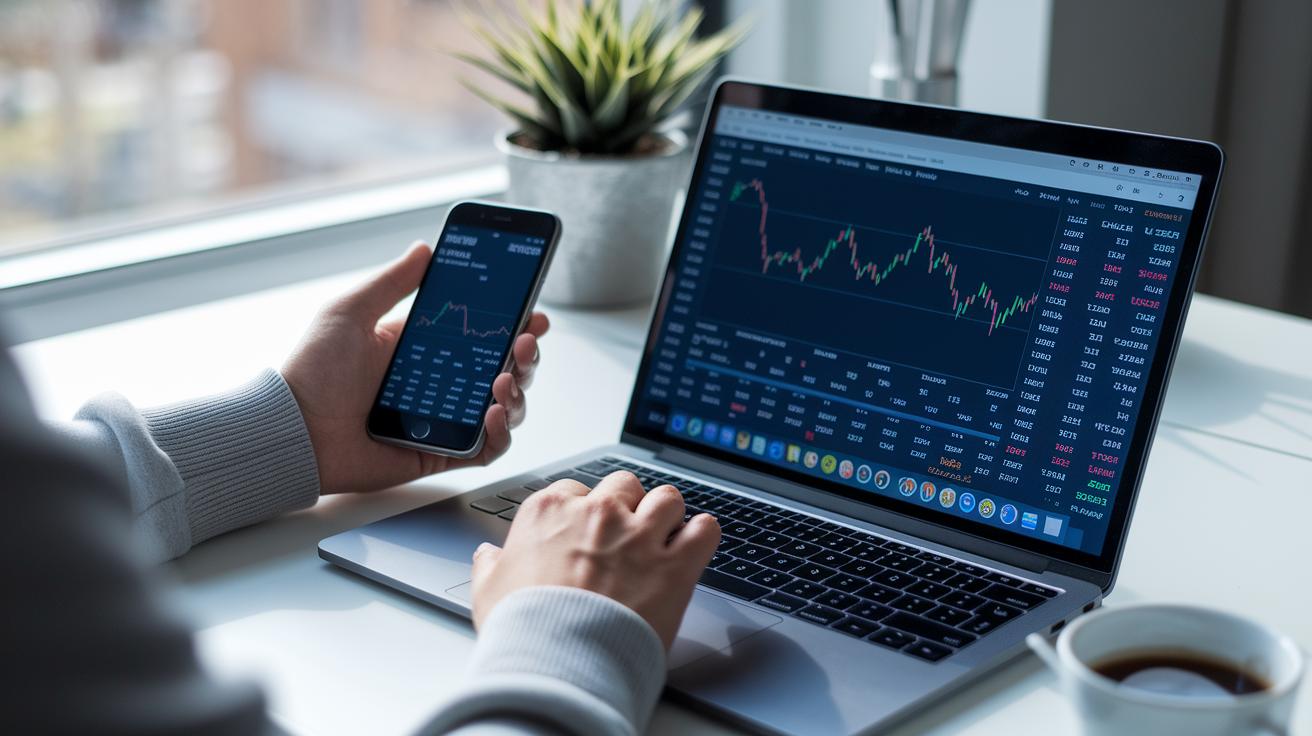
These days, trading platforms come in different shapes and sizes. You can access them on your web browser or right on your mobile, making it easy to trade wherever you are. Many platforms let you switch between live trading and demo modes, so you can practice without putting real money on the line.
Most platforms come with helpful tools built right in. You might find a Trader’s Handbook, a Glossary, or an easy-to-read blog that breaks down market ideas into simple words. Imagine reading a quick explanation that makes you think, “Ah, now I get it!”
There are also extra features designed to boost your trading experience. Some platforms include smart tools like trading bots, a studio where you can test your ideas, and even API connections (which means linking your account to other financial tools). Here's a tip: choose a platform that has filtering tools. A stock screener, for instance, can help you sort out which assets might work best for you. For more details, check out this guide: https://tradewiselly.com?p=4382.
All these easy-to-use tools and straight-forward resources make it simple for new traders to learn, practice, and gradually build up their confidence with every trade.
Using Demo and Simulated Trading to Build Skills
Imagine you could learn trading without risking your hard-earned cash. A virtual trading account lets you do just that. It gives beginners a safe space to explore how the market works, trying out when to buy, sell, or adjust how much money to risk, just like practicing a new sport without getting hurt.
Using a demo account is like having a dress rehearsal before you perform live. You can test different ideas, whether it's using market orders (buying or selling immediately at current prices) or limit orders (setting a specific price for your trades). You even get to try out stop-loss placements, which help protect you if the market moves against you. This hands-on practice makes those real-life market changes feel a little less scary when you're ready to trade for real.
Here are a few tips to get started:
| Tip | Description |
|---|---|
| Practice with Paper Trading | Use your demo account to mimic live market conditions without any risk. |
| Keep a Record | Jot down your simulated trades to see what strategies work best. |
| Transition Gradually | Move slowly from demo trading to live trading as your confidence grows. |
Implementing Risk Management Fundamentals in Trading

Trading is a lot like setting off on a road trip, you want to be as safe as possible along the way. One basic step is setting up stop-loss orders. This means if your trade starts to go south, it automatically closes, much like fastening your seatbelt when you get in the car. For example, you might decide to sell a stock if it drops by 2%.
Starting small is another smart move. Instead of diving into big trades, begin with a smaller amount so that any losses are manageable. As you get more comfortable, you can slowly increase your trading size. Techniques like dollar-cost averaging, which spreads out your investment over time, help smooth out the bumps in the market.
Before you place a trade, take a moment to look at the risk-reward ratio. In simple terms, this means comparing how much you might lose to how much you could gain. For example, risking one dollar to possibly earn three dollars is a setup worth considering.
Here are a few practical tips to keep in mind:
- Set stop-loss orders so your losses are contained automatically.
- Start small and increase your position gradually.
- Use techniques like dollar-cost averaging to spread out your investment.
- Always check the risk-reward ratio before you trade.
| Step | Action | Example |
|---|---|---|
| Stop-Loss Order | Automatically exit a trade if losses hit your limit | Sell if the price drops by 2% |
| Position Sizing | Begin with a small amount and increase slowly | Invest 2% of your capital initially |
| Risk-Reward Ratio | Compare your potential loss with your potential gain | Risk $1 for a potential gain of $3 |
Taking the time to manage risk carefully means you can trade with more confidence and less worry.
Basic Trading Strategies: Day Trading, Swing Trading, and More
Scalping
Scalping means making lots of quick trades to grab tiny gains. Think of it like scooping up coins dropped in a fountain. Each move is fast, and you need a sharp eye to catch those small shifts in price.
Day Trading
Day trading is all about buying and selling within the same day. Picture this: you buy a stock in the morning and sell it by the afternoon to take advantage of price changes. This method helps you avoid risks that come with overnight market moves. Many beginners set orders to snap up quick spikes in price before the day ends.
Swing Trading
Swing trading takes a steadier pace. Here, you hold a trade for a few days or even weeks to ride the natural ups and downs of the market. Imagine waiting for the perfect wave at the beach and then riding it. You’re looking for those swings that give you a smooth ride to a profit.
Position Trading
Position trading is the long-term approach. In this style, trades can last for months or years as you watch big market trends develop. Think of it as planting a seed and letting it grow into a tree. It’s a patient, slower method that aims for steady growth over time.
Building Your First Trading Plan and Managing Emotions

Start by creating a simple trading plan. Write down your goals, the amount of loss you can handle, and when you’ll check your plan. For example, you might note, "I'll limit any loss to 2% per trade," much like setting a built-in safety net before you even begin.
Next, record your plan in a notebook or on your computer and review it often. Think of it as your personal roadmap that keeps you steady instead of chasing every hot tip. Ever feel overwhelmed by the market buzz? A clear plan helps you filter out those distractions.
After that, make sure you track every trade you make. Detailed records let you see what works and what doesn’t. For instance, if you notice that following your preset strategy brings steady gains, use that insight to fine-tune your plan.
Also, keep in mind that trading can bring up strong emotions. Managing your feelings is just as important as understanding the numbers. Remind yourself, "I trust my plan, even when the market gets rocky," to keep your confidence strong.
Finally, commit to learning all the time. Read the news, join webinars, and explore new ideas to keep improving your trading strategy and discipline.
Final Words
In the action, this article walked you through the critical first steps of trading by explaining market basics, setting up your trading account, and exploring the tools and platforms available. It showed the value of demo trading to build skills safely and stressed the importance of risk management and plan building. The step-by-step guide offers a clear, friendly overview to help you build confidence. Use these insights on how to start trading to shape a secure and growing financial future.
FAQ
How to start trading book
A trading book offers a guide to market basics, risk management, and trading strategies. It serves as a solid foundation before you jump into live trading.
How does a beginner start trading and what are the basics for beginners in the stock market?
Beginners should learn trading fundamentals, start with demo accounts, and research market terms. Set clear goals, pick a trusted broker, and gradually move to live trading as you build confidence.
How can I start trading with little money, especially as a student or with $100?
Starting with small funds is feasible by choosing brokers with low minimum deposits. Use budget-friendly strategies, practice with demo accounts, and scale up as you gain experience and confidence.
How to start trading on Reddit and learn from its community
Trading communities on Reddit share real-life experiences and tips. They can offer support and ideas, but always verify advice using trusted educational resources before acting on it.
How to start trading forex
Forex trading begins with understanding currency pairs and market risks. Use demo accounts to test strategies while learning key concepts, then choose a regulated broker that offers good educational tools.
How to start trading crypto
To trade crypto, learn how digital currencies work and their market volatility. Open an account with a reputable platform, practice in demo mode, and study basic blockchain and crypto trading strategies.
Can I make $1000 per day from trading?
Consistently earning $1000 daily is challenging and requires advanced skills, substantial capital, and strict risk management. Beginners should focus on steady learning and realistic goal setting.
Why do 90% of traders lose?
Many traders lose due to weak education, poor risk management, and emotional decisions. Developing a clear trading plan and practicing disciplined strategies can help improve success rates.
How to learn trading for free
Free trading education is available online through webinars, tutorials, demo accounts, and community forums. These resources help build your knowledge without an upfront investment.
Where can I do trading?
Trading takes place on regulated online brokerage platforms. Look for user-friendly services that offer research tools, clear fee structures, and reliable order execution for a smooth trading experience.