



Ever wonder how smart tools are changing the way industries work? Digital systems are sparking new growth by solving everyday problems in factories. Companies aren’t just tweaking things here and there, they’re completely overhauling their operations. They use smart machines and cloud tech (that is, storing data over the internet) to cut downtime by nearly half. U.S. factories are leading the charge by backing over half of the patents and spending on research. These trends show how modern tech is reshaping production and boosting efficiency. Keep reading to see how these changes are lighting the way for progress.
Comprehensive Industrial Sector Trends Overview
Industries are changing fast due to digital tech. In fact, nearly 30% of digital upgrades by 2026 will come from manufacturing. This shows just how quickly the landscape is shifting. In the U.S., manufacturing is a big innovator, it backs 55% of all patents and takes up 70% of research and development spending. These strong numbers are driving trends that change how goods are made around the world.
Some key trends include edge computing, smart manufacturing, and cloud adoption. Edge computing helps companies make quick decisions by processing data where it’s created. Smart manufacturing uses automated systems to work more smoothly and efficiently. And cloud adoption keeps teams connected, even when they are spread out over different locations.
Another trend is hybrid IT models. These models connect data centers spread across 11 nearby markets, much like a central hub that helps every part of a production network stay in touch. This mix of current tech with fresh digital strategies is creating a well-rounded approach to managing operations.
| Statistic | Value |
|---|---|
| Digital Transformation Spending | 30% by 2026 |
| U.S. Manufacturing Patents/R&D | 55% / 70% |
These insights help us understand how the industrial sector is evolving and give us a clear picture of what today’s changing market looks like.
Industrial Digital Transformation and Automation Trends
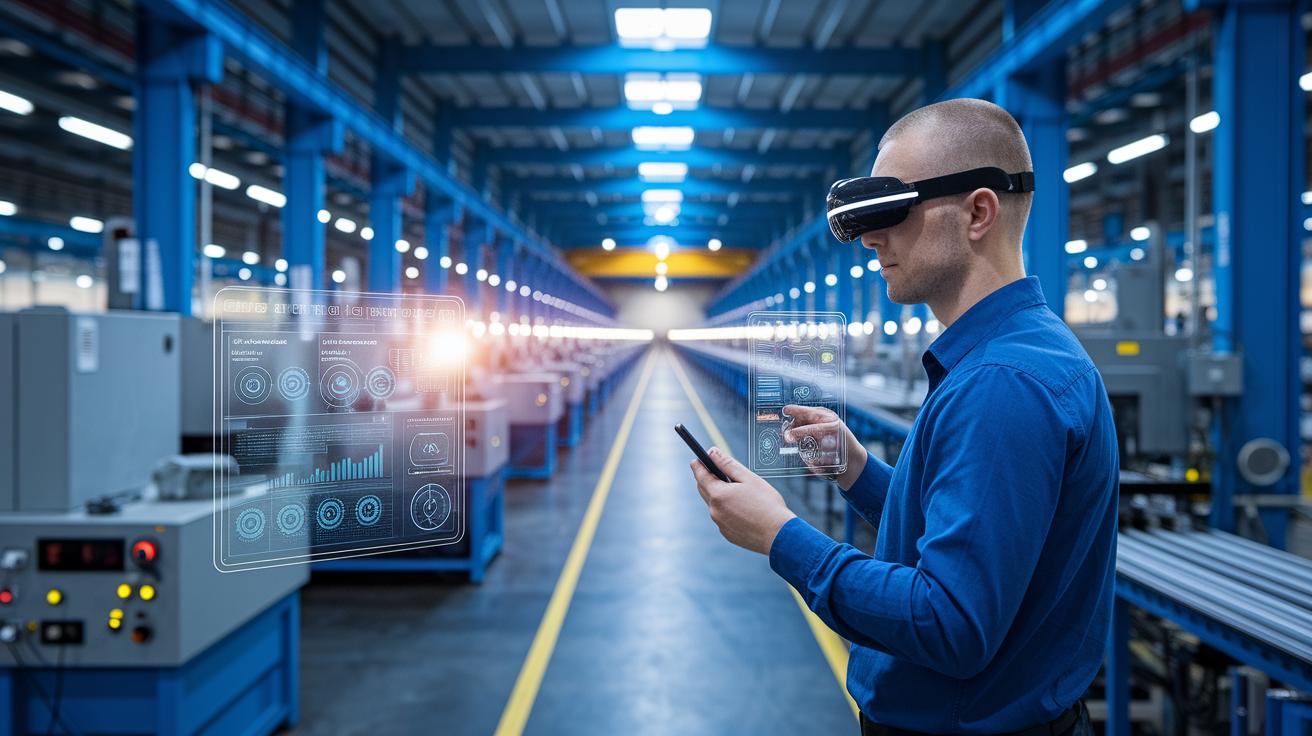
Manufacturers are switching up their production methods with smart technology that makes everything run smoother and faster. AI and machine learning help by offering real-time insights and warning signs before small issues turn into big problems. For instance, sensors on equipment can reduce unexpected downtime by nearly 50%. Think of it like your car’s check engine light, letting you know when it’s time to get service and avoid a breakdown.
New tech like digital twins, augmented reality, and virtual reality make it easier to monitor machines from a distance. Imagine a technician checking equipment with AR glasses from far away, cutting down on the need for on-site visits and saving both time and money. This way, companies can virtually test improvements before spending big on changes in the plant.
Even so, only 7% of manufacturers say they have full access to their operational data. This shows that problems still exist when old systems try to work with the latest Industrial Internet of Things (IIoT) solutions. It underlines the need for digital platforms that can connect every part of the production chain.
Those who are embracing these trends aren’t just updating their technology. They’re rethinking every step of how they make their products. With the latest digital transformation tools and automation progress, the whole industry is shifting toward more flexible and efficient operations.
For insights on global financial trends affecting manufacturing investment, check out: global financial trends – https://greatnewsx.com?p=.
Emerging Production Technologies Shaping Industrial Sector Trends
It's exciting to see how tools like 3D printing and additive manufacturing are changing the way products are made today. These techniques let manufacturers whip up prototypes in no time, tweak designs as needed, and even cut down on high tooling costs. Imagine being able to produce a custom-fit gear in hours instead of days, it's a real game-changer for speeding up innovation.
These methods also let companies create parts that meet very specific needs, which means less waste and lower production costs. Picture needing a repair part and having it produced on demand, so you don't have to wait around and can keep things running smoothly.
Thanks to high-precision additive manufacturing, industries can now work with complex shapes and advanced materials that were once out of reach. This breakthrough makes it possible to explore new designs and even mix these technologies with service-based strategies. In doing so, companies can offer tailored, ongoing services that turn products into a steady revenue source.
In short, by embracing these fresh production techniques, the industrial sector is paving the way for faster growth and a more agile process that can respond to ever-changing market demands.
Sustainability and Circular Initiatives in Industrial Sector Trends

Today, manufacturers are switching to greener practices. They use smart circular approaches like reusing, refurbishing, and recycling to turn waste into something useful. Picture a production line where every scrap is transformed into a new product. This creative method helps cut costs while meeting strict environmental guidelines.
More companies are also investing in renewable energy and simple carbon capture technology to reach carbon neutrality by 2030–2040. In many cases, these eco-rules aren’t just things to follow, they form the heart of their business strategies.
Big equipment makers now connect executive bonuses to these green goals. What once was a mere checklist now powers growth and innovation. With clearer reporting and fresh regulations, firms are always looking for ways to improve their eco-friendly processes.
Factories are rethinking old routines as they build a future where sustainability drives excellence and fresh ideas. This progress is not only smart; it’s truly inspiring.
Supply Chain Resilience and Risk in Industrial Sector Trends
Manufacturers are changing the way they handle supply chains by using fresh ideas to keep things moving even when the market shifts. They use smart inventory systems based on real data along with blockchain tracking, a way to see every step of a product’s journey, to lower the risk of running out of stock. Think of it like a warehouse that sends an instant alert when supplies drop too low. It works just like a digital watchdog that keeps an eye on everything.
Companies are also looking for local suppliers and bringing production closer to home. This helps them steer clear of international issues and cuts down on transport costs. Imagine a factory that picks local resources to dodge long shipping times. This choice keeps the assembly line steady, even when the global market is a bit unpredictable.
Another cool trend is the use of automated logistics with AI-based predictions. This blend acts like an early warning system, alerting companies when to change production levels based on live market info. Plus, wearable safety gadgets paired with AI help keep workers safe by constantly checking conditions and warning about any possible hazards before they turn into big problems.
These modern production techniques are helping manufacturers create stronger supply chains that can handle unexpected challenges. For more detailed insights, check out risk management techniques (https://dealerserve.com?p=2041).
Future Outlook and Performance Analysis of Industrial Sector Trends
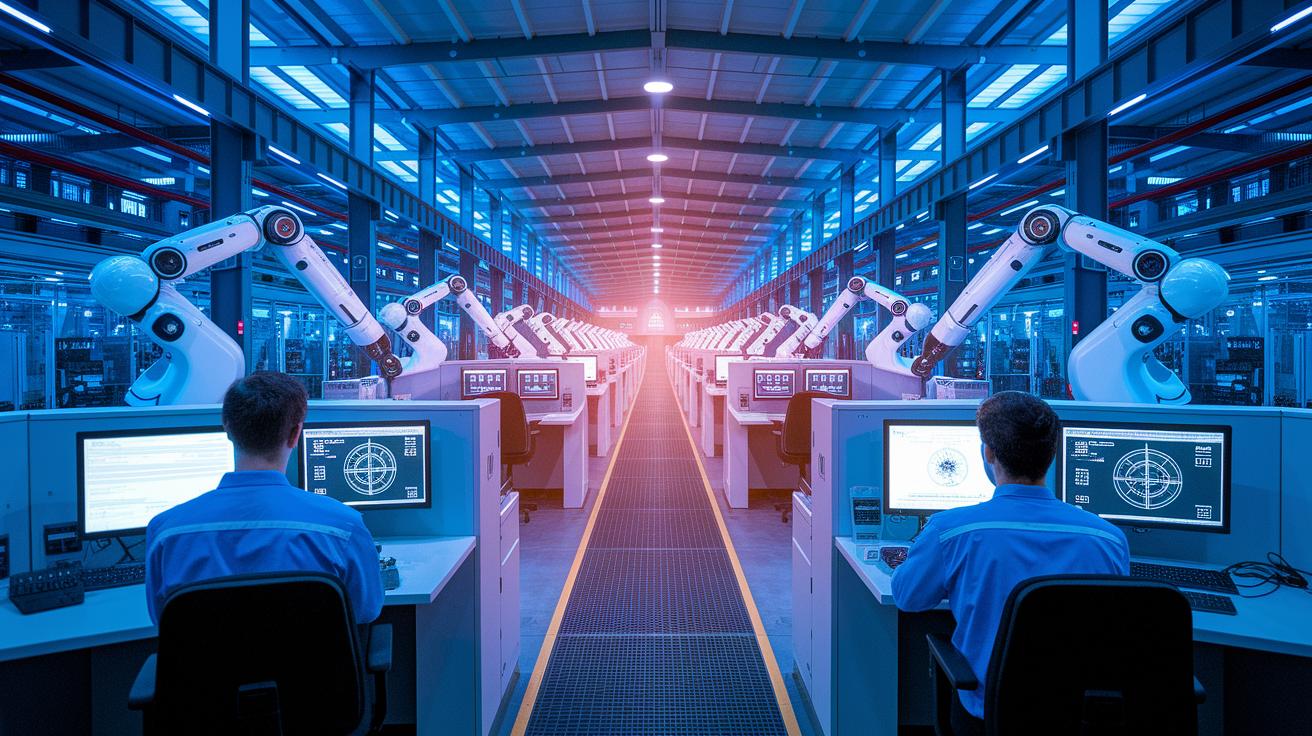
Imagine a factory where smart technology makes everything work smoothly by 2025. These factories use advanced tools like data analytics (which means using facts to guide decisions) and machine-to-machine communication to keep things running well. This change not only makes production faster and more efficient, but also sets a new, competitive standard for manufacturing.
Manufacturers are now looking beyond just making physical products. They are adding services into the mix through something called Service Lifecycle Management, which means they manage a service from start to finish. This shift helps them earn steady income over time. With easy-to-use digital tools and online stores, companies are moving from business-to-business sales to selling directly to customers. It's like upgrading an old computer to a faster, more reliable one – one company even redesigned its entire production line to keep up with these trends.
Even though many companies still deal with old systems, there’s a clear need to combine traditional tools with modern IT solutions step by step. People call this hybrid IT. While fitting new systems with old ones can be challenging, steady progress is expected to boost production worldwide. Overall, these smart changes in business models and technology upgrades are leading the industrial sector toward a future filled with growth and long-lasting performance.
Final Words
In the action of this article, we explored how digital tools, automation, and emerging production technologies are setting the stage for modern manufacturing. We saw sustainability efforts and smarter supply chain tactics that help build a reliable financial future. By breaking down key elements, from digital transformation to risk management, readers gain clear, accessible insights on market shifts. Embracing these ideas can lead to more informed decisions and a secure path forward. Let the clarity of industrial sector trends inspire your smart financial choices.
FAQ
Q: What are the key trends in the industrial sector today?
A: The industrial sector today shows trends like digital upgrades, smart manufacturing, eco-friendly production, and stronger supply chains to build a more efficient and responsive industry.
Q: What manufacturing industry trends are predicted for 2025?
A: Manufacturing trends for 2025 include smart factories, increased use of digital tools, additive manufacturing improvements, and a shift toward service-based models that create recurring revenue streams.
Q: How does new technology impact the manufacturing industry?
A: New technology in manufacturing uses AI, IoT, and augmented tools to boost real-time monitoring, cut downtime, and improve production efficiency, making operations more precise and connected.
Q: What are common examples of industry trends?
A: Common industry trends involve digital integration in production, the shift to circular models for sustainability, smart automation for process efficiency, and the adoption of cloud and edge computing.
Q: What industry is trending right now?
A: The trending industry right now is one emphasizing digital transformation and smart manufacturing, where advanced technologies play a key role in driving efficient, sustainable production practices.