

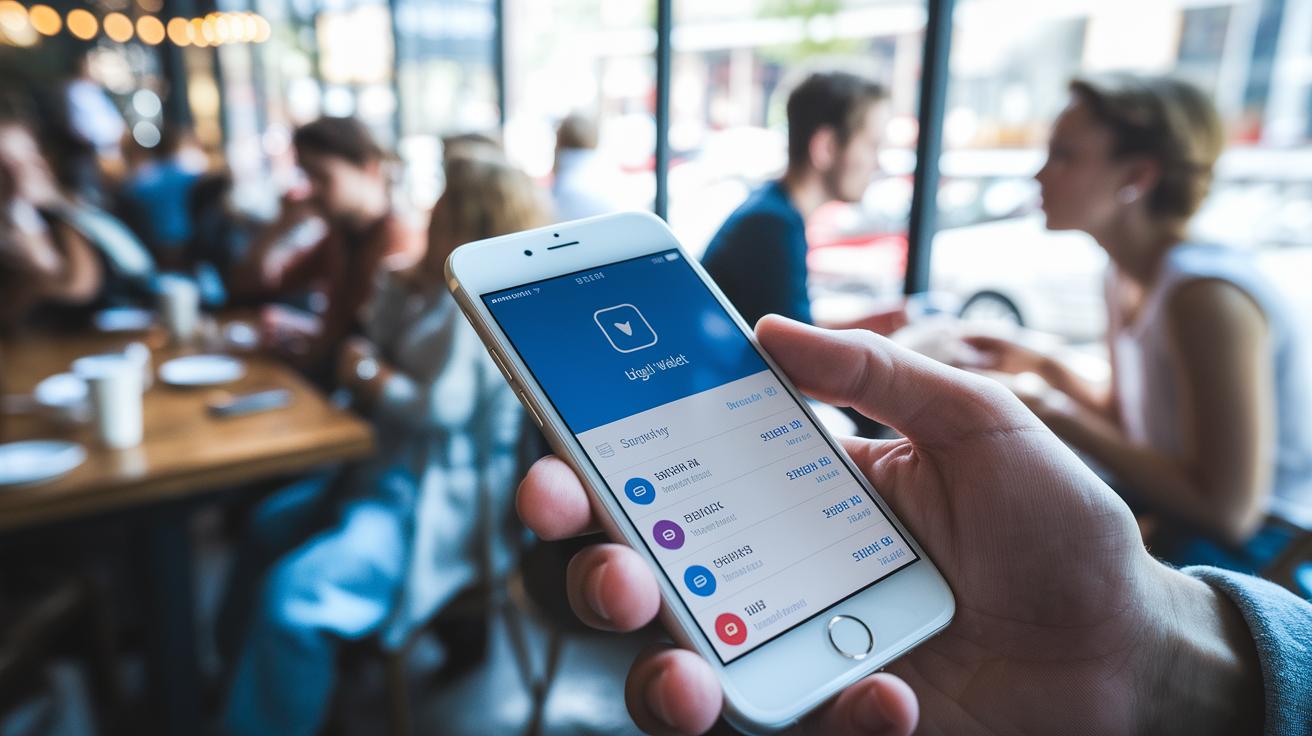

Have you ever thought your smartphone could make shopping both faster and safer? With NFC (that means near-field communication, a way for devices to share data over short distances) and mobile payments, buying things is becoming quicker and more secure. When you tap your phone, it sends your payment details like a secret code, keeping your information safe and private. This method can speed up checkout almost 10 times compared to older systems. Let's take a closer look at how this smart technology is making everyday transactions smooth and secure.
How NFC Integrates with Mobile Payments
Near field communication, or NFC, is a wireless technology that works over a very short range, up to about 4 cm (1.5 inches). This means that when your NFC-enabled smartphone or smartwatch comes near a payment terminal, it can quickly exchange your payment information. Picture tapping your phone at checkout and finishing your purchase in mere seconds, sometimes up to 10 times faster than older methods, according to Mastercard.
Most smartphones with NFC carry a digital wallet like Apple Pay, Google Pay, or Samsung Pay. These wallets safely store your encrypted credit or debit card details. When you tap your phone near an NFC terminal, the device and the terminal share a quick, two-way handshake. Your card information isn’t sent as it is; instead, a process called tokenization swaps your actual card data for a unique, one-time code. This step makes it much harder for anyone to misuse your data.
Encryption further protects your details by scrambling everything during the exchange. Think of it like writing a secret note in a code that only the receiver can understand. With its short range, speedy data transfer, and layers of security like tokenization and encryption, NFC has become a key part of how we make mobile payments today.
NFC and Mobile Payments: Smooth, Secure Transactions
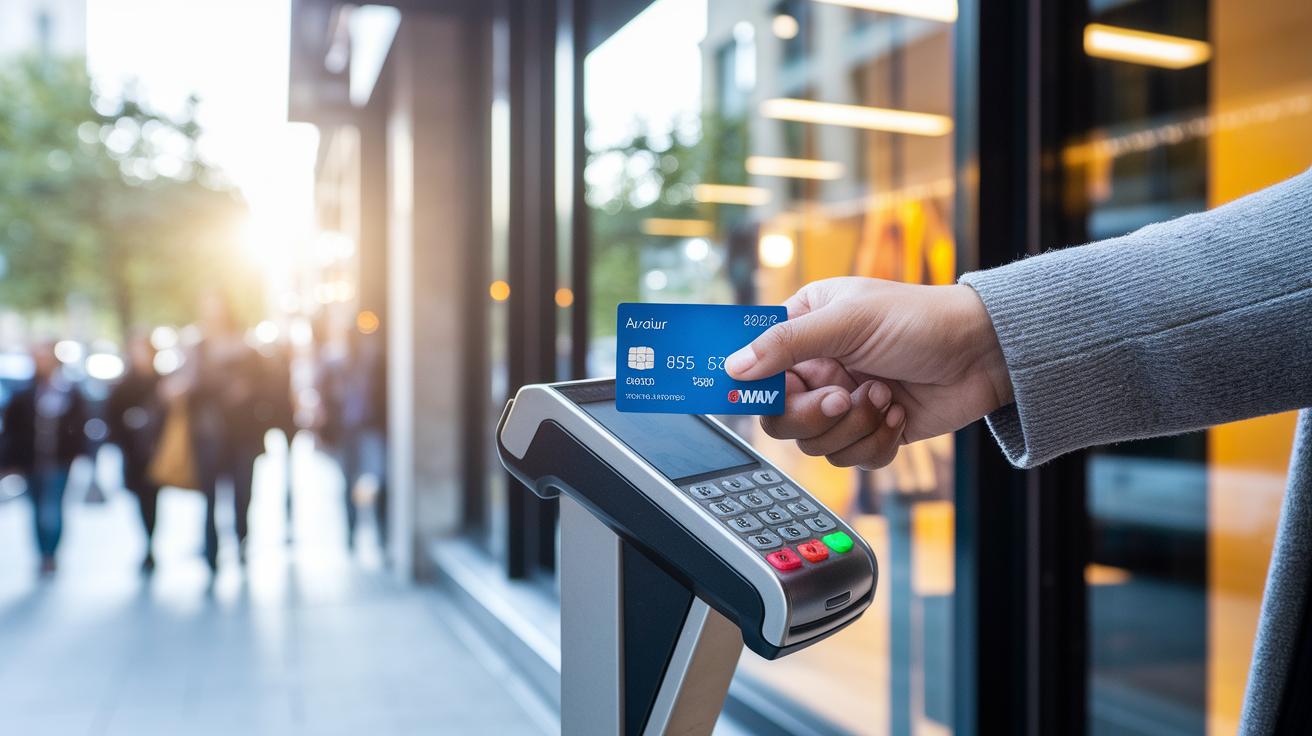
- Tap-to-pay checkouts process transactions up to 10 times faster than older chip or cash methods.
- Not handling cash cuts costs and shortens waiting times.
- One-touch payments make customers happy and ease the buying process.
- Quick terminal service helps boost sales conversion rates.
- No-touch interactions provide a safer, cleaner way to pay.
Retailers who use NFC payment solutions see real benefits. When checkouts are faster, it not only speeds up transactions but also reduces the expenses linked to managing cash. More customers can be served in less time, which often leads to higher sales conversion rates, a big win for any business. Many merchants use services like mobile payments services to offer even more convenience for busy shoppers. With this smoother payment process, there is less friction and almost no physical contact, which is a big deal for customer safety. A simple tap delivers a stress-free experience that keeps people coming back. In short, retailers enjoy both lower costs and happier customers, all adding up to stronger overall profits.
Securing NFC Mobile Payment Transactions
When you pay with your mobile phone, several layers of security work together to protect your transaction. First, your payment details are scrambled with encryption. This means your information is turned into a secret code, so if someone intercepts it, they won’t understand a thing. Next, tokenization swaps out your real card number for a unique, one-time code, almost like using a secret password that can only be used once.
Imagine tapping your phone and instead of sending your actual card details, a secret code travels to finish your payment. It’s a smart way to block any attempts at data theft.
Here’s how it works:
- Encryption: Your payment data is changed into a secret code during transfer. Think of it like writing a note in a special language that only you and your best friend understand.
- Tokenization: Your real card details are replaced with a temporary, unique code that cannot be used again.
- Biometric Authentication: Features like fingerprint or face recognition check that it’s really you making the payment.
- Offline Approval: If your connection drops, pre-stored authorizations help your transaction go through without a hitch.
Also, there are strict rules that NFC systems follow, such as PCI DSS standards. In plain terms, merchants must update their hardware and software regularly to keep everything secure. However, one potential risk is with PIN-free NFC cards: if your unlocked device falls into the wrong hands, it could be misused. That’s why it’s wise to always lock your mobile device and use biometric locks where you can.
Overall, by using these layered security steps, NFC mobile payments are not only fast and convenient but also built to keep your money safe in today’s busy world.
Implementing NFC Payments: Merchant Guide
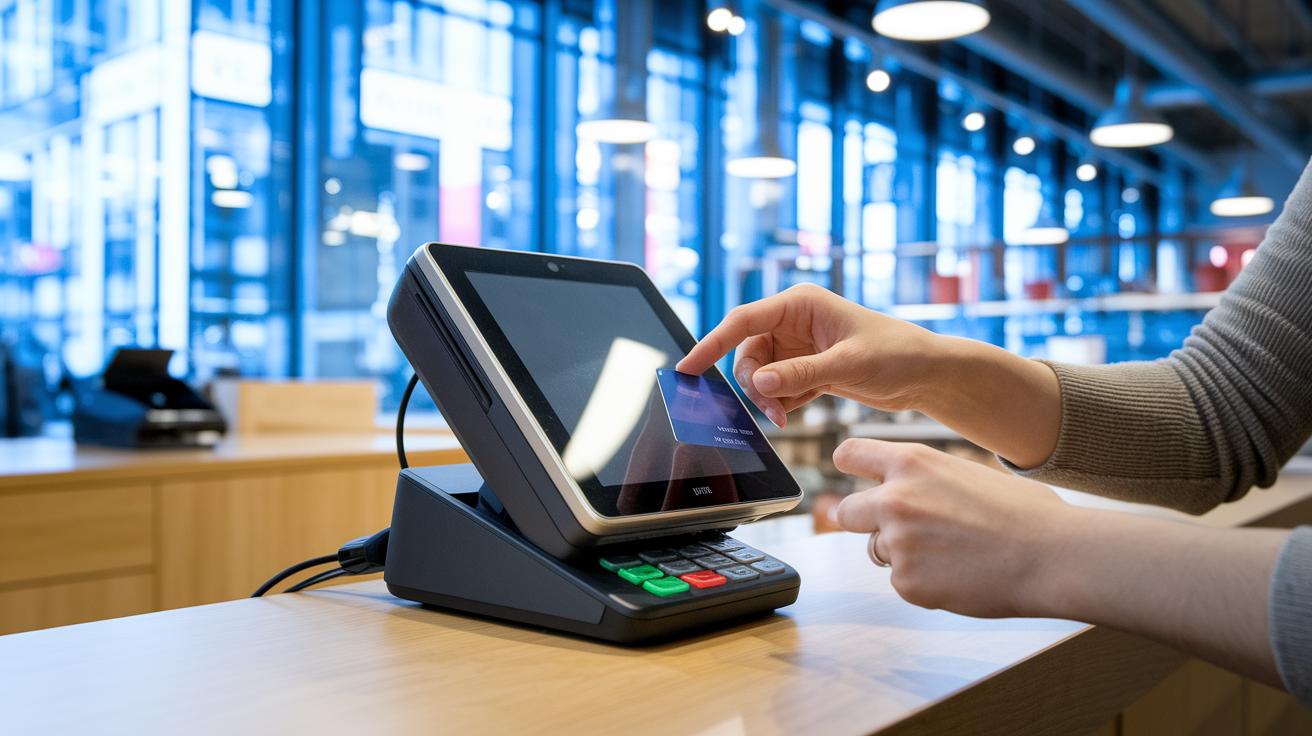
Start by checking out your current point-of-sale system. Merchants should upgrade to devices that support NFC and update the firmware when needed. It's like swapping an old cash register for a modern touchscreen, simple and effective. This new setup lets your store safely handle tap-to-pay transactions.
Next, connect your system with payment network APIs, such as Visa and Mastercard. Doing so makes digital wallets work seamlessly with your system, creating a smooth, one-touch payment experience. Think of it as setting up a clear, safe pathway for customer payments without extra fees, keeping rates just like regular card-present transactions.
Before you go live, make sure everything is secure. Check that your system meets all security guidelines, such as those from Payment Card Industry standards, to protect customer data. Run a few test transactions to catch any issues early, imagine your staff seeing a perfect tap payment before you roll it out for everyone.
Make sure your employees are well trained. Show them how to help customers, fix any small glitches, and explain how NFC security works. A short training session using test devices, like, "Tap your phone, hear a quick beep, and see a confirmation", can really boost their confidence.
Finally, let your customers know about the new payment option. Use in-store signs and update your website so shoppers understand they can now pay faster and without touching cash. Clear communication helps everyone enjoy a smooth, secure tap-to-pay experience.
Future Trends in NFC and Mobile Payments
The future of contactless payments looks really promising. Experts expect the contactless payments market to jump from $52.11 billion in 2024 to $196.18 billion by 2033. In simpler terms, that’s a steady rise of about 15.87% each year. This growth means that mobile wallets will be even more popular among young digital users, while older groups might still stick to the cards and cash they're used to.
And it’s not just about using smartphones. Soon, everyday devices like your fitness band or smart appliances might handle payments, too. Imagine your wearable automatically paying for your coffee or your smart fridge reordering food when you run low. It’s a new level of convenience that makes ordinary transactions feel almost magical.
Developers are working on exciting new technologies as well. We’re talking about things like ultra-wideband and dynamic QR codes, which help make contactless payments work from even further away and in more ways than ever before. Plus, dual-interface cards that support both chip and tap payments make it easier for everyone to transition smoothly from older methods to these modern solutions.
- Expect fast growth in the market.
- Younger users will push adoption, while traditional folks hold on to familiar methods.
- Smart devices and new tech promise to make contactless payments even more flexible.
Final Words
In the action of modern finance, nfc and mobile payments have reshaped everyday transactions with speedy tap-to-pay steps and solid protection. The article reviewed how near field technology works, highlighted the quick and cost-saving benefits for both users and shops, and discussed important safeguards during data exchanges. It also offered practical steps for merchants ready to upgrade their systems. With market trends on the rise and new tech continuously emerging, this shift brings fresh, exciting opportunities for a steadier financial future.
FAQ
What are NFC mobile payments?
NFC mobile payments use near field communication to exchange encrypted payment details between a device and a terminal when tapped nearby, making transactions fast and secure.
Is Apple Pay NFC mobile payments?
Apple Pay employs NFC technology so you can tap your iPhone or Apple Watch at a terminal to securely exchange encrypted payment data, offering a simple and safe payment process.
What is an example of NFC mobile payments?
For example, Samsung Pay lets you tap your NFC-enabled phone at a store’s terminal, transmitting encrypted card data instantly for a quick, contactless checkout.
Do NFC mobile payments charge extra fees?
NFC mobile payments usually charge the same standard transaction fees as traditional methods, meaning you won’t face additional costs compared to typical card-present fees.
How does NFC payment work on Android devices?
Android devices with Google Pay use NFC to transmit tokenized, encrypted payment credentials when tapped at a compatible terminal, ensuring a fast and secure transaction process.
How does NFC enable contactless mobile payments?
NFC allows contactless mobile payments by securely exchanging tokenized data between your device and a payment terminal with a simple tap, reducing the need for physical contact.
What is the NFC mobile payments app?
An NFC mobile payments app is a digital wallet that stores encrypted payment details on your device, letting you tap-to-pay securely at NFC-enabled terminals.
Is Cash App an NFC mobile payment?
Cash App primarily uses QR codes and digital transfers for payments, meaning it does not operate as an NFC mobile payment service based on tap-to-pay technology.
Should I keep NFC on for mobile payments?
Keeping NFC on lets you use tap-to-pay functions for quick transactions. You might disable it for personal security, but doing so can limit your ability to make fast, contactless payments.
What does it mean when a device accepts NFC mobile payments?
When a device accepts NFC mobile payments, it means the payment terminal can read encrypted, tokenized data from your mobile device, enabling you to complete tap-to-pay transactions easily.
Is Zelle an NFC mobile payment?
Zelle works by transferring funds between bank accounts digitally rather than using NFC. It does not support tap-to-pay transactions like traditional NFC mobile payment systems.