



Have you ever wondered if you really need to beat the market to build lasting wealth? The truth is you don't. Think of passive investing like planting a seed today so you can enjoy cool shade tomorrow. By keeping a mix of low-cost funds over time, you avoid extra fees and let your money grow quietly.
In this post, we share simple steps to help your money work steadily in the background. Whether you are saving for college or planning for retirement, this approach brings steady, calm growth to your financial goals.
Passive Investing Strategies Explained: Core Principles
Passive investing means buying securities and holding on to them for the long run. Instead of trying to time the market with frequent trades, you build a diverse portfolio using tools like index funds, mutual funds, or ETFs. Imagine it like planting a tree, you start with a seed today and enjoy its shade tomorrow. Trading less often helps you dodge extra fees and lower management costs, giving your money a better chance to grow.
The key is to let your investments sit over time so the market's growth can add up. Think of your portfolio like a slow-cooking stew; the ingredients need time to mix and develop a rich flavor. This steady plan can help lower costs and smooth out the effects of short-term ups and downs.
One downside is that fund managers usually run these portfolios, meaning you have less control over customization. Unlike active management, where you tweak your investments to match market changes, passive strategies stick to a fixed plan. This makes it a smart choice for long-term goals, like saving for retirement or education, where you want your money to work quietly in the background.
Overall, passive investing gives you a clear, low-cost way to benefit from overall market growth. It’s perfect if you’re more interested in steady, long-term results than in chasing the daily market swings.
Building a Passive Portfolio with Low-Cost Index Funds and ETFs
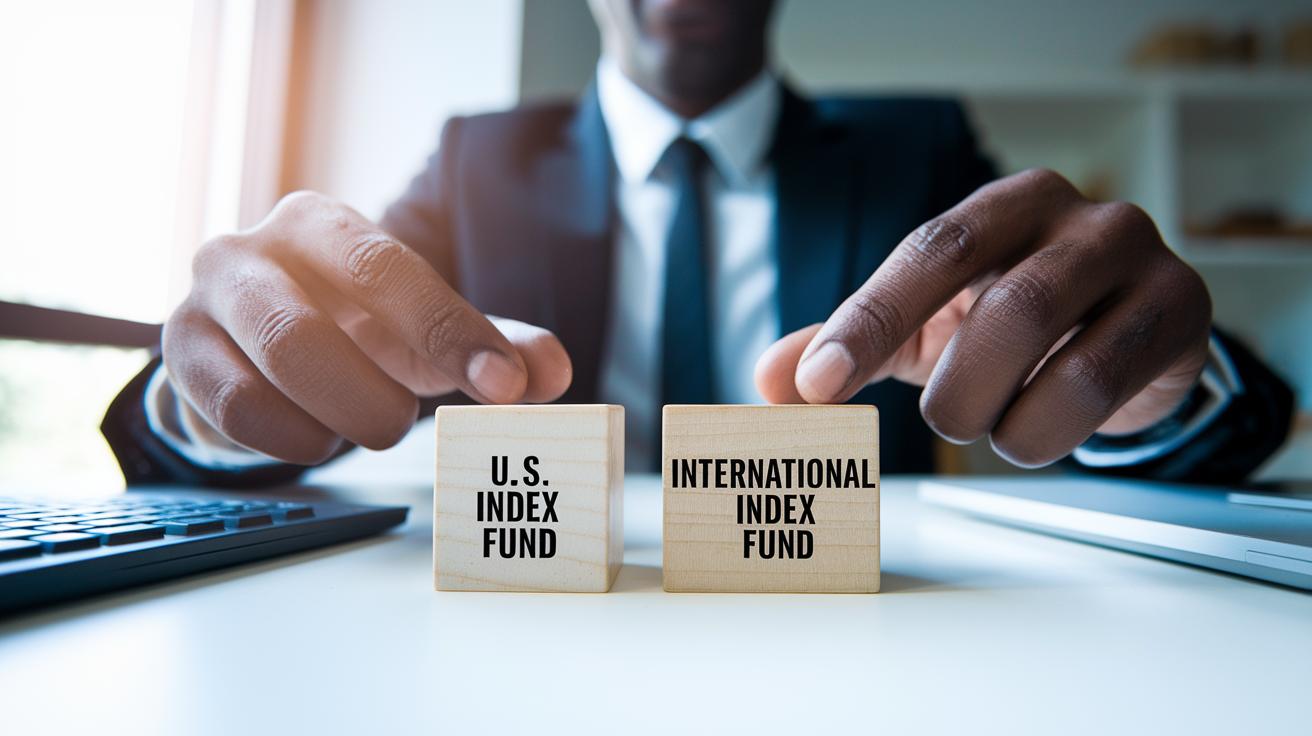
When you build a passive portfolio, low-cost index funds and ETFs form the steady foundation for long-term growth. Think of each one as a building block that fits into the larger market puzzle. By choosing both US and international index funds along with broad-market ETFs, you keep your investment simple while getting full market exposure at a low cost.
These funds usually charge fees between 0.03% and 0.20%, which is much lower than what actively managed mutual funds require. Lower fees mean more of your money stays with you instead of being eaten up by expenses. Imagine low-cost index funds as a gentle tap that slowly fills your savings over time. A quick tip: always check the fee percentage before you invest, because even a small fee difference can add up over time.
Diversification is another key strategy. Mixing different funds spreads out your risk by covering various sectors and markets. Picture your portfolio like a balanced meal where every ingredient plays a part in keeping it healthy. Combining funds that include large US companies with those that cover international markets can help smooth out the bumps along your investment journey.
If you're just starting out, taking a look at the basics can really help. Think of learning about investing like assembling a puzzle where each piece plays a role in making the whole picture clear.
Automated Asset Allocation in Passive Investing Strategies
Automated asset allocation tools, like robo-advisors and digital platforms, let you set clear targets for how your money is split among different investments while handling the everyday work. It’s a bit like programming your coffee maker to brew your perfect cup every morning, simple, reliable, and consistent.
These systems are designed to keep your investments on track. They use triggers to rebalance your portfolio, either on a set schedule or when things move beyond a certain point. Imagine a thermostat that keeps your home at a steady temperature; that's how these triggers work to prevent your portfolio from drifting away from your goals.
Many of these automated solutions also include smart tax strategies. Ideas like dividend reinvestment, where any money your investments make is automatically used to buy more shares, and tax-loss harvesting, which helps reduce your tax bill by managing losses, are built right in. With these features, you can leave the more complex calculations to the system and ease your mind about market timing.
In short, automated asset allocation brings modern technology and smart investing together to give you a steady, hands-off approach to growing your wealth.
Comparing ETFs and Index Mutual Funds for Passive Investing

ETFs and index mutual funds both give you a way to invest without constantly managing your portfolio, but they work differently. ETFs are traded like stocks during the day, so you can buy or sell them whenever the market is open. Index mutual funds, on the other hand, only complete trades at the end of the day when their value is set. Imagine being able to add to your portfolio at lunchtime, it's as easy as grabbing your favorite cup of coffee!
Another key difference is the minimum amount needed to start. With ETFs, you can begin with just one share, making it accessible if you're new to investing. Index mutual funds usually require a larger sum upfront, sometimes between $500 and $3,000. That extra requirement can be a hurdle if you're just getting started or prefer a smaller, simpler approach.
Expense ratios also tell a familiar story. Both ETFs and index mutual funds often have low fees, sometimes as little as 0.03%, though index mutual funds might occasionally be a bit higher. Think of the expense ratio as a small fee that gently lowers your overall return, a fee you’d want to keep as low as possible.
Finally, consider how each keeps track with the index. ETFs often use a sampling method, picking key stocks to mirror the index. Meanwhile, index mutual funds try to match the complete index exactly, like following a recipe to the letter. Your choice may ultimately depend on whether you prefer an approximate approach or an exact one when it comes to tracking the market.
Benefits and Drawbacks of Passive Investing Strategies
Passive investing keeps your costs low while letting your money grow steadily over time. It uses basic funds that follow the overall market, which means your investments are spread out over many assets. Think of it like a balanced meal, every part plays its role without one ingredient taking over.
This approach also smooths out the ups and downs of daily market changes. Over time, short-term fluctuations balance out, which makes it easier not to panic when things dip. It helps you stay on track with long-term goals like saving for retirement or paying for education.
But there are some challenges. Since passive strategies stick closely to market trends, they don’t adjust quickly when the market drops. This means you might still feel the impact of a downturn because the entire market moves together. If you’re looking for rapid gains or targeting specific sectors, this type of investing might not be the perfect fit.
Here are a few main points to think about:
- Low-cost approach that helps your money grow.
- Diversified exposure that balances market ups and downs.
- Limited flexibility during fast market changes.
Steps to Implement Your Passive Investing Strategy

Start by setting clear, long-term goals that serve as the blueprint for your financial freedom. Think of these goals as the plan that guides you, like mapping out a low-maintenance retirement strategy, knowing where you want to be helps you pick the best route.
Here’s how to build your passive investing plan:
- Set clear goals, like saving for retirement or funding education. This step acts as your roadmap for growing your wealth.
- Choose funds that fit your style. Look into a mix of domestic and international stocks, bonds, and even real estate. Imagine it like selecting the best ingredients for a balanced meal.
- Set up automatic contributions and plan to rebalance your portfolio every few months or annually. This method keeps your strategy on track without needing constant attention.
- Check your progress each year, and tweak your plan only if your goals or comfort with risk change.
Think of these steps as putting together a well-oiled machine that works for many years. Every piece you add helps build steady wealth while keeping your investing simple and focused on long-term security.
Final Words
In the action, we broke down how low-cost index funds, ETFs, and automated allocation tools work together to build a solid, diversified portfolio. The discussion covered the strengths and limits of a buy and hold approach, all keeping an eye on cost efficiency and long-term market tracking. The blog also compared various fund types, giving clear steps for those ready to launch their plan. With a friendly outlook and clear guidance, embracing passive investing strategies can set you on the path to steady financial growth.
FAQ
What are passive investing strategies for beginners?
Passive investing for beginners means buying and holding low-cost funds, like index funds or ETFs, that follow the market over the long run. This approach minimizes fees and helps avoid the stress of constant trading.
What is the goal of passive investing?
The goal of passive investing is to match overall market returns rather than beat them. Investors aim to lower costs and reduce the chance of emotional trading while enjoying steady market exposure.
Does passive investing carry lower or higher risk?
Passive investing is designed to offer lower risk by spreading investments across many stocks or funds. While it won’t protect from market downturns, it helps avoid errors from frequent trading and market timing.
What are some examples of passive investment strategies?
Examples of passive investment strategies include buying diversified index funds and ETFs that track entire markets. A buy-and-hold approach along with automated rebalancing can support long-term financial goals.
Who manages passive investment funds?
In passive investing, fund managers follow preset market indices. They stick to a buy-and-hold strategy that mirrors broad market performance, keeping management decisions consistent and simple.
What does passive investing mean?
Passive investing means purchasing investments for long-term holding so that your portfolio mirrors market performance. This strategy avoids frequent trading, focusing on low costs and steady growth over time.
How can I make $1,000 a month passively?
Making $1,000 a month passively usually comes from building a portfolio that generates regular income through dividends or interest. It takes time, careful planning, and the right mix of investments to reach that goal.
What is the 70/30 rule attributed to Warren Buffett?
The 70/30 rule suggests dividing investments with about 70% in safer, steady assets and 30% in growth-oriented options. This allocation balance helps meet both income and growth needs based on your risk profile.
What is the 10/5/3 rule of investment?
The 10/5/3 rule is a guideline for setting investment and saving targets. It typically advises allocating percentages of your funds for investing, saving, and spending reviews, though interpretations can vary among investors.