



Have you ever wondered which parts of the market can really boost your portfolio?
Lately, trends in technology and how people spend their money are giving some sectors a clear lift, while others are growing more slowly.
We studied past performance to find clues that smart investors can use to build strong portfolios.
Think of each market sector as a puzzle piece that, when joined together, shows a clear picture of positive trends.
Keep reading to see how these insights can guide your investment choices and help set the stage for better returns.
Sector Performance: Bright Trends for Smart Investments
When you check out returns from different sectors, you see how each piece of the market builds up the main index. They serve as little signals that help guide your portfolio and manage risk. By keeping an eye on yearly changes in sectors like Technology, Healthcare, and Financials, you learn how each one adds its own flavor during various economic times. Think of these returns like puzzle pieces, each showing where your money might work best over time.
This quarter, tools like heatmaps and stock screeners are showing that sectors such as Technology and Consumer Discretionary are making solid gains. On the other hand, areas like Energy and Materials have been slower, mainly due to the ups and downs in commodity prices. For example, while some sectors are full of innovation and growth, others face tougher challenges, nudging investors to reconsider where to put their focus.
Investors can rely on overall market breakdowns and detailed performance reports to help guide decisions. Looking at yearly business recaps and individual segment outcomes not only highlights past trends but also hints at what might come next. With data covering 31 sectors over the past ten years, including returns that assume reinvested earnings, you get a clear picture of which industries have held up well over time. This solid view of past performance can help investors fine-tune their portfolios, aligning their investments with market cycles and smart risk management.
Historical Sector Performance: Benchmarking Over Time

We looked at 10 years of S&P 500 sector returns to set up clear benchmarks that show how the market performed through its highs and lows. As of September 30, 2025, we compared the average yearly returns of different sectors to the overall market. This report helps spot trends that might affect today’s investment choices. Just remember, past performance isn’t a promise of future results.
| Sector | Average Annual Return (%) |
|---|---|
| Technology | 15.2 |
| Financials | 10.5 |
| Healthcare | 12.1 |
| Consumer Discretionary | 9.8 |
| Industrials | 8.7 |
The numbers reveal some clear trends. Technology leads with very strong returns, while Industrials and Consumer Discretionary tend to move in cycles. These shifts show how the market reacts to changes in the economy and investor mood. Although these benchmarks are useful, they only serve as reference points in a market that is always changing.
Industry-Specific Sector Performance Breakdown
Looking at different industry sections helps investors understand how various parts of the market make money. Analysts check quarterly changes using tools like heatmaps and stock screeners to rank these sectors. They study over 31 different types, showing which ones deliver steady returns and attractive yields during important times.
Banking and Financials
Banks and financial companies usually show steady returns, especially when interest rates change. Insider trading signals add an extra layer of insight, hinting that investors are cautiously optimistic. These trends help point out areas where you might find reliable income, even when the economy goes through ups and downs.
Technology and Communications
Companies in the technology and communications fields are buzzing with energy. Bright ideas from earnings calls and sparks of innovation are driving impressive growth this year. Investors see that rapid advances in digital services and telecom can boost performance. In fact, these fields often lead the way with new solutions in a fast-paced market.
Healthcare and Utilities
Healthcare and utility services are like safe havens in a rocky market. With stable dividend yields and steady operations, they offer a nice balance when other sectors might change quickly. The influence of rules and steady cash flows make these industries a smart choice for anyone looking to spread out risk.
Energy and Materials
The energy and materials sectors have a more up-and-down ride, often tied to changes in commodity prices. Recent reports show that when prices go up, these companies can improve their performance, even though they remain a bit unpredictable. Because of this cycle, investors tend to balance these riskier areas with more stable ones to create a well-rounded portfolio.
Tools and Indicators for Sector Performance Evaluation
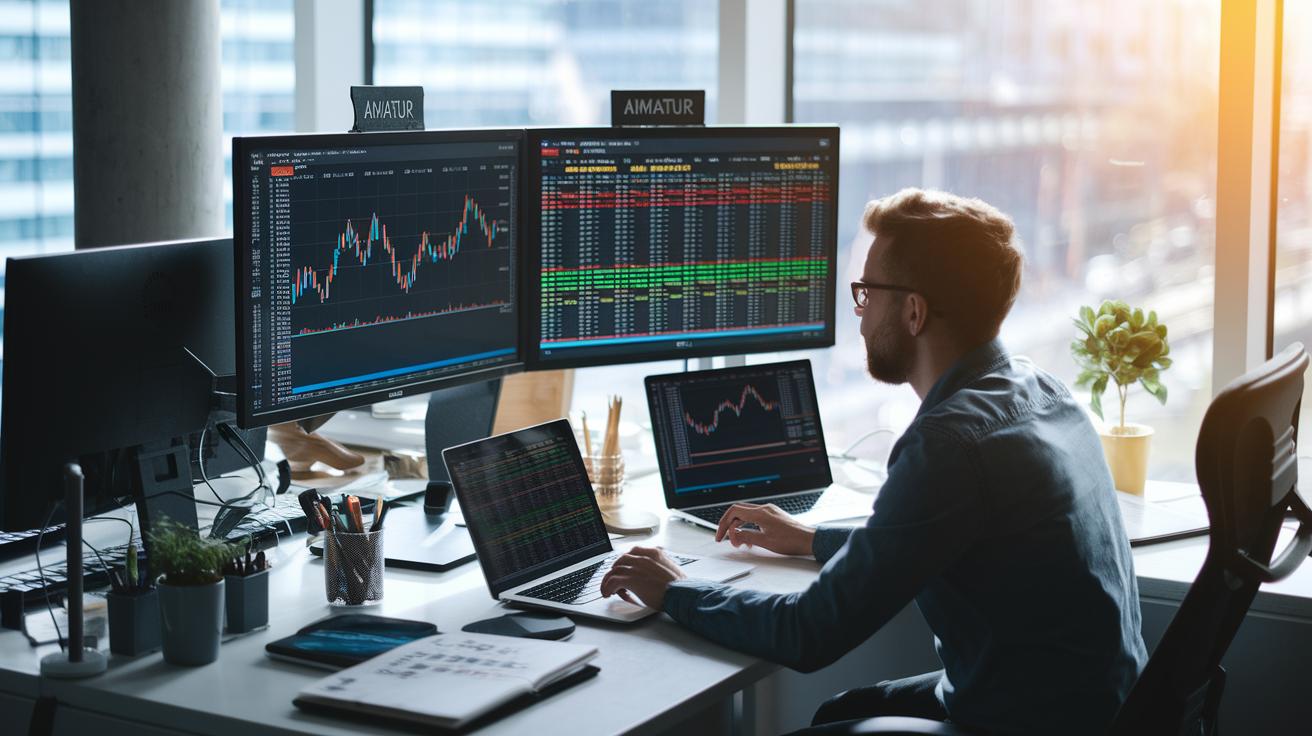
Investors today turn to trusted data sources like F&O Reports, Mutual Fund flows, Corporate Actions, and Market Results to gauge sector performance. These sources form the core of our market insight. Many folks use friendly dashboards with live stock screeners and heatmaps to see how 31-plus sectors are faring in real time. A quick glance at a heatmap can show you where strength is building or where things might be slowing down, much like checking your car’s dashboard to know when to speed up or ease off.
Extra layers of analysis make the picture even clearer. Tools like Trendlyne Baskets and Analyst Estimates compare current trends with past data, helping you spot momentum patterns. Even small changes in trading behavior and shifts in investor mood can signal new market moves. For instance, a fast look at financial market volatility and trend analysis (https://moneyrepo.com?p=980) can point out short-term changes that might affect your portfolio. Many investors also rely on financial analysis software (https://moneyrepo.com?p=432) to blend these details together, making it simpler to balance risk and reward with confidence.
Macroeconomic Drivers Shaping Sector Performance
Macroeconomic factors like interest rates, inflation, GDP growth, and unemployment all play a big role in how different sectors perform. When interest rates go up or down, companies change how much it costs to borrow money. And when inflation rises, it can cut into profit margins and change consumer spending habits. In these situations, sectors such as utilities and healthcare, often seen as defensive, can do better when the economy slows. Simply put, these economic indicators give us a clear snapshot of market moods.
Looking back at the past, we see strong links between economic cycles and which sectors lead the pack. For instance, technology and communication sectors often shine during periods of rapid growth. On the other hand, when growth is slower, utilities tend to deliver steady returns. Data shows that sectors benefiting from low interest rates usually perform well, whereas areas hurt by rising inflation often lag behind. It’s a reminder that familiar trends still guide which sectors come out on top.
And when we look ahead, forecast models help us catch clues about shifts in sector returns. Investors rely on these models to adjust their portfolios before economic conditions change. By comparing future economic signs with known historical patterns, they can pinpoint which sectors might perform strongly. Essentially, these forward projections act like a roadmap, linking upcoming economic movements to sector performance. This approach helps guide smart choices and paves the way for confident investment moves.
Leveraging Sector Performance for Investment Strategies

Investors can watch how different parts of the market perform to shape a balanced portfolio. When you pay attention to each sector, you can adjust your investments along with market cycles. This simple approach helps spread out your risk while taking advantage of areas showing strong energy. When a few sectors really stand out, they might offer good returns and boost your overall portfolio.
At the same time, using sector rotation lets you shift your investment dollars during the market's highs and lows. This helps you handle rough patches more easily and improve your returns by managing risk better. It’s a smart way to diversify while keeping your focus on the sectors that fit your financial plans.
Here are some tactics to consider:
- Timing your moves as the economy changes.
- Focusing on sectors expected to grow over the long run.
- Spreading risk evenly across different areas.
- Using both numbers-based analysis and basic business insights.
- Rebalancing your investments as the market mood shifts.
These tactics not only even out your market exposure, but also give you a clear way to compare risk profiles, using simple tools like the Sharpe ratio, which measures return for each unit of risk. By blending data signals with basic business facts, you build a solid strategy that can adjust to different market conditions. Keeping an eye on your investments and consulting a financial professional can give you extra confidence as you navigate market changes and seize promising trends.
Final Words
In the action of this post, we explored how annual reviews, historical benchmarks, and economic drivers shape the market. We broke down top and bottom sectors and examined key tools that reveal smart trends in sector performance. The insights on portfolio strategies and market signals show that even complex data can guide clear investment choices. Keep these ideas in mind as you build a more secure and growing financial future. Happy investing and keep your eye on new opportunities as the market unfolds.
FAQ
Q: What does sector performance mean?
A: The term sector performance means how different parts of the market are doing. It shows returns for industries like tech or energy, helping investors gauge overall market trends.
Q: What does sector perform rating mean?
A: The sector perform rating means a measured score that reflects each industry’s recent returns and market data. It guides investors in understanding which sectors are showing strength or weakness.
Q: Is sector performance a good indicator?
A: The idea that sector performance is a good indicator means it can reveal market trends. It shows which industries contribute most to growth, though it should be used with other analysis tools.
Q: What sectors are performing well today?
A: The question of what sectors are performing well today means monitoring live charts and reports. These insights highlight industries with strong returns, although daily performance can change quickly.
Q: What is a sector performance chart?
A: A sector performance chart means a visual tool that displays each industry’s returns over time. It helps investors compare trends using formats such as heatmaps and stock screeners.
Q: How do stock market sector performance measures by month, year, and YTD differ?
A: The view on monthly, yearly, and year-to-date sector performance means each period offers a different snapshot of market trends. Short-term charts capture daily shifts, while longer periods show broader trends.