22.1 C
Los Angeles
Monday, June 1, 2026

What Is A Good Credit Score: Financial Wins

Understanding what is a good credit score can reshape your financial future. But wait, could one hidden factor tip the scales?

Are Robo Advisors Worth It: A Smart Choice

Curious if robo advisors truly deliver value compared to human advice? The analysis reveals surprises that may change your perspective...

Robo Advisor: Smart, Safe, Automated Investing

Curious how a robo advisor revolutionizes investing with automated precision and surprisingly lower fees, could it completely redefine your financial future?
Home Blog Page 2

Budget Planning Worksheet Sparks Effortless Money Management

0

Have you ever wondered if a simple worksheet could change the way you handle your money? Our budget planning tool turns your spending into an easy-to-read guide. It’s a lot like following your favorite recipe: step by step, you mix your income, expenses, and savings to find the perfect balance. This free tool gives you a clear plan, making money tracking feel almost fun and totally doable. Read on to see how a small worksheet can bring big changes to your cash habits.

Download Your Printable Budget Planning Worksheet

Ready to take control of your money? With our free budget planning worksheet, managing your spending becomes a breeze. It’s available as a PDF or a spreadsheet, so you can choose the version that works best for you.

The worksheet guides you step by step, like jotting down your favorite recipe, starting with entering your monthly income and listing your main expenses. This way, setting up your monthly plan feels natural and easy.

The layout uses the 50/30/20 rule to split your income into essentials, fun spending, and savings. If you need a different approach, there’s also a 60/30/10 option for those with tighter budgets or unique priorities. Whether you’re planning for personal use or a small business, this spending log helps you track everyday costs like rent, groceries, and insurance while keeping non-essential expenses in check.

With this downloadable planner, you can review trends and adjust your habits each month. Imagine watching your finances come together in a simple, clear way – it’s designed to help you make smart, confident money choices.

Customizing Your Budget Planning Worksheet for Your Unique Needs

img-1.jpg

Imagine your budget worksheet turning into a tool that really gets your personal money habits. You can design it just like a household expense tracker, changing every part to fit your spending style and money goals. Maybe you like a zero-based approach where every dollar is assigned a role, or perhaps a cash-envelope method suits you better if you enjoy dividing your cash among different needs. If you prefer keeping things simple, you might use the pay-yourself-first method, saving a bit before spending. Try this out: set aside a small amount for an emergency fund and see how that tiny change can refresh your whole monthly plan.

Customize your worksheet even further by renaming your categories to match what’s truly important in your life. Instead of using a basic term like “essentials,” list details like rent, groceries, and utilities. You can also create a dedicated section for savings goals, whether it’s for a retirement plan or that rainy day fund. If you work on Google Sheets, why not add extra tabs for different accounts or even for various parts of your business? Use colors to highlight different spending areas and adjust formulas so your worksheet updates your costs in real time.

For instance, with a personal spending tracker, you could set up a special tab just for travel expenses or for your entertainment spending. This kind of personalization makes your worksheet more than just a list, it becomes an easy-to-use guide that keeps you on track and makes managing your money feel personal and effortless.

Step-by-Step Instructions for Completing Your Budget Planning Worksheet

Start with a fresh spreadsheet where you list your monthly income and all your expenses. Begin by writing down the total money you receive each month and then create simple categories for both income and spending. If you need ideas on how to split these, check out our guide on how to budget.

Once your basic setup is ready, pick a budgeting method and follow its steps. For instance, if you go with the zero-based approach, every dollar from a $3,000 income gets a purpose, even if that means setting aside an extra $200 for non-essential spending. Make sure to record these amounts in your tracker so every dollar has a clear role.

If you like the pay-yourself-first method, start by putting aside $300 for retirement and $100 for an emergency fund. Only then, list your remaining expenses like housing, groceries, and utilities. This way, saving happens before any extra spending.

Another option is to use the cash-envelope strategy. Here, you divide your funds into specific categories on your worksheet, just like the old envelope system. If you set aside money for dining out or entertainment, your sheet helps you stick to those limits.

Your worksheet also includes handy formulas that compare what you planned to spend with what you actually did. For example, if you planned to spend $200 on extras but ended up spending $250, the tool will show you the difference right away. This makes it easy to adjust your spending and customize your budget to fit your needs.

Comparing Budget Planning Worksheet Formats: Excel, PDF, and Google Sheets

img-2.jpg

When you manage your money, the right template can make a big difference. Each option brings its own set of perks. Below is a simple comparison to help you choose which tool fits your personal or small business needs best.

Format Key Features Best Use Case
Excel Built-in formulas, interactive charts, and a 12-month cash flow overview Perfect for hands-on users who need rich data details and visual trends
PDF Designed for printing with simple manual entry Great if you want a hard copy to review offline
Google Sheets Enables easy collaboration, real-time updates, and mobile access Ideal for those working on multiple devices and sharing with a team

Each option is tailored to different financial management styles. Excel offers a strong set of tools if you enjoy working with numbers and clear visual displays. PDF is the go-to when you need a ready-to-print expense summary for your files. Meanwhile, Google Sheets stands out with its flexibility and ease of sharing, making it a solid pick if you’re often on the move or collaborating with others.

Think about your daily routine. If interactive charts and dynamic data drive your planning, Excel might be the one for you. If a printed summary feels more secure, opt for PDF. And if staying connected online sounds best, Google Sheets is worth a try.

Essential Tips for Effective Budget Planning Worksheet Management

The 50/30/20 rule is a great starting point, but life can throw curveballs like high winter heating bills that may require a quick adjustment. If you suddenly face a steep bill, your usual spending plan might need a temporary shift.

When you set up your money management worksheet, it’s a smart move to stay flexible. In months with extra expenses, think car repairs in spring or extra holiday spending, you can shuffle funds between essentials, savings, and fun money. For example, if an unexpected repair pops up, you might dial back the usual 20% savings for that month and catch up later.

Keep a close eye on seasonal changes by jotting down monthly spending differences. By comparing current bills with past months, you can spot trends and adjust your plan accordingly. So if your grocery bills tend to rise during summer, you know it's time to tweak those percentages.

Season Tip
Winter Watch for higher heating or repair costs and adjust your essential spending as needed.
Summer Expect higher grocery or travel expenses and update your worksheet accordingly.

Advanced Budget Planning Worksheet Features: Cash Flow and Spending Analysis Tools

img-3.jpg

Our advanced worksheet makes it easy to track your monthly cash flow by automatically calculating what comes in and what goes out. It’s like having a smart system that updates itself every time you add a new expense or income, giving you a clear view of your money without any extra steps.

This spending planner simplifies tracking your everyday costs. It alerts you when your spending goes over budget and even helps guess how much cash you might need later. Think of it as looking after a garden, spotting where things are thriving and where a little extra care might be needed.

You also get interactive dashboards that break down your spending in neat charts and tables. These dashboards act like a scorecard, showing you at a glance whether you’re sticking to your plan or if it might be time to make some changes.

Plus, the income and outlay spreadsheet gives you a close look at how every dollar is used. For instance, if you notice a sudden rise in leisure spending on a chart, it might be a good reminder to check if those funds match your money goals. This detailed view keeps you in touch with your financial health at all times.

Final Words

In the action, we broke down a simple guide for using a budget planning worksheet that helps track both income and expenses.

We looked at a free financial planning sheet that shows two budgeting methods and how to pick the right one for your needs.

You saw how formats like Excel, PDF, and Google Sheets can work for any budget.

By using this tool, you get clear steps to keep your spending in check and move forward with greater confidence for a secure financial future.

FAQ

What is a budget planning worksheet PDF?

A budget planning worksheet PDF is a printable document that helps you track your income, expenses, and savings. It provides a clear format to manage personal or small business finances.

What is a simple budget planning worksheet or PDF free download?

A simple budget planning worksheet PDF free download offers an easy-to-use template that assists you in recording monthly income and spending. It’s designed for quick and effective money tracking.

What is the best budget planner spreadsheet?

The best budget planner spreadsheet features automated calculations, clear charts, and easy customization. It adapts to personal or small business needs for balanced and effective budgeting.

What does the 50/30/20 rule on a budget template refer to?

The 50/30/20 rule means dividing income into 50% for essentials, 30% for discretionary costs, and 20% for savings. It provides a balanced way to manage expenses and savings.

What is the 70/20/10 budget rule?

The 70/20/10 budget rule means allocating 70% of income to living expenses, 20% to savings or investments, and 10% to debt repayment or extra spending. It offers another method for financial planning.

Is there a budget planner available in Excel?

A budget planner in Excel includes built-in formulas, interactive visuals, and flexible layouts. It makes tracking income and expenses simple, helping you organize your finances effectively.


Fintech Ventures Fund Fuels Bright Startup Wins

0

Ever wondered how a small amount of money can kick off a startup’s success? Fintech Ventures Fund is all about helping early money managers get started. They write checks from $250,000 to $750,000 and offer live Q&A sessions, investor profiles, and trusted vendor advice to support new founders.

Based in New York, they show that smart investments paired with a tight-knit community can change how financial services work. Keep reading to see how thoughtful financial support is reshaping the fintech world.

Fintech Ventures Fund: Strategic Overview & Performance Metrics

Fintech Ventures Fund focuses on early-stage fintech and insurtech companies. They mainly invest in Seed and Pre-Seed rounds. Based in New York, the fund usually writes checks between $250K and $750K. They back founders who are reshaping how we handle money through new ideas.

The fund is about more than just cash. They build a strong community by hosting live Q&A sessions, sharing investor profiles, and offering trusted vendor advice to help founders make smart choices.

Aspect Details
Investment Stage Seed & Pre-Seed Rounds
Location New York, NY
Check Size $250K–$750K per deal
Community Support Live Q&A sessions, investor profiles, and vendor recommendations
Lead Financing Led deals like Finster AI Series A on October 20, 2025

Looking at the numbers, the fund is growing steadily. Their portfolio shows good growth and strong average valuation rounds, which means many investments sell for a nice profit. They keep a close eye on important metrics like IRR (a simple way to see how fast your money grows) and overall fund size. With some impressive exits under their belt, Fintech Ventures Fund stands out as a trusted partner for startups aiming to change financial services.

Structuring a Fintech Ventures Fund: Criteria & Check Sizes

img-1.jpg

We built our fund on an LLLP legal structure that keeps investors safe while letting our managers make fast, smart calls, kind of like tweaking a recipe until it tastes just right.

Fintech Ventures Fund is all about supporting early-stage fintech and insurtech startups, especially during Seed and Pre-Seed rounds. Operating out of New York, a bustling financial hub, we typically invest between $250,000 and $750,000 to help these ventures grow.

Our approach is very community-driven. Founders get a chance to answer questions directly, and their peers also pitch in with feedback. This open dialogue helps everyone understand the opportunities better before we make any final decisions.

Fintech ventures fund fuels bright startup wins

The fund spreads its money across different parts of the fintech world, giving startups the boost they need to shine. It mixes direct stock investments with convertible notes, which are like short-term loans that can turn into stock later, so startups get help now and in the future. This flexible plan means the fund can back companies at different stages of their growth. And, it even invites its community partners to join in the investment, letting limited partners and strategic allies invest alongside the main team. They also offer expert Q&A sessions and carefully check potential vendors, making sure every deal gets solid, up-to-date insights and real market feedback.

Instrument Percentage Allocation Typical Check Size
Equity 50% $250K–$750K
Convertible Notes 20% $300K–$500K
Co-Investment 15% $100K–$400K
Follow-On Reserves 15% Variable

Looking at the numbers, you can see that equity makes up the biggest part of the fund’s portfolio. That shows a strong commitment to owning a slice of fast-growing companies. Convertible notes, which hold a solid 20%, give startups a safe path to switch that money into stock as they begin to show success. The smaller shares set aside for co-investment and follow-on reserves show that the fund values community involvement and long-term support for the best performers. All in all, this mix of strategies lets the fund use a variety of financial tools, balancing risk and reward by teaming up with a wide network of partners.

img-2.jpg

Global fintech investments reached a record high in 2023, with more than $120 billion in total funding. Seed and early-stage rounds jumped by 35% compared to last year. This growth shows that investors believe new financial technologies have real potential.

Digital banking, payment systems, insurtech, and embedded finance are drawing plenty of interest. Startups in these fields are solving everyday money problems and changing the way we transact. For example, digital banking innovations make it easier to manage your account, while new payment systems offer faster and more secure transactions that fit right into our daily lives.

Changes in regulations, like PSD2 and open banking rules, are also shaping the market. These rules help traditional banks and fintech companies work together and create a friendly space for new financial products. This clear guidance builds trust in emerging technologies, and it keeps influencing how funds perform and how they back innovative startups.

Fintech Ventures Fund Case Studies & Portfolio Profiles

Case studies show real-life success stories. They give you a clear look at how different companies grow and secure a strong place in the market. By exploring these profiles, you can see how Fintech Ventures Fund supports businesses that want to make everyday finance better.

Vestwell: A Fintech Engine for SMBs & Consumers

Vestwell helps both small businesses and individual savers thrive. With over 1 million savers and 50,000 companies on board, Vestwell uses its own trusted technology to manage $30 billion in assets. Think of it like setting up a reliable savings plan that really works for everyday people and entrepreneurs alike.

Simetrik: Global Payments Infrastructure

Simetrik makes it easier for companies to handle money across borders. Operating in more than 40 countries, its automation tools simplify the way businesses manage payments. By streamlining these processes, companies save time and money, letting them focus on growth in today’s fast-paced digital world.

Across these examples, you see a pattern of success. Vestwell’s strong tech foundation and robust asset management mix well with Simetrik’s smooth handling of cross-border payments. Other companies in the portfolio, like Mondu, Flutterwave, and Anyfin, share a common story: using innovative technology and smart processes to grow quickly in today’s competitive market. This careful blend of practical tech, a clear market focus, and solid support is what gives startups a real boost with Fintech Ventures Fund.

Collaboration Opportunities for Fintech Startups & Investors with Fintech Ventures Fund

img-3.jpg

The fund hosts regular events that help innovative founders meet experienced investors. You might join a virtual roundtable or a friendly community gathering where everyone is encouraged to chat, ask questions, and share ideas. It’s a relaxed setting where valuable connections blossom naturally.

The platform is designed to make networking easy. It shows detailed profiles of investors and links founders with important vendor partners and co-investor groups. Fintech startups can use special features to polish their pitches and connect with potential backers. Think of it as a launching pad that uses real market feedback and shared experiences to help secure more funding.

Founders also get helpful advice on getting their pitches ready and understanding the nitty-gritty of due diligence. The fund provides clear, step-by-step tips from experts so entrepreneurs can feel confident when talking through complex investment matters. These practical insights are meant to help startups clearly present their ideas and build smart, lasting partnerships for growth.

Regulatory and Operational Considerations for Fintech Ventures Fund

Our fund follows clear, established rules. We stick to SEC guidelines and meet state fintech licensing requirements, including standards set by NYDFS. This means we keep a close watch on how we handle money and manage our business. We also mix in fresh ideas from experts in banking innovation to shape our rules and keep our practices in line with today’s standards.

We take our partnerships seriously. Every time we consider a new startup for our portfolio, we run thorough checks using know-your-customer and anti-money-laundering (AML) processes. This hands-on screening helps us confirm each partner's identity and trustworthiness, keeping risks low and our investments safe.

We also monitor our portfolio in real-time and share open, straightforward reports to keep you informed. We review the fund's performance regularly and work with open banking rules like PSD2 (a rule that lets banks share account information securely) to adjust our strategies as market conditions change. This practical approach is all about protecting everyone involved while staying flexible in a changing industry.

Final Words

in the action, we explored how the fintech ventures fund combines early-stage investments with smart community support and clear performance metrics. We broke down the fund's mission, its capital allocation, and market trends that drive its growth.

This recap highlights the fund’s focus on regulatory soundness, investor insight, and a clear pathway to financial security. Every detail shows how thoughtful strategies can lead to stronger financial outcomes. A bright future awaits with the fintech ventures fund.

FAQ

What does fintech ventures fund performance entail?

Fintech ventures fund performance refers to portfolio growth, average valuations, and exit multiples. It involves investing in early-stage fintech and insurtech companies to drive innovation and generate returns.

What are the top fintech venture capital firms and funds?

Top fintech venture capital firms and funds include names like CFV Ventures and fintech collective fund ii. They support early-stage companies in fintech and offer robust seed funding channels.

What is a fintech venture?

A fintech venture involves investing in startups that use technology to improve financial services. These ventures focus on innovative ways to manage money and insurance through digital solutions.

What is a fintech fund?

A fintech fund is a pool of investments aimed at supporting digital finance startups. It provides capital to early-stage fintech companies seeking to transform traditional financial methods.

What is the best fintech ETF?

The best fintech ETF tracks leading digital finance companies and innovative trends in technology. It offers diversified exposure for investors looking to access emerging fintech growth across multiple market segments.

How do fintech startups get funding?

Fintech startups secure funding through seed rounds, venture capital, and community-driven selection processes. Founders often leverage networking events, Q&A sessions, and detailed pitch guidance to attract early-stage investments.

Economic Outlook 2025 Fuels Growth Optimism

0

Ever thought about how the economy in 2025 might bring big changes to our lives? It’s a bit like a sports team finally getting its rhythm after a tough season. Many experts say we could see steady growth thanks to smarter government spending and new trade deals. This growth could boost investor confidence and create a more stable everyday life. Let’s take a closer look at how these smart changes are paving the way for a brighter financial future for everyone.

Global Economic Prospects for 2025: Projected Growth and Key Drivers

Looking ahead to 2025, the world economy appears steady and on track. Last year, global GDP grew by 2.8%, and it's expected to slow slightly to 2.6% this year, dipping further to 2.5% in 2026. The IMF now projects that real GDP across 191 countries will hit about 3.2% in 2025. This steady progress comes from governments and central banks adjusting trade rules and fiscal strategies to handle global tensions and a more cautious market vibe. Many economists believe that fresh reforms and policy tweaks are behind this renewed pace of economic activity. Fun fact: before emerging markets gained popularity, they achieved growth rates that sparked multiple innovations, even when traditional economic giants were slowing down.

A closer look at the numbers shows that many countries are using a mix of strong government spending and increased consumer purchases to boost their economies. Worldwide, changes in trade rules, updated supply chains, and new reform plans are helping to improve both technology and infrastructure. For investors, the outlook for 2025 mixes cautious optimism with thoughtful, measured steps toward long-lasting stability.

Year GDP Growth Key Drivers
2024 2.8% Post-tension stabilization
2025 2.6% Policy adjustments and cautious trade
2026 2.5% Sustained reform efforts

All these pieces of information boost confidence, showing that careful global adjustments are setting the stage for steady, positive growth in 2025.

U.S. Growth Predictions 2025: Scenarios and Economic Drivers

img-1.jpg

The U.S. economy is expected to grow by just over 2% next year, and experts have explored three different paths that might shape this trend. In the main scenario, new trade rules could lower tariffs from 18.6% to around 15% by mid-2026. This gradual change helps steady consumer spending and boosts business growth. Think of it like saving a little bit every day, a small change that makes a big difference over time.

Real personal spending has increased by 1.6% on a yearly basis. Meanwhile, the housing market shows some interesting trends. Mortgage rates have slipped from 7% to about 6.7%, and the 30-year Treasury yield has stayed above 4.8%. Although monthly job gains have dipped to around 30,000 and the unemployment rate remains at 4.3%, these signals suggest that both the housing and consumer sectors could cushion the overall economy against tougher pressures.

Below is a snapshot of the trade and migration scenarios shaping the outlook:

Scenario Tariff Rate Migration Impact
Baseline 15% by mid-2026 Stable
Downside ~20% Zero
Upside ~7.5% by end-2026 +1.4 million by 2030

All these scenarios show that trade policies, migration shifts, and changing consumer habits are coming together to form a cautiously optimistic view for 2025.

Regional Growth Outlook 2025: China, Eurozone, India and Emerging Markets

China's growth is expected to slow a bit, settling on 4.6% in 2025. Policy tweaks and market pressures are nudging the economy to take a more cautious pace. It’s like easing off the gas when you hit a tricky patch on the road. Here’s an interesting tidbit: even a big player like China taps the brakes when changes come their way.

In the Eurozone, growth is predicted to be gentle. Contributions to the economy are estimated at 0.9% in 2025, inching up to 1.4% in 2026. This steady pace comes as countries work to balance post-pandemic plans with budget challenges, think of it as a boat slowly moving along a narrow, calm channel.

On the bright side, emerging markets are looking vibrant. India, for example, is anticipated to grow by more than 6% in 2025 thanks to smart policies and a young workforce ready to drive change. Overall, emerging regions are buzzing with energy, led by active markets and consumers who are eager to push for progress.

Consider Malta as a real-life case. The nation grew by 6% in 2024, but expectations suggest a shift to around 4% growth over the next two years. In the first quarter of 2025, Malta's growth came in at 3.0%, a slight dip from 3.1% at the end of 2024. This small change reflects the challenges faced by more mature economies, even as emerging markets continue to build momentum.

economic outlook 2025 Fuels Growth Optimism

img-2.jpg

In Malta during the first quarter of 2025, restaurants and hotels grew by 17% compared to last year. Picture it like this: a restaurant seeing nearly a 20% jump in business even when other areas, like personal care, weren’t doing as well. It shows that what people want can really differ from one industry to another.

The education sector grew by 13% and communication by 11%, with housing and energy also making gains. Think of it like adding the right seasoning to a meal, education is boosting skills the way a key spice can make a dish pop.

Financial and insurance services made a big leap, raising their share of economic output from 1.5% to 10.6%. Wholesale and retail also enjoyed an 8.5% increase. On the other hand, even though the tech or ICT sector is back on track, construction and manufacturing have been a bit slow. This mix of successes and slowdowns paints a picture of an economy full of ups and downs.

Despite these shifts, the amount of money each person spends stayed steady at around €3,750. This steady spending shows us that people remain resilient, even when some industries aren’t performing as well. Overall, these varied results give us hope that a few strong growth drivers will continue to lift the broader economic outlook in 2025.

Inflation, Labor Market, and Consumer Confidence in the 2025 Outlook

Inflation in 2025 is on the rise. The headline Consumer Price Index (CPI) reached 2.7% in July, the highest it has been since February, and the core CPI is steady at 3.1%. This means everyday prices are increasing, much like noticing that your favorite snack now costs a little more than it did last summer.

The job market is feeling the pressure too. Average monthly gains in nonfarm payrolls are down to about 30,000 through August 2025 compared to 168,000 in 2024. Even though the unemployment rate is holding at 4.3%, fewer new jobs suggest that many employers might be holding back on hiring. It’s easy to wonder how this change might make families adjust their spending.

Consumer confidence is showing mixed signals this year. In Malta, the Economic Sentiment Indicator slipped in early 2025, hinting that people there are less upbeat about the near future. At the same time, the Employment Expectation Indicator barely rises above its long-term average, suggesting that while some hope remains for new jobs, there are still worries. To add another perspective, think about how people work around the globe:

Country Average Workweek Hours
Bhutan 54.5
United States 36.1
Netherlands 26.8

These differences in work hours show just how varied everyday lives can be, which in turn may affect how much people spend and save.

Policy Implications and Risk Factors in the Economic Outlook 2025

img-3.jpg

Fiscal policy changes and trade battles are setting up a tough year ahead. New U.S. tax laws could add around US$3.4 trillion to the federal deficit over the next decade, and when you include interest payments, that number jumps to nearly US$4.1 trillion. It’s a bit like planning your household budget and suddenly discovering an unexpected bill that forces you to rethink your savings.

Monetary factors are also playing a big role. Since early August 2025, the yield on a 30-year U.S. Treasury bond has stayed above 4.8%. The Fed is working hard to keep inflation at or below 2%, but it’s a delicate task. Think of it like a local shop owner adjusting prices as the cost of goods slowly rises, small tweaks that eventually affect the whole community.

Trade disputes are adding another layer of uncertainty. A recent appeals court decision ruled some tariffs illegal, and now the Supreme Court is set to review the case on November 5, 2025. These back-and-forth legal moves have markets on edge. Analysts are considering several scenarios, some where tariffs ease off and others where rates remain high along with slower migration, each of which could change the economic outlook in its own way.

Interest rate forecasts are also unpredictable. With all these policy shifts and trade issues coming together, investors and everyday consumers find themselves in a complex environment. The way fiscal measures and market reactions interact keeps altering spending, borrowing, and growth expectations all the time.

Final Words

In the action, we reviewed global trends and U.S. scenarios shaping the market for 2025. We looked at how regional markets and key sectors are performing, along with shifts in inflation, labor, and consumer confidence.

This article tied these factors together to form a clear picture of the economic outlook 2025. It leaves you with hope and confidence in making smart financial moves on a solid foundation.

FAQ

What does the economic outlook for 2025 predict?

The economic forecast for 2025 predicts moderate global GDP growth with figures ranging between roughly 2.6% and 3.2%, reflecting differing strengths across various regions based on leading reports.

What resources can provide details on the 2025 economic outlook?

The 2025 outlook is detailed in resources like the IMF World Economic Outlook reports and country-specific analysis PDFs, which offer updated projections and key growth drivers.

What is the economic forecast for the USA in 2025?

The USA forecast for 2025 expects GDP growth just over 2%, influenced by trade policy shifts, consumer spending patterns, and housing market trends, with scenario-based variations.

Is a recession expected in 2025?

The outlook does not broadly predict a recession in 2025; while some downside scenarios suggest slower growth, overall economic forecasts lean toward moderate expansion rather than a downturn.

How will the stock market perform in 2025?

The stock market in 2025 is expected to show moderate gains; performance will likely be influenced by fiscal policy shifts, trade adjustments, and changing consumer sentiment.

Which country is expected to have the strongest economy in 2025?

The strongest economy in 2025 is likely among top global players like the USA and China, with some emerging markets, such as India, showing robust growth based on emerging trends.

Where can I find economic outlook by country for 2025?

Detailed country-specific outlooks for 2025 are available in IMF reports and related PDFs, which offer insight into diverse growth forecasts and regional economic performance.

Equity Research: Smart Financial Insights

0

Have you ever thought that real smart investing might be more than just looking at stock numbers? Equity research is more than crunching numbers; it’s about really understanding what makes a company tick, its strong points as well as its risks. When you dig into a company’s financial results and market trends, you uncover hints of future growth. In this post, we explain how blending a company’s unique story with solid data can help you make smarter moves in the market. Stick around and see how clear insights can lead to better investment decisions.

Equity Research: Smart Financial Insights

Equity research is a deep look into a company’s shares using its financial numbers and market standing. The goal is to give investors clear insights so they can make smart decisions. Analysts check current results and predict future growth to find the true value of a company and spot good chances to invest.

In practice, equity research means digging into financial statements, estimating future earnings, figuring out what a share is really worth, and weighing different investment risks. Each step shows how well a company might earn money and handle risks over time. It builds a strong base for making wise investment choices.

This thorough approach also helps explain market trends and find stocks that might be priced too low or too high. Analysts use past performance and current market shifts to see how a company stands up against its competitors. These insights help in putting together a mix of investments that can manage short-term ups and downs while aiming for long-term growth.

Global trends also matter. By watching economic cycles, international events, and cross-border investments, analysts update their advice to match today’s fast-changing market. Staying on top of these trends means investors get advice that truly fits the current financial world.

Equity Research Methodologies and Valuation Techniques

img-1.jpg

When investors look at stocks, they mix two ideas: one that tells the company’s story and another that focuses on solid numbers. The story side, or qualitative research, dives into things like how good the management is or what trends are shaping the industry. This view paints a picture of what might happen down the road. On the other side, quantitative methods work with actual figures from financial reports and simple ratio checks that tell you how healthy a company is. Think of the qualitative part as the narrative behind the numbers, while the quantitative part gives you the hard facts.

  • Discounted Cash Flow Model
  • Comparable Companies Analysis
  • Sum-of-the-Parts Valuation
  • Residual Income Model
  • Earnings Outlook Review

Different methods work best for different types of companies. For example, a fast-growing business with new ideas might be best examined with a Discounted Cash Flow Model to predict future cash flows. Meanwhile, well-established companies with a steady track record can be compared with their industry peers using Comparable Companies Analysis. Imagine checking out a renewable energy startup with the Residual Income Model – it looks at both current earnings and future promise. Each technique matches the company’s unique financial style and strategy, offering a custom way to look at investment options.

Finding the right balance means mixing strategies that aim for extra returns beyond the usual market gains with measures that show how much a company’s returns might bounce with market ups and downs. This blend helps analysts keep risks in check while still looking for ways to outperform the market.

Industry and Peer Analysis in Equity Research

Industry analysis is important because it shows investors what really drives different sectors. In today’s market, many investors use sector rotation strategies, which means they shift their focus to the industries that look set to do well based on economic trends and how consumers are behaving.

Industry Key Drivers Primary Metrics
Technology Innovation, R&D investments Revenue growth, Market share
Healthcare Regulatory changes, Patent expirations Earnings growth, Expense ratios
Consumer Goods Brand loyalty, Supply chain efficiency Profit margins, Sales volume

Looking at companies side-by-side, or peer comparison studies, really sharpens how we measure stocks. By comparing businesses in the same industry, analysts can point out who has a competitive edge and where others fall short. They also check broader factors like employment figures and overall economic health to get a complete picture. This way, the methods for evaluating stocks become both detailed and balanced.

Adding specific market numbers into the mix gives another level of insight. These diagnostic metrics quickly show how the market is performing and help set the stage for understanding future earnings.

Structure and Elements of an Equity Research Report

img-2.jpg

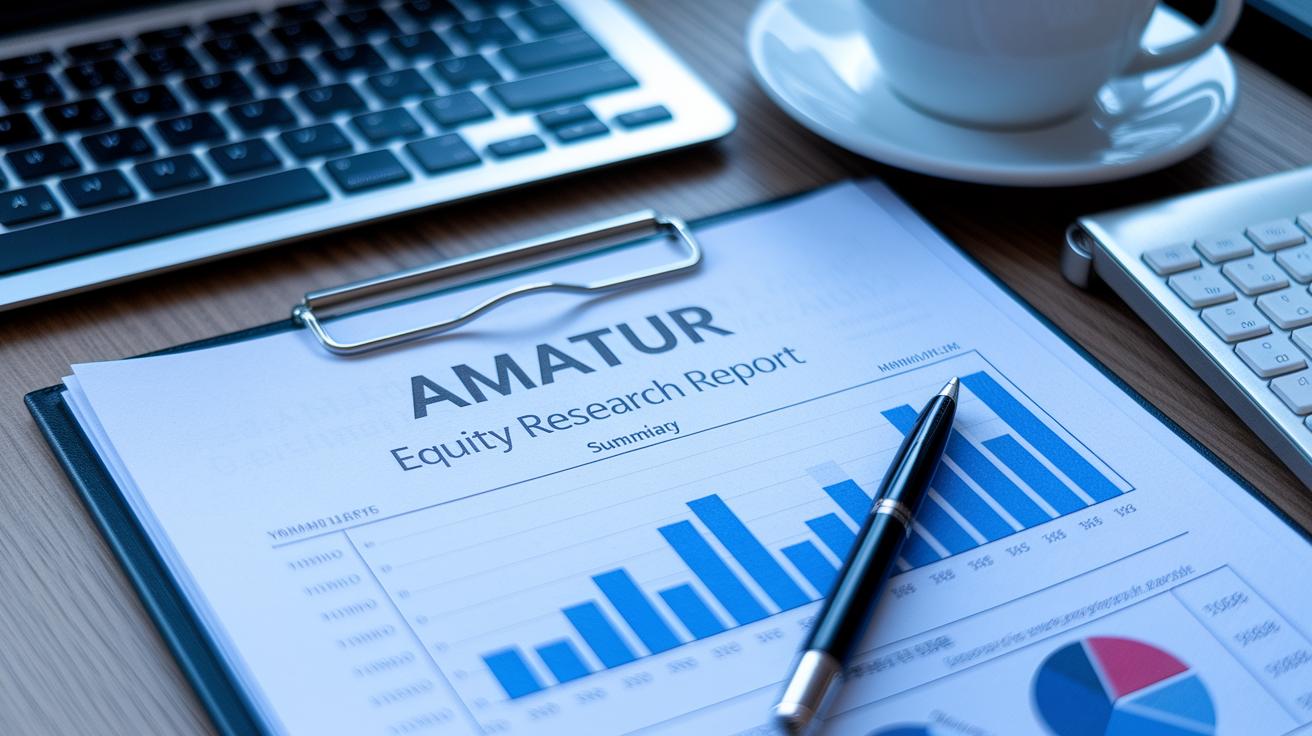
Equity research reports start with an introduction that sets the scene. You begin with a title page that tells you what the report is all about, a brief summary that gives you the main ideas, and an investment thesis that explains the key reason behind the report. For example, the summary might say, "This report shows that strong cash flow and innovation are driving steady growth." It’s like getting a snapshot before diving deeper.

The heart of the report is in the main sections. First, a company overview explains what the business does, where it stands in the market, and what makes it strong. This background helps make sense of the numbers later on. Then, the detailed financial analysis goes over important figures from the company’s records, while valuation methods check if the stock is fairly priced. There’s also a section that talks about risks, covering anything from market ups and downs to everyday operational challenges. This part makes sure you see the whole picture before making any decisions.

Finally, the report is rounded out by appendices that add more details. These extra sections might include tables comparing peers, key assumptions used in financial models, or complete industry report compilations that back up the main analysis. Think of it as a toolbox that gives you extra support and shows that every part of the report is built to be clear and reliable.

Career Path for Equity Research Analysts

If you want to step into equity research, you need to learn a few basics. This means getting comfortable with reading financial statements (think of them as a company’s report card), understanding how to value a company, and spotting key market signals. These skills are like having a handy toolbox to check a company’s financial health, and they form the core of smart investment analysis.

Starting out usually means taking entry-level roles. Fresh graduates can jump into internships at banks, specialized research firms, or smaller boutique companies. When you’re applying, be ready to share clear examples of projects you’ve worked on, especially ones where you analyzed a company. A hands-on approach and a good eye for numbers can really help you stand out in a busy job market.

Certifications also add a lot of value to your profile. Many hopefuls earn credentials like the CFA, attend valuation workshops, or complete online courses to boost their investment skills. These certificates not only sharpen your technical know-how but also show employers that you’re committed to making equity research your career.

As your career grows, you might find yourself in roles like sell-side jobs, where you advise clients, or on the buy side, where you help shape investment portfolios. Continuing your education with extra courses will keep your expertise sharp over time. No matter which path you choose, you’ll be turning your analysis into reliable advice for making smart investment decisions.

Essential Tools and Data Sources for Equity Research

img-3.jpg

Data sources are the heartbeat of equity research. Free feeds give you basic stats and a quick look at the market, which is great if you're just getting started. But if you need more details, premium sources bring in fresh, precise figures and extra metrics that shine a light on market moves. Sometimes it makes sense to pay for this extra insight when every second counts.

Analysts kick things off by using handy screening tools that let them sort stocks by things like revenue growth or price performance. This cuts down a huge list of companies into a smaller group that's easier to study. Charts then add a visual touch, flagging support spots, resistance areas, and recurring patterns. Plus, keeping an eye on trading indicators can show shifts in volume and momentum, hinting at stocks that might be worth a closer look. All these tools work together to turn raw numbers into clear signals for investing.

Mixing algorithm signals with chart checks, trend spotting, and anomaly detection gives analysts a really clear view of how the market is moving. This blend helps them follow global trends and quickly spot shifts that lead to smart, informed decisions.

Final Words

In the action, we explored equity research fundamentals, key valuation techniques, and how industry analysis can shape smarter investment decisions. We also reviewed report structures, analyst career paths, and the tools that fuel solid financial study.

Each section weaved basic steps into the mix so everyday and professional investors feel more confident and ready to take on the market. Equity research remains a steadfast guide for better financial security and growth.

FAQ

What is equity research and what are its main objectives?

The equity research defines an analysis of stocks to guide investment decisions by reviewing company financials, forecasting earnings, valuing shares, and overall securities assessment to provide investors with actionable insights.

What activities are central to conducting equity research?

The central activities in equity research include reviewing financial statements, analyzing earnings outlooks, calculating share valuation, and assessing securities. These tasks help investors build stronger, informed portfolios.

How do equity research methods contribute to market performance studies and portfolio construction?

The equity research methods contribute by evaluating company fundamentals and global trends. They feed into market performance studies and assist investors in constructing diversified portfolios based on solid analyses.

What are the major valuation techniques used in equity research?

The major valuation techniques include discounted cash flow model, comparable companies analysis, sum-of-the-parts valuation, residual income model, and earnings outlook review. Each technique aids in accurately estimating a company’s value.

How does industry and peer analysis enhance the equity research process?

The industry and peer analysis enhance equity research by placing a company in context. It uses peer comparisons, sector rotation strategies, and diagnostic market metrics to refine stock appraisal and guide investment decisions.

What key elements are found within an equity research report?

An equity research report typically starts with front matter, including a title page and investment thesis, moves into the company’s financial and valuation analysis, and concludes with appendices containing peer tables and model assumptions.

What career opportunities exist for aspiring equity research analysts?

The career path for equity research analysts begins with entry-level roles and internship opportunities, advancing through certifications like the CFA and online courses, with roles available on both sell-side and buy-side portfolios.

What tools and data sources support robust equity research?

Essential tools include a mix of paid and free data sources, quantitative screening, technical chart insights, and algorithmic signals. These platforms help identify market trends and highlight promising investment candidates.

Digital Banking Transformation Sparks Customer Delight

0

Have you ever thought about how banking might be as smooth as your favorite app? Digital banking isn’t just a trendy phrase. It’s a real shift that makes everyday tasks simpler and faster. With mobile apps, AI tools (smart programs that learn), blockchain (a secure way to track transactions), and cloud systems (where your data lives online), banks are swapping out piles of paper for neat digital records.

This change speeds up transfers and check deposits and even helps bank staff say goodbye to clunky old systems. In short, these tech upgrades are making banking more enjoyable and changing the way we all handle our money.

Digital Banking Transformation Fundamentals: Scope, Impact, and Objectives

Digital banking transformation is changing banking in a big way. It goes far beyond the old online portals by using mobile apps, AI (tools that mimic human thinking), blockchain, and cloud-based payment systems to update everyday tasks. This new approach swaps out heaps of paper for one organized data system and makes it easier to deposit checks, move money, or sign documents from anywhere. For over ten years, banks have been updating their services, from mobile banking to using voice recognition AI and smart tools for verifying identity. It’s all about keeping up with fast-changing technology and making it simpler for banks to help their communities.

These improvements have a strong impact on how banks operate and how happy customers are. Better processes mean less paperwork and fewer repeated tasks, so customers get quicker service and more convenience. When banks upgrade their systems, you can enjoy instant transfers and smooth check deposits. Employees also benefit because they can do their work faster without the old, clunky systems. In short, digital banking transformation brings clear benefits and sets up banks for more wins as they keep up with financial innovation.

The main goals are to create a clear vision, get top support from leaders, and make small, steady improvements under a strategy called "Digital as Business as Usual Plus." This approach is all about enhancing customer interactions and laying the groundwork for lasting improvements in bank operations. With the right mix of smart upgrades and strong tech investments, banks set clear targets to boost satisfaction and streamline work processes, paving the way for a bright future in digital banking.

digital banking transformation Sparks Customer Delight

img-1.jpg

Digital banking transformation is fueled by the latest technology that makes banking smoother and more secure for you. Banks are quickly adapting to modern needs with tools that work fast and effectively.

  • Artificial intelligence in banking:
    Banks now use AI to handle tasks like sorting through documents and recognizing your voice. Imagine simply speaking your transaction details, and watching them process in no time.

  • Big data in finance:
    Banks gather real-time insights using advanced analytics. This helps them offer deals that feel personally tailored, making you feel truly understood.

  • Blockchain in finance:
    Blockchain creates a secure, unchangeable record of transactions and supports smart contracts (self-executing agreements with the terms written into code). This extra layer of safety builds customer trust.

  • Cloud adoption in finance:
    Cloud systems can grow as needed, keeping banking services reliable even when many customers are using them at once. This means you get a smooth experience every time.

  • Digital identity solutions:
    New methods for verifying identity reduce fraud and speed up the sign-up process. Your data remains safe, and setting up an account becomes a breeze.

  • Remote eSignatures:
    Digital signatures let you approve documents quickly without paper. You can complete transactions from anywhere, making the process incredibly convenient.

  • Shared media integrations:
    By linking tools such as Salesforce with banking systems, banks create a unified way to communicate with you. This helps make sure you have a consistent experience every step of the way.

Each of these innovations plays an important role in making digital banking efficient, secure, and truly delightful.

Strategic Roadmap for Digital Transformation in Banking

Banks need a clear plan to shift from outdated systems to modern digital operations that both please customers and make processes smoother. A good strategy helps focus on quick improvements while keeping an eye on long-term upgrades, even when older systems present challenges.

  1. Define the vision: Begin by picturing exactly where you want your bank to be in the future. Think of a bank where every customer touchpoint is connected and easy to navigate.

  2. Secure executive buy-in: It’s important that top leaders fully support the change. Their backing ensures you have the funding and resources needed to make it happen.

  3. Assess the current state: Take a close look at your existing processes and technology to spot where improvements are needed. Look at emerging players, like some fintech startups, as a way to gauge what innovation looks like.

  4. Develop a detailed roadmap: Write down clear steps with manageable timelines. This plan should cover everything, from small upgrades to a complete digital overhaul.

  5. Implement new technologies: Bring in modern solutions, such as digital adoption platforms like VisualSP, to make transitions smoother and boost efficiency quickly.

  6. Train employees: Provide practical, hands-on training so that everyone feels comfortable using the new digital tools and systems.

  7. Monitor and optimize: Keep a regular check on performance and customer feedback. Use what you learn to make tweaks and keep up with changing needs.

Sticking to these clear steps can help banks make smooth and lasting changes as they move into the digital age.

Case Studies in Digital Banking Transformation

img-2.jpg

US Bank: Technology Foresight and Roadmapping

US Bank is always planning ahead. They invest in smart tech that predicts what customers might need five to ten years from now. They use easy-to-understand digital tools that watch market trends and customer habits to prepare new services even before anyone else notices a shift. By building a clear digital roadmap that ties today’s work to tomorrow’s technology, they boost efficiency now and set a strong example for other banks looking to improve customer experiences.

PNC Bank: Digital-Human Hybrid Advisory

PNC Bank mixes modern digital tools with warm, personal advice to simplify tricky financial tasks. They combine smart automation with the insight of real experts so that problems get solved quickly, while every customer feels valued. This blend of high-tech help and human touch makes the banking experience smoother and builds real trust between customers and the bank.

Berkshire Bank: All-Digital Personal Loan Experience

Berkshire Bank’s BEST plan offers a completely digital way to apply for personal loans. The process is made simple with clear visual carts, easy media sharing, and a smooth workflow. This modern approach opens up credit to more people by making the whole process straightforward and transparent. In doing so, it shows that going fully digital can refresh financial services and make a lasting impact on the market.

Challenges and Risk Management in Digital Banking Transformation

Older core banking systems sometimes cause big hurdles when it comes to linking all parts of a bank. They often trap data in one place and lead to mixed-up communication. This makes it really hard to update digital services because these old systems just don’t mix well with the new, clever tools. Banks end up with fragmented tech that stops data from flowing smoothly and slows down automation. As a result, many banks face delays and higher costs when merging new systems with the old, which can slow down their whole operation.

Digital services are growing fast, and with that growth come more cybersecurity risks and chances for fraud. At the same time, strict data rules like GDPR and CCPA force banks to keep strong controls on their systems. Making sure that online transactions are safe without hurting the user experience remains a tough challenge. Both banks and policy makers need to keep up with the way these rules and market trends are always shifting.

To overcome these obstacles, banks need to stick to strong risk-management strategies. Regular system checks and better integration of old systems can help cut down on glitches. Good digital risk management means keeping a close eye on things, training employees well, and acting fast whenever a problem arises. By investing in ongoing staff education and firm compliance practices, banks can tackle challenges head-on, promote innovation, and keep their digital banking environment secure and efficient.

Enhancing Customer Experience in Digital Banking Transformation

img-3.jpg

Digital banking transformation puts customers front and center. Banks now create tools that let you handle your money on your own terms. Imagine using your phone to check your balance, send money, pay bills, and even deposit checks wherever you are. It’s like chatting with a trusted friend who just gets your financial needs.

Mobile account management has come a long way. New features like digital wallets and mobile payments make everyday tasks, such as buying your morning coffee or shopping online, a breeze. Banks use easy digital forms and smooth workflows to get you set up fast, cutting down long wait times. They even add visual tools and media options that help when life throws unexpected challenges your way.

Omnichannel strategies tie everything together so your experience stays consistent. Whether you're interacting with a chatbot, listening to an automated phone system, or messaging in the app, you enjoy a seamless experience. And when you switch from digital to a branch visit, your information and preferences come along for the ride, making every move with your money feel connected and effortless.

Measuring Success: KPIs and Impact Analysis in Digital Banking Transformation

Digital banking runs on hard data. Banks depend on clear numbers to see if new tools and methods are making things run smoother and keeping customers happy. By tracking how many people use digital services and counting transactions across different channels, banks learn which features are popular and how quickly they can handle customer requests.

They also watch customer happiness using scores like NPS (Net Promoter Score, a simple way to show how satisfied customers are) and online support numbers. This helps them see if tech updates really make a difference. Plus, banks measure how much faster tasks get done and how much money is saved by cutting out paper and keeping data in one spot. These clear numbers let them point to real improvements.

Key performance numbers give a straight look at how daily operations change with digital upgrades. It’s important for banks to check ROI (Return on Investment, which tells you how much money they earn compared to what they spend) on new systems, while also looking at details like the number of digital auto-loans started and how well they stick to rules. These figures show how technology makes systems more efficient and overall finances work better.

By keeping track of data and carefully studying the results, banks can tweak their digital plans and keep making the banking experience even better.

Final Words

In the action, we saw how digital banking transformation reshapes daily transactions, customer experience, and financial systems. The article walked through its basics, key technologies like AI and blockchain, and a practical roadmap. It then detailed case studies that show real-world improvements and shared insights on managing risks and boosting user satisfaction.

Each step in this digital banking transformation builds a more secure and efficient future. Positive shifts in how banks operate can fuel both progress and peace of mind.

FAQ

What content is covered in digital transformation in banking PDFs and research papers?

Digital transformation in banking PDFs and research papers explain the switch from manual, paper-based methods to tech-driven solutions like mobile apps, AI, and blockchain that enhance efficiency and customer service.

What are some examples or case studies of digital banking transformation?

Digital banking transformation examples and case studies highlight banks adopting tools such as mobile apps, AI for voice recognition, and blockchain for secure transactions, including insights from McKinsey assessments.

What happened with digital banking transformation in 2022?

Digital banking transformation in 2022 saw banks rapidly upgrading mobile platforms, integrating AI enhancements, and boosting cybersecurity measures, marking a significant leap toward more customer-friendly, tech-based services.

What are the benefits of digital transformation in banking?

The benefits of digital transformation in banking include faster processing, lower costs, improved data management, and enhanced overall customer experience, making banking more accessible and efficient.

What is digital bank transformation?

Digital bank transformation refers to modernizing banking operations by replacing legacy systems with digital platforms, mobile services, and AI enhancements to create a smoother, more efficient customer experience.

What are the key types, pillars, or models of digital transformation in banking?

Digital transformation types cover upgrading online services and customer engagement while pillars include strategic vision, robust technology infrastructure, a modern culture, and diverse digital channels shaping various digital banking models.

Technical Analysis Of The Financial Markets Boosts Profits

0

Have you ever looked at profit numbers and thought they're just digits on a screen? Technical analysis changes that by turning those figures into a clear picture of market trends.

It gathers clues from past price movements and trading volume, which is basically a measure of how easily an asset turns into cash. Traders use these hints to guess what might happen next in the market.

Think of it like checking a map before a road trip, you know which turns bring you closer to your destination. In this post, we'll explore how reading charts and signals can help guide your trading decisions and increase your chances of making a profit.

Comprehensive Overview of Technical Analysis in Financial Markets

Technical analysis looks at past price and volume data to help predict where stocks, currencies, or commodities might go next. The idea is simple: any news or info about an asset is already shown in its price. Over time, traders build their own methods based on personal experience, comfort with risk, and how the markets change. For example, a trader might spot a pattern repeating week after week, almost like watching the same scene play out in a favorite movie.

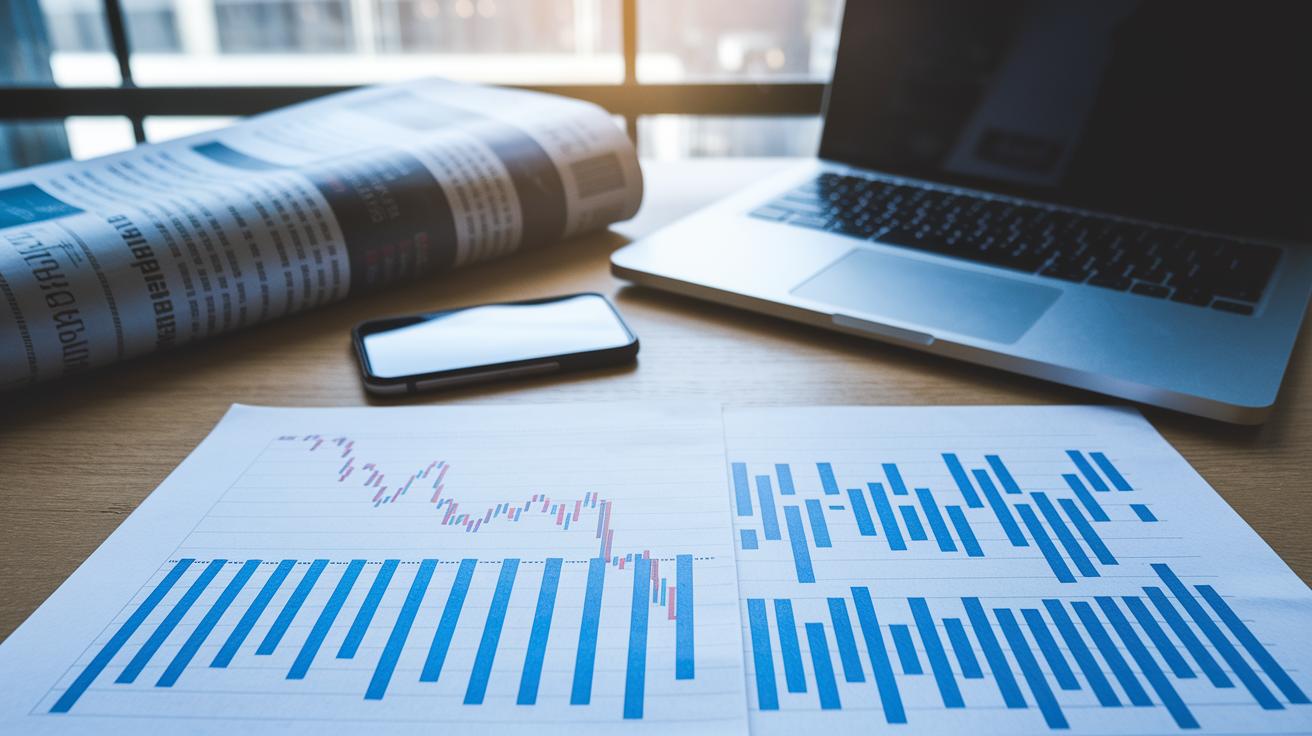
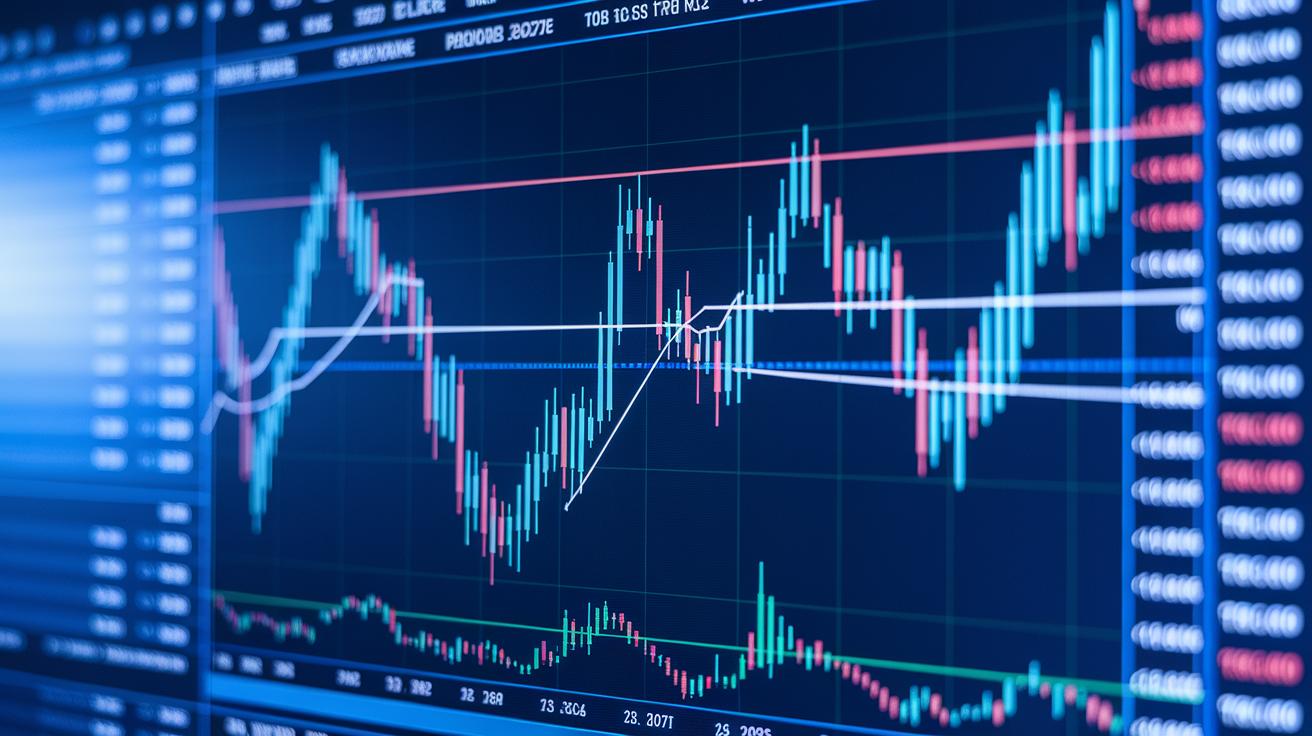
Charts and signals form the core of this method. Traders use tools like line graphs and candlestick charts to capture the market's flow. These visuals show rises, falls, and strong trading days that hint at future movements. Imagine studying a chart where every candlestick shares a little story of market mood, like a tiny hammer formation that might signal a shift in trend, similar to noticing a small sign that your local store is about to change its hours.

A big perk of technical analysis is the quick feedback it offers about market behavior. This helps traders decide the best moments to buy or sell. None of the indicators are foolproof, but when you combine what you see in the charts with volume data, you get a clearer picture of the right time to act. Think of it as checking the market's pulse, where every bit of data adds up to a trustworthy signal for smart trading decisions.

Core Chart Types for Technical Analysis of the Financial Markets

img-1.jpg

Line Charts

Line charts are a simple way to see trends over a long period. They connect points that show data from different times and help smooth out everyday ups and downs. For example, if you see a smooth rising line over several months, it might mean that a stock’s price is steadily growing.

Bar Charts

Bar charts give you a closer look at daily price changes by showing opening, high, low, and closing numbers. This detail lets you see the full range of a trading day and can help spot short-term shifts. Imagine checking a chart that clearly shows each day’s highs and lows, it makes understanding market moves much easier.

Point & Figure Charts

Point & figure charts cut out extra noise by focusing only on changes in price, not on the passage of time. This style means you only see the moves that really matter, filtering out small, unimportant fluctuations. Picture a chart that marks only the major shifts in price; this clean view can make decision-making feel much simpler.

Drawing Trendlines and Analyzing Support & Resistance in Market Charts

Trendlines are simple lines that connect important low points in a rising market or high points in a falling market. They help you see how prices have moved over time. Imagine drawing a line through several low points in a booming market. If that line suddenly breaks, it might mean the market is about to change direction. One handy tip is to check if the break happens along with a boost in trading volume or a sudden price leap. This gives you a clearer picture of whether prices might keep going in the same direction or start to shift.

Support zones show where prices have bounced up in the past, while resistance levels mark where prices have previously stalled. These levels are key in technical analysis. When a stock pushes past a resistance level and then settles around that area, it often turns into a new support level. Using these ideas together with spot-on trendline techniques can help you catch those early hints of a trend change. In turn, this can guide you on when to enter or exit a trade with a bit more confidence.

Common Pattern Recognition Methods and Price Action Techniques

img-2.jpg

In trading, technical analysis acts like a friendly guide that helps spot familiar price patterns. It shows clues in candlestick charts and price signals, hinting when a trend might flip or continue.

At its heart, this method involves looking at past price moves to understand current moods. Think of candlestick patterns like snapshots that reveal market sentiment. Patterns such as bullish engulfing, bearish engulfing, hammer, shooting star, morning star, and evening star can signal a change in direction. Meanwhile, patterns like flags, pennants, and rectangles suggest that a trend may take a brief pause before moving ahead. Also, triangles, ascending, descending, or symmetrical, often point to a breakout when prices have settled down.

These techniques help traders decide when to jump in or step out, relying solely on how prices behave. They’re especially handy for short-term moves, letting you act quickly and with assurance. Here’s a quick list of six common candlestick reversal patterns:

  • Bullish Engulfing
  • Bearish Engulfing
  • Hammer
  • Shooting Star
  • Morning Star
  • Evening Star

On top of these candlestick signals, traders use key price action setups to catch early opportunities and weed out false breakouts that might trap them. Essential setups include breakout entries, pullback entries, consolidation breakouts, and false breakout traps. By mixing both candlestick reading and price action strategies, traders can adapt to market changes and boost their chances of success in today’s fast-moving financial world.

Applying Fibonacci Retracement and Market Geometry in Technical Analysis

Fibonacci retracement levels like 38.2% and 61.8% serve as simple markers that help us see the market's momentum. When prices near these numbers, traders keep a close watch to spot any hints of support or resistance that might signal a change. Think of it like a ball that bounces off a soft cushion, it falls, reaches a cushion, and then springs back.

Market geometry uses a straightforward 1:1 measured move to help traders tap into ongoing trends following a correction. This method looks at how far prices typically move and suggests when the current trend could pick up again. It’s a bit like waiting for the perfect moment to jump on a moving train, you need that clear marker to know when it’s safe to get aboard.

Imagine a stock’s price dropping to the 61.8% level and then beginning to rise again. The price bounces up towards a previous high, showing that the retracement level served as a temporary floor and that the market might be ready to continue its trend. Together, these tools offer clues about when the market could resume its momentum after a pause.

Moving Average and Oscillator Indicator Insights for Trading Signals

img-3.jpg

Moving averages are a trusted way to smooth out price data by taking the average of past prices, which helps remove the short-term ups and downs. Simple moving averages (SMA) and exponential moving averages (EMA) each offer a slightly different view, but they both help clear up the noise. When the short-term average moves above or below the long-term average, it often gives a hint to buy or sell.

Oscillator indicators like RSI and MACD add another layer of insight. They act like speedometers for the market, showing when prices might be too high or too low. In short, these tools track shifts in momentum and can indicate if a market is overbought or oversold. It’s like having a second opinion to back up the signals from the moving averages.

Volume is another key piece of the puzzle. When trading volume picks up, it can confirm the strength of a moving average crossover or the signals from an oscillator. For example, if the RSI shows an overbought condition and there’s a noticeable increase in trading volume, the signal feels much more reliable. This extra confirmation can help guide where to set your entry, exit, and stop-loss points with more confidence.

Indicator Signal Criterion
SMA Crossover Short-term moving above long-term
EMA Crossover Short-term moving below long-term
RSI Overbought/Oversold Levels above 70 or below 30
MACD Divergence Divergence between price and MACD line

Trading Strategies, Signal Confirmation and Algorithmic Systems in Technical Analysis

Breakout Strategy Techniques

Breakout strategies look for clear chart shapes, like triangles or channels, that act as barriers. When you spot a sharp spike in volume, it can be a cue that the price is really moving. Using extra checks, say, pairing a moving average cross with an RSI filter (RSI tells you if a stock might be overbought or oversold), can help reduce false signals. For example, if a stock breaks upward from a strong resistance level, it might be a good time to buy. Plus, setting a stop-loss just below the most recent low helps protect you from sudden drops. If you're just getting started, you might want to learn more at our day trading for beginners page.

Algorithmic Signal Systems

Algorithmic systems use computer rules to find trading signals and then make trades automatically. They test rules on past data to make sure the conditions are right before jumping in. This method takes emotion out of the mix and makes decision-making faster. When several indicators back up a signal, you have a better chance of avoiding false moves. And since the system handles routine checks, you can keep your eyes on the bigger picture of the market. This blend of clear rules and computer precision helps you stay disciplined, which is key when every moment matters.

Risk Management Techniques and Confirmation Strategies in Technical Analysis

img-4.jpg

When you're diving into technical analysis, it's important to see risks clearly and be ready to act fast. No one tool works in every situation, so savvy traders often use stop-loss orders set just below recent swing lows or near moving average supports. They also keep track of position sizing and risk-reward ratios, which help decide how much to risk on each trade while keeping any potential losses small compared to the possible gains. Many traders even follow a personal playbook that includes these safety steps, using trusted guides like this article on risk management techniques to steer them in the right direction.

Before jumping into a trade, it's smart to get a bit more validation. Most experienced traders wait to see at least two signals, whether coming from moving averages or momentum oscillators, coming together before they act. This extra check helps filter out false signals and confirms that market trends and price moves are on point. Using several tools to back up a decision not only makes for a more well-rounded strategy but also helps keep emotions at bay when the market speeds up. In quick-moving markets, those built-in checks make it easier to stick to a clear, balanced approach to managing risk.

Final Words

In the action, we've explored key chart types, trendlines, support and resistance, and the vital role of patterns and Fibonacci retracements. We looked into moving averages, risk management, and confirming signals before trading. These insights form a practical guide rooted in technical analysis of the financial markets. The ideas shared aim to give you the confidence to use time-tested tools and approaches for a secure financial future. Keep learning, stay curious, and trust your strategy.

FAQ

Q: Where can I find Technical Analysis of the Financial Markets by John J Murphy in PDF or Ebook format?

A: The inquiry targets access to John J Murphy’s book, which is offered in PDF, Ebook, and printed editions. Legitimate sources provide these formats, so check reputable retailers and libraries to obtain a quality copy.

Q: What is technical analysis of the financial markets?

A: The definition of technical analysis of the financial markets is using past price and volume data to forecast future price trends. It assumes that the asset’s price reflects all current market information.

Q: Is technical analysis of the financial markets still relevant?

A: The question about relevance shows that technical analysis remains useful for spotting trends and key price levels. Many traders depend on charts and indicators as one of several tools to guide their market entries.

Q: What does Warren Buffett say about technical analysis?

A: The question regarding Warren Buffett indicates he prefers fundamental analysis over technical charts. Buffett’s focus is on a company’s true value rather than patterns found in market price movements.

Q: What is the 50% rule in trading?

A: The explanation of the 50% rule in trading is that a price frequently retraces around half of its prior movement before resuming its trend. Traders use this rule to identify potential support or resistance levels.

Q: What books and resources are recommended for learning technical analysis and trading psychology?

A: The recommendation highlights books like Technical Analysis Explained, Trading in the Zone, Market Wizards, and Reminiscences of a Stock Operator. These resources offer practical insights on chart reading, strategies, and trader psychology.

Q: What techniques are used in Japanese candlestick charting?

A: The description of Japanese candlestick charting techniques shows they use visual patterns to signal market trends and reversals. This method helps traders quickly recognize bullish or bearish signals solely from price action.

How Do Fintech Startups Secure Funding: Soaring Results

0

Have you ever wondered how fintech startups get the money they need? Building secure technology and keeping up with growing demand is no easy task. In this article, we break down how these companies secure cash. Some use personal funds, while others attract angel investors, venture capital, crowdfunding, and more.

We explain how each method matches a company's stage and goals, showing that smart funding choices can lead to great results. Read on to see how mixing different sources of cash can jumpstart a fintech startup's success.

Core Funding Channels for Fintech Startups

Fintech startups often need a lot of money at the start to build safe technology, follow rules, win customers, and support loan programs. That means they usually blend a few funding types that can change as the company grows. It often makes sense to begin by keeping control with bootstrapping and then explore other funding options as the business expands.

  • Founders can kick things off with seed capital from bootstrapping. This means using personal funds or early earnings to build the first version of the product.
  • Angel investors are another option. These private backers put in cash at an early stage when they spot a big idea and a strong team.
  • Venture capital brings in larger sums along with helpful industry know-how, jumpstarting growth during the very early stages.
  • Crowdfunding lets a startup tap into community support by gathering many small contributions from people who believe in the product.
  • Government grants offer money without taking any equity. These funds help cover regulatory and development costs through grants and tax breaks.
  • Accelerator programs provide not only funding but also mentorship and even office space. They also open doors to more investors.
  • Strategic partner investments involve teaming up with established companies. These partners contribute not just funds but also valuable resources to keep the business running smoothly.
  • Debt financing, such as loans or credit lines, gives the needed cash while keeping debt costs manageable , usually under 30% to 40% of gross income.
  • Revenue-based investments connect repayments to the business’s regular income, so payments grow and shrink with cash flow.

It’s important to match the right type of funding with your startup’s stage. Early on, you might lean on bootstrapping or angel investors to keep control and test the market. Once your business shows real value and starts to grow, venture capital or strategic partnerships can provide the extra cash needed to expand operations, meet new regulations, and keep technology up to date. This step-by-step strategy helps your startup move forward smoothly while balancing day-to-day needs with big market opportunities.

Designing a Compelling Pitch Deck for Fintech Startup Funding

img-1.jpg

When you build your pitch deck, use clear, eye-catching visuals that tell your startup’s story. Every claim should have solid data to back it up. Think of your deck as a friendly map that guides investors through why your solution matters.

Start with a simple layout. Begin by introducing your product and the market opportunity in the first few slides. Then show reliable financial projections to build trust.

Tell your story with real customer experiences mixed with bold future plans. For example, you might say, "Our app helped users save about 15% more each month." This brings your vision to life.

Use easy-to-read charts and graphs. These visuals help investors quickly see trends and growth potential.

Don’t forget to talk about risks. Explain the steps you’ve taken, like having insurance or ready compliance measures, so investors know you’ve thought ahead.

Finally, wrap up with a clear call to action. Invite investors to imagine a future with your company, such as "Join us on this exciting path to growth."

By tailoring each slide to what investors care about, you make your story even more engaging and trustworthy.

Ensuring Regulatory Compliance to Secure Fintech Funding

Fintech startups face many rules that can change from one region to another. For example, the rules in the European Union under PSD2 might be very different from those set by FinCEN in the United States. Startups need to show they have strong risk management measures, such as checks for money laundering and good practices to keep data safe.

Investors appreciate clear plans that lower legal risks and build confidence. They want to see detailed policies and regular updates, making it clear the startup handles its financial and regulatory responsibilities well. This clear approach also helps startups access public funding tied to meeting specific regulatory standards.

Key Area Description
Legal Managing regional financial rules and laws
Data Security Keeping customer and company data safe
Licensing Getting the required permits to operate
Reporting Offering clear and regular updates

When startups link each portion of their funding to a specific compliance goal, they create a straightforward growth plan. Meeting these goals not only reassures investors but also opens the door to more funds, as it shows the company can manage ongoing regulatory challenges.

Using Accelerator Programs and Strategic Partnerships in Fintech Funding

img-2.jpg

Accelerator programs and strategic partnerships give fintech startups a leg up to move fast. These programs supply not only seed money but also hands-on guidance and a chance to shine at demo days, which help startups polish their products and attract more investors. Meanwhile, teaming up with big companies can mean cash plus strong distribution paths and tech support that get your product out there sooner. Some strategic investors may even mix equity with help on product development, boosting not just your credibility but also your position in the market.

Program/Partner Funding Range Key Benefit
Generic Accelerator $20k–$150k Seed funding and mentorship
Bank Partnership $100k–$500k Access to distribution channels
Technology Alliance $50k–$300k Technical support and co-development deals

When choosing a program or partner, think about their expertise in your industry, the networks they bring, and a history of helping startups succeed. Look for those who can offer more than just money, seek out partners who share your vision for growth and provide the strategic backing your startup needs to flourish.

Exploring Alternative Funding Models for Fintech Startups

Fintech startups today are looking beyond the old-school methods like venture capital and angel money. They’re turning to new ways to raise funds that offer more control and flexibility with their cash flow. This means they can better match their funding to how much they earn, all while staying agile in a fast-changing market.

Here are some popular options:

  • Crowdfunding opportunities: This method gathers support from a wide community. It works best if you have a clear and exciting story to share about your project.
  • Revenue-based investment models: With this approach, you repay investors directly from your earnings. It’s flexible, but if your growth slows down, you might see less cash available.
  • Debt financing alternatives: These provide steady, predictable costs by setting fixed repayment terms. However, those regular payments can impact your cash flow.
  • Equity crowdfunding dynamics: This lets many small investors get involved. Just keep in mind that accepting lots of small investments can mean giving away a bit more control.
  • Convertible note strategies: These postpone tough talks about how much your company is worth until later funding rounds. It eases early pressure but might add some complexity later.
  • Blended funding models: By mixing equity, debt, and revenue-based financing, you can balance your cash flow effectively. It’s a smart solution for today’s fast-paced startups, though it does require careful planning to manage the different types of financing.

Blended models, in particular, can be a clever way to keep your runway open. By combining different funding sources, startups can handle their day-to-day needs and still have room to grow gradually, even when market conditions change.

Financing Roadmap from Seed to Series A for Fintech Funding

img-3.jpg

Fintech startups usually kick off with a seed round, where they raise around $500,000 to $2 million. In this stage, they work on building a basic product and attracting early customers to prove their idea works. It’s all about demonstrating that the concept has real potential.

Next up is the Series A round. Now, companies aim to collect between $8 million and $15 million. These funds help them scale operations, set up the necessary regulatory frameworks (that means meeting legal rules), and capture a bigger slice of the market. As the startup grows, follow-on rounds like Series B help fund ventures into new markets. Often, companies see their valuation grow three to five times between rounds as they hit key targets like having 6-12 months of operating funds and growing their user base by at least 20% every month.

Round Typical Raise Use of Funds Benchmark Metrics
Seed $500k–$2M Building a basic product and attracting early users 6-12 months of funds, proof that the idea works
Series A $8M–$15M Scaling operations and setting up necessary legal frameworks 20%+ month-over-month user growth
Series B Follow-on rounds Expanding into new markets and advanced support Valuation growth of 3-5 times from previous rounds

Smart planning means matching the right funds with your growth needs while keeping an eye on your investors’ milestones. When startups hit these marks, it builds trust and sets the scene for steady, long-term growth.

Common Challenges and Case Studies in Fintech Startup Funding

Fintech startups often run into issues like ownership dilution, unclear valuations, lost control, and long, tiring negotiations. These bumps can slow down early funding and make investors think twice about the startup’s future. Later on, a company might see its strategic goals drifting apart and face compliance mistakes that shake investor trust.

Some startups also discover that stubborn negotiation tactics and poor preparation for due diligence can ruin a good chance. Handling these risks means talking things out clearly and getting everything in order to keep the fundraising process smooth and avoid conflicts later.

  1. Case Study A – One fintech company got tangled up in tough regulations. By shifting its business plan to match the new rules, it managed to raise $10M in its Series A round.
  2. Case Study B – Another startup had slow revenue growth at first. By sticking with a bootstrapping approach to hit $1M ARR and teaming up with a helpful angel group, it secured a $5M seed round.

These examples remind us that learning from past issues and adjusting plans can help clear the path for future funding rounds.

Final Words

In the action, we explored key funding routes like seed capital, angel engagement, venture injections, and beyond. We broke down how to build a smart pitch deck and handle compliance head on, while examining accelerator programs and blended funding models. We mapped out your growth from seed stages to Series A and shared real-world success tips. All these insights help answer the question, how do fintech startups secure funding? The outlook is strong, and your next funding stage is closer than ever.

FAQ

How do fintech startups secure funding?

The process by which fintech startups secure funding involves bootstrapping, seed capital, angel investment, venture capital, crowdfunding, government grants, and other financing options that match different growth stages.

What are fintech opportunities?

The term fintech opportunities refers to areas where technology improves financial services, such as digital banking, mobile payments, blockchain, and lending solutions, offering new growth paths for startups.

What is the state of fintech?

The state of fintech shows a rapidly expanding sector with projections reaching $340.1 billion, supported by steady growth and increased adoption of digital finance solutions among consumers and businesses.

What does fintech TAM mean?

The term fintech TAM means Total Addressable Market, which is the overall revenue opportunity available for fintech companies in their targeted markets.

How is fintech valuation determined?

The process of fintech valuation determines a company’s worth by examining factors like growth potential, customer metrics, revenue models, and regulatory strategies to gauge its market appeal.

What does McKinsey fintech refer to?

The phrase McKinsey fintech refers to insights and analysis provided by McKinsey that highlight market trends, competitive strategies, and operational best practices within the financial technology space.

What is a fintech primer?

The fintech primer offers an introductory overview of key financial technology concepts, explaining funding channels, market dynamics, and the factors that drive innovation in the industry.

What drives fintech growth?

The drivers of fintech growth include emerging technology, evolving customer needs, updated regulations, and innovative business models that continuously reshape traditional financial services.

How can fintech startups and tech companies get funding effectively?

The approach for securing funding for fintech or tech startups involves building a solid pitch, engaging early-stage investors like angels and VCs, bootstrapping initially, and considering alternative financing options such as crowdfunding or government grants.

What are the 5 D’s of fintech?

The 5 D’s of fintech represent digital transformation, disruption of traditional banking, democratization of financial services, data-driven strategies, and developments in decentralized finance, all crucial themes in today’s market.

Risk Matrix Drives Confident Risk Assessment

0

Ever worried that your project might fall apart because of an unexpected risk? A risk matrix does more than just crunch numbers, it helps shine a light on potential dangers and makes daily uncertainties less overwhelming. Think of it like checking the weather: the grid shows you which issues are more likely to happen and how big their impact might be. This simple tool lets teams sort problems by urgency, so everyone knows what needs attention most. In a world where every decision matters, a risk matrix helps you assess risks with confidence and keeps surprises at bay.

Understanding Risk Matrix: Definition, Purpose, and Key Benefits

A risk matrix is a simple chart that shows us which project risks might cause trouble. It pairs the chance something might happen with how big the issue could be, making it easy to spot problems that need quick attention. Imagine a project manager using a 5×5 grid to figure out which issues could throw off an important deadline.

How does it work? Think of it like a two-sided scale. One side shows the likelihood of an event happening, while the other estimates its potential impact. For example, you might use a scale from 1 to 5, where 1 means a rare or small problem and 5 means an almost certain, serious issue, making risk checks as straightforward as checking the weather.

The benefits are clear. A risk matrix helps teams decide where to focus their efforts, plan more carefully, and know who is responsible for each issue. It encourages everyone to work together to fix problems before they grow. If you'd like to dive a little deeper, check out financial risk analysis here: https://moneyrepo.com?p=997

Anatomy of a Risk Matrix: Axes, Scales, and Color-Coding

img-1.jpg

A risk matrix uses two simple lines to show different risk levels. On the horizontal line, you see how likely an event is to happen, it goes from Rare to Almost Certain. The vertical line tells you how big the impact might be, starting at Insignificant and moving up to Catastrophic. Together, these lines help you quickly see and rate threats.

Scale Value Likelihood Description Impact Description
1 Rare Minor
2 Unlikely Slight
3 Possible Moderate
4 Likely High
5 Almost Certain Catastrophic

When you design a risk matrix, keeping the layout clear really helps. Making sure each cell is the same size means the information looks good on any screen. Plus, using strong color contrasts, green for low risk, yellow for moderate, and red for high, makes it easy to see where the dangers lie. Labeling everything clearly on both axes helps you rate risks accurately. This way, a risk matrix becomes a handy tool for quick visual checks and smart, data-based decisions.

Step-by-Step Guide to Creating a Risk Matrix

Step 1: Identify and List All Risks
Start by gathering every potential risk you can think of from your project details, goals, resources, and team feedback. This brainstorming session is like making a list of all the ingredients before you start cooking. For instance, a team member might ask, "What if we don't get our supplies on time?" That question can help you spot risks like delays, cost overruns, or technical hiccups.

Step 2: Define Likelihood and Impact Criteria
Next, decide how probable each risk is and how much of an effect it might have. You can use simple terms like Low, Medium, or High, or assign numbers from 1 to 5. Imagine it like comparing a light drizzle to a heavy downpour. These clear ratings make it easy for everyone to understand why some risks matter more.

Step 3: Score Risks Using a Matrix Evaluation Method
Now, combine your likelihood and impact ratings to give each risk a score. This scoring is like checking a weather map, low scores signal minor issues, while high scores point out serious concerns that need quick action. It’s a clear way to see which risks deserve your attention first.

Step 4: Prioritize Risks and Plan Controls
Finally, sort the risks based on their scores and come up with a plan to manage them. For risks with high scores, consider actions like revising project timelines, adding extra safety checks, or scheduling regular reviews. This step ensures everyone knows what to do when a real problem strikes.

Risk Matrix Drives Confident Risk Assessment

img-2.jpg

For smaller projects with only a few risk factors, a 3×3 matrix works great. It lays out three levels of likelihood and three levels of impact in a simple grid. Think of it like drawing a quick map that shows where minor risks might pop up on a busy day.

When projects become more complex and stakes are higher, a 5×5 matrix offers extra detail. This tool splits both the chance of a problem and how badly it might affect you into five parts. It’s similar to turning a simple sketch into a detailed blueprint that helps your team spot subtle differences between risks.

Take one tech startup, for example. They used a 5×5 grid in Excel to dig into cybersecurity issues, turning potential problems into clear, actionable steps. In another case, a construction team used a free template to track safety hazards from the ground up. Downloadable templates in Word and Excel, along with interactive spreadsheet tools, let teams tailor the risk matrix for their specific needs. Imagine updating your risk matrix on the fly, changing numbers and colors as new data comes in, making risk management a dynamic part of everyday planning.

Best Practices for Managing and Updating Your Risk Matrix

Keeping your risk matrix fresh is like doing routine check-ups to stay ahead of new challenges. When big shifts, such as changes in regulations or events like COVID-19, come along, it’s a clear sign to update your plan. This helps your team quickly adjust how likely risks are and how big their impact might be. Following a regular review schedule means you catch changes early and fine-tune your risk priorities. If you’re curious for more details, check out some of the latest tips in risk management strategies at https://moneyrepo.com?p=1023.

Using tools like an Excel analysis grid or a smart interactive spreadsheet can make tracking these updates surprisingly simple. These tools help you manage different versions and keep a neat record of every change made over time.

And then there’s scenario planning. Running through “what-if” situations lets you test out various risks to see how they could shake things up. This hands-on approach not only sharpens your risk scoring but also shows how different scenarios might change your focus. Regularly practicing these exercises means your team can quickly adapt, ensuring project stability and a smoother ride through uncertain times.

Common Errors in Risk Matrix Analysis and How to Avoid Them

img-3.jpg

Many people fall into the trap of oversimplifying their scales. When you use just a few levels, you might miss important differences. For example, treating a small hiccup as if it were a major fault can lead you to make weak risk decisions.

Another common error is overlooking rare events that can have a huge impact. If you ignore a risk because it doesn’t seem likely, its severe consequences might surprise you. This can leave your projects vulnerable to sudden, expensive setbacks.

It’s also a problem when risks are scored inconsistently or when you don’t get enough input from all stakeholders. If the ratings vary too much, it becomes tough to reliably compare different risks, which can create misunderstandings.

To solve these issues, consider using a control analysis approach. Combining a probability mapping technique (a method to show how likely events are to happen) with a consequence mapping method (a way to show the impact if they do) gives you a more detailed view of each risk. A customizable evaluation grid keeps the scoring uniform, so every risk is measured and managed for its true impact.

Final Words

In the action, this article explored how a risk matrix helps simplify complex financial threats while offering a clear way to score risks using both qualitative and quantitative methods. We broke down the matrix’s layout, shared templates for everyday use, and outlined steps for creating and reviewing your own model. The discussion also addressed common mistakes and ways to correct them. Embracing this risk matrix could empower you to sharpen your decision making and boost your financial security. Stay informed and proactive for a secure future.

FAQ

What is a risk matrix and how is it used in safety?

The risk matrix is a tool that maps risks by their chance of occurring and the severity of their impact. In safety, it helps quickly spot hazards and guide steps to reduce danger.

How do I create a risk matrix?

Creating a risk matrix involves listing potential risks, setting criteria for likelihood and impact, then plotting them on a grid. This visual process simplifies risk ranking and action planning.

What is a risk matrix template and example, including Excel options?

A risk matrix template is a pre-made grid that you can fill in to assess risks. Often available in Excel, it offers a quick example to organize risk assessments and improve clarity in decision making.

What are the different risk matrix formats such as 3×3, 4×4, and 5×5?

A 3×3 matrix is best for simple risk reviews, while 4×4 and 5×5 formats provide more detail by breaking down risks into additional levels. Each format suits different project sizes and complexities.

What are the 4 quadrants of the risk matrix?

The four quadrants split risks into groups of low, moderate, high, and extreme. This division helps clearly indicate which areas need more focus and immediate mitigation actions.

How does OSHA utilize the risk matrix concept?

The OSHA approach to risk matrices categorizes hazards by their probability and potential harm, aiding in compliance and fostering safer work environments by clearly prioritizing pressing risks.

Industrial Sector Trends Ignite Bright Growth

0

Ever wonder how smart tools are changing the way industries work? Digital systems are sparking new growth by solving everyday problems in factories. Companies aren’t just tweaking things here and there, they’re completely overhauling their operations. They use smart machines and cloud tech (that is, storing data over the internet) to cut downtime by nearly half. U.S. factories are leading the charge by backing over half of the patents and spending on research. These trends show how modern tech is reshaping production and boosting efficiency. Keep reading to see how these changes are lighting the way for progress.

Industries are changing fast due to digital tech. In fact, nearly 30% of digital upgrades by 2026 will come from manufacturing. This shows just how quickly the landscape is shifting. In the U.S., manufacturing is a big innovator, it backs 55% of all patents and takes up 70% of research and development spending. These strong numbers are driving trends that change how goods are made around the world.

Some key trends include edge computing, smart manufacturing, and cloud adoption. Edge computing helps companies make quick decisions by processing data where it’s created. Smart manufacturing uses automated systems to work more smoothly and efficiently. And cloud adoption keeps teams connected, even when they are spread out over different locations.

Another trend is hybrid IT models. These models connect data centers spread across 11 nearby markets, much like a central hub that helps every part of a production network stay in touch. This mix of current tech with fresh digital strategies is creating a well-rounded approach to managing operations.

Statistic Value
Digital Transformation Spending 30% by 2026
U.S. Manufacturing Patents/R&D 55% / 70%

These insights help us understand how the industrial sector is evolving and give us a clear picture of what today’s changing market looks like.

img-1.jpg

Manufacturers are switching up their production methods with smart technology that makes everything run smoother and faster. AI and machine learning help by offering real-time insights and warning signs before small issues turn into big problems. For instance, sensors on equipment can reduce unexpected downtime by nearly 50%. Think of it like your car’s check engine light, letting you know when it’s time to get service and avoid a breakdown.

New tech like digital twins, augmented reality, and virtual reality make it easier to monitor machines from a distance. Imagine a technician checking equipment with AR glasses from far away, cutting down on the need for on-site visits and saving both time and money. This way, companies can virtually test improvements before spending big on changes in the plant.

Even so, only 7% of manufacturers say they have full access to their operational data. This shows that problems still exist when old systems try to work with the latest Industrial Internet of Things (IIoT) solutions. It underlines the need for digital platforms that can connect every part of the production chain.

Those who are embracing these trends aren’t just updating their technology. They’re rethinking every step of how they make their products. With the latest digital transformation tools and automation progress, the whole industry is shifting toward more flexible and efficient operations.

For insights on global financial trends affecting manufacturing investment, check out: global financial trends – https://greatnewsx.com?p=.

It's exciting to see how tools like 3D printing and additive manufacturing are changing the way products are made today. These techniques let manufacturers whip up prototypes in no time, tweak designs as needed, and even cut down on high tooling costs. Imagine being able to produce a custom-fit gear in hours instead of days, it's a real game-changer for speeding up innovation.

These methods also let companies create parts that meet very specific needs, which means less waste and lower production costs. Picture needing a repair part and having it produced on demand, so you don't have to wait around and can keep things running smoothly.

Thanks to high-precision additive manufacturing, industries can now work with complex shapes and advanced materials that were once out of reach. This breakthrough makes it possible to explore new designs and even mix these technologies with service-based strategies. In doing so, companies can offer tailored, ongoing services that turn products into a steady revenue source.

In short, by embracing these fresh production techniques, the industrial sector is paving the way for faster growth and a more agile process that can respond to ever-changing market demands.

img-2.jpg

Today, manufacturers are switching to greener practices. They use smart circular approaches like reusing, refurbishing, and recycling to turn waste into something useful. Picture a production line where every scrap is transformed into a new product. This creative method helps cut costs while meeting strict environmental guidelines.

More companies are also investing in renewable energy and simple carbon capture technology to reach carbon neutrality by 2030–2040. In many cases, these eco-rules aren’t just things to follow, they form the heart of their business strategies.

Big equipment makers now connect executive bonuses to these green goals. What once was a mere checklist now powers growth and innovation. With clearer reporting and fresh regulations, firms are always looking for ways to improve their eco-friendly processes.

Factories are rethinking old routines as they build a future where sustainability drives excellence and fresh ideas. This progress is not only smart; it’s truly inspiring.

Manufacturers are changing the way they handle supply chains by using fresh ideas to keep things moving even when the market shifts. They use smart inventory systems based on real data along with blockchain tracking, a way to see every step of a product’s journey, to lower the risk of running out of stock. Think of it like a warehouse that sends an instant alert when supplies drop too low. It works just like a digital watchdog that keeps an eye on everything.

Companies are also looking for local suppliers and bringing production closer to home. This helps them steer clear of international issues and cuts down on transport costs. Imagine a factory that picks local resources to dodge long shipping times. This choice keeps the assembly line steady, even when the global market is a bit unpredictable.

Another cool trend is the use of automated logistics with AI-based predictions. This blend acts like an early warning system, alerting companies when to change production levels based on live market info. Plus, wearable safety gadgets paired with AI help keep workers safe by constantly checking conditions and warning about any possible hazards before they turn into big problems.

These modern production techniques are helping manufacturers create stronger supply chains that can handle unexpected challenges. For more detailed insights, check out risk management techniques (https://dealerserve.com?p=2041).

img-3.jpg

Imagine a factory where smart technology makes everything work smoothly by 2025. These factories use advanced tools like data analytics (which means using facts to guide decisions) and machine-to-machine communication to keep things running well. This change not only makes production faster and more efficient, but also sets a new, competitive standard for manufacturing.

Manufacturers are now looking beyond just making physical products. They are adding services into the mix through something called Service Lifecycle Management, which means they manage a service from start to finish. This shift helps them earn steady income over time. With easy-to-use digital tools and online stores, companies are moving from business-to-business sales to selling directly to customers. It's like upgrading an old computer to a faster, more reliable one – one company even redesigned its entire production line to keep up with these trends.

Even though many companies still deal with old systems, there’s a clear need to combine traditional tools with modern IT solutions step by step. People call this hybrid IT. While fitting new systems with old ones can be challenging, steady progress is expected to boost production worldwide. Overall, these smart changes in business models and technology upgrades are leading the industrial sector toward a future filled with growth and long-lasting performance.

Final Words

In the action of this article, we explored how digital tools, automation, and emerging production technologies are setting the stage for modern manufacturing. We saw sustainability efforts and smarter supply chain tactics that help build a reliable financial future. By breaking down key elements, from digital transformation to risk management, readers gain clear, accessible insights on market shifts. Embracing these ideas can lead to more informed decisions and a secure path forward. Let the clarity of industrial sector trends inspire your smart financial choices.

FAQ

Q: What are the key trends in the industrial sector today?

A: The industrial sector today shows trends like digital upgrades, smart manufacturing, eco-friendly production, and stronger supply chains to build a more efficient and responsive industry.

Q: What manufacturing industry trends are predicted for 2025?

A: Manufacturing trends for 2025 include smart factories, increased use of digital tools, additive manufacturing improvements, and a shift toward service-based models that create recurring revenue streams.

Q: How does new technology impact the manufacturing industry?

A: New technology in manufacturing uses AI, IoT, and augmented tools to boost real-time monitoring, cut downtime, and improve production efficiency, making operations more precise and connected.

Q: What are common examples of industry trends?

A: Common industry trends involve digital integration in production, the shift to circular models for sustainability, smart automation for process efficiency, and the adoption of cloud and edge computing.

Q: What industry is trending right now?

A: The trending industry right now is one emphasizing digital transformation and smart manufacturing, where advanced technologies play a key role in driving efficient, sustainable production practices.

Quantitative Trading: Smart Models Drive Gains

0

Ever wonder how using math can sometimes work better than trusting your gut when trading? Quantitative trading relies on solid math and speedy computers to find opportunities before they become plain to see.

Imagine it like having a supercharged calculator that quickly turns raw numbers into clear trading steps. These smart tools sort through heaps of information about stocks, bonds, and currencies to pick the perfect moments to act.

By removing emotions from the mix, these systems help you capture small gains every time the market shifts. Curious to see how these clever strategies boost modern trading? Keep reading!

Core Principles of Quantitative Trading

Quantitative trading is all about using math and computer programs to decide when to buy or sell things like stocks, bonds, and currencies. It gathers lots of data, like how prices change, how much is being traded, and even details about the weather, to discover trends. Think of it as a super-fast helper that spots chances to trade before a human might even notice. This method cuts out the usual gut feelings that can sometimes cloud judgment and can even pave the way for starting your own fund with extra backing.

At its heart, quantitative trading relies on three main parts: collecting data, building models, and executing trades automatically. Firms pull in data from many different places and then use statistical tools, basically, methods to understand numbers, to predict what might happen next. Once the models are ready, they are programmed to make trades in just a fraction of a second, which no human could do. By making decisions based solely on the numbers, it keeps things fair and focused.

This approach also helps make the market more efficient and liquid. Quick, computer-driven choices can help narrow the gap between buying and selling prices and even out price shifts, which is good for everyone involved. The automated systems keep matching orders and trading all the time, which helps the market stay calm and stable. Plus, by constantly learning from real trade results, these systems get even better over time, ensuring that prices stay fair and the market flows smoothly.

Quantitative Trading: Smart Models Drive Gains

img-1.jpg

Quant strategies come in many flavors, using smart tech and data to help make choices in computer-run markets. Companies create these models to grab quick market gaps or ride on market trends using advanced computer programs. Here are the five common strategies many traders use:

  1. Statistical arbitrage – This looks for quick price differences between similar assets to make a profit.
  2. Market making – This strategy earns small profits by continuously buying and selling to benefit from the gap between bid and ask prices.
  3. High-frequency trading – Using super-fast systems, this method makes trades in just milliseconds, catching very short opportunities.
  4. Trend following – This approach uses past price action to catch longer market moves.
  5. Mean reversion – This strategy bets that prices will return to their average after making big moves.

Building these strategies follows a clear, step-by-step cycle. It starts with forming a good trading idea from watching the market. Then, you collect both historical and current data to test that idea. Next, you turn raw data into clear signals that help with decisions. After that, you fine-tune the model to fit real market conditions. Then comes putting the model to work in live trading, and finally, you check the results to see what can be improved.

Creating a strong quant strategy never really ends. Once the model is live, companies continually check how well it makes profits while keeping risks low. With every trading session, new data can show where to tweak the model or reveal surprises. This blend of careful planning and real-world testing is what makes smart models work today and keeps them ready for tomorrow’s market changes.

Data Analysis and Backtesting in Quantitative Trading

Good data is at the heart of any strong quantitative trading plan. Before trying out a strategy, traders spend time cleaning up historical data by fixing errors and filling in missing parts. This means checking every detail and keeping everything in a consistent format so trading models can easily read it. Think of it like gathering fresh ingredients before cooking a meal; every item needs to be just right. When the data is clean, traders can get a clear picture of profitability, risks, and delays, key points in understanding how a strategy might work in the real world.

Framework Language Key Feature License
QuantConnect Python/C# Cloud backtesting Free & Paid
Zipline Python Event-driven API Open-source
Backtrader Python Live & historical Open-source

When it comes to reading backtest results, careful observation is key. Traders check numbers like the Sharpe ratio (a simple way to see if risk and reward are balanced), maximum drawdown (the biggest drop from a peak), and alpha generation (extra returns beyond a standard benchmark). A high Sharpe ratio usually means the strategy handles risk well. However, it’s important to avoid overfitting, where a model looks great with old data but falls apart in real trading. Regular reviews and updates with new data help keep the strategy strong and ready for the unpredictable swings of the market.

Risk Management Techniques in Quantitative Trading

img-2.jpg

Strong risk controls are essential for algorithmic funds. When trading models work in milliseconds, even a tiny mistake can cost a lot. Risk management acts like a safety net, keeping automated trading systems in check and protecting your portfolio when market conditions suddenly change. Using data-based risk tools helps traders spot potential weaknesses while keeping a careful balance between reward and risk.

  • Value-at-Risk (VaR) calculations: This tool measures potential losses. (Learn more at this risk management techniques link: https://dealerserve.com?p=2041)
  • Stress testing: Simulating extreme market conditions to see how systems respond.
  • Real-time limits: Watching live trades to control exposure as it happens.
  • Scenario analysis: Examining how different events can affect trades.
  • Automated kill switches: Stopping trading automatically if risky levels are reached.

Keeping risk models up to date is key for long-term success. After each trading session, teams review detailed performance data to spot any issues or emerging patterns. These insights allow them to refine models, adjust control settings, and ensure that risk practices grow along with the market. This ongoing process of review and improvement helps keep the trading environment stable and makes sure the systems are sharp and ready for real-world events.

Programming Languages and Platforms in Quantitative Trading

When you're diving into quantitative trading, the tools you choose really depend on the job at hand. Python is a favorite because it comes packed with libraries that help with data analysis, trying out ideas, and testing strategies using past market data. R and MATLAB shine when you need to dig into detailed statistics. And if speed is your top priority, C++ is the go-to for turbocharged performance. On top of that, open-source platforms like QuantConnect and the Zorro automation system give you the flexibility to experiment and get community support as you build your trading models.

Here are some of the main players:

  1. Python – A user-friendly language loaded with libraries to support every stage of your project.
  2. R – Perfect for deep statistical work, offering packages that simplify complex data analysis.
  3. C++ – Renowned for its performance, making it ideal for trading systems that require lightning-fast speed.
  4. MATLAB – Popular for numerical modeling and testing because of its strong computational tools.
  5. Julia – An up-and-coming language that blends speed with clarity, perfect for modern algorithm development.

Keeping your work organized is key. Version control tools like Git help you manage code changes smoothly, and cloud platforms provide scalable resources and a seamless environment for backtesting your models.

Career Paths and Education in Quantitative Trading

img-3.jpg

If you're eyeing a career in quantitative trading, it all starts with a strong education. You might study math, statistics, physics, computer science, or financial engineering. Most jobs in this field ask for at least a bachelor's degree, and having a master’s degree can really help. By learning programming and data analysis and getting to know basic financial ideas (how money and markets work), you'll be well-prepared for this data-heavy career.

Certification and Training Programs

If you want to take your skills further, consider looking into certification programs like the Certificate in Quantitative Finance (CQF). This program covers key topics such as math basics, financial theory, Python programming, machine learning (techniques that help computers learn from data), managing risks, and building trading algorithms. Plus, there are top online courses that offer interactive lessons and hands-on projects that feel just like real market situations. These credentials not only boost your resume but can also open the door to top quant positions.

  • "Econometrics in Practice" by John Doe: This book explains practical econometric methods used in finance.
  • "Time Series Essentials" by Jane Smith: A clear guide to studying changes in asset and derivative prices over time.
  • "Machine Learning for Finance" by Alan Brown: Discover friendly, non-linear machine learning strategies applied to finance.
  • "Optimization Techniques" by Maria Green: Learn basic math methods used for balancing investments and managing risk.
  • "Market Microstructure Explained" by David Black: Understand the inner workings of trading and what drives market behavior.

Finally, remember that networking and real-world experience can make all the difference. Talking to industry professionals, finding internships at leading firms, and even joining quant competitions can help sharpen your skills. These activities offer a closer look at what it's like to work as a quant analyst and give you a leg up in the highly competitive world of quantitative trading.

Final Words

In the action, we walked through core ideas from data-driven models to risk controls and tech tools that boost trade efficiency. We broke down strategy types, backtesting steps, essential risk practices, and programming basics in a clear, friendly way.

We also touched on what it takes to start a new career path in this field. Our chat about quantitative trading shows how these smart techniques can improve market efficiency and build a secure, bright future for your financial growth.

FAQ

What is a quantitative trading course?

A quantitative trading course teaches how to use math and computer models to analyze markets, build trading strategies, and manage risks. It helps boost skills in automated, data-driven trading.

What is a quant trader’s salary?

A quant trader’s salary reflects their expertise in data-based strategies and market analysis. Earnings vary by experience, firm size, and performance, often making the field highly competitive.

What is a quantitative trading app?

A quantitative trading app provides digital tools to execute and monitor trades automatically. It offers real-time data analysis and trade management to streamline algorithmic investment strategies.

What is a quantitative trading book or PDF?

A quantitative trading book or PDF explains the theories and practical techniques behind algorithmic trading. It typically covers model building, data analysis, and risk management for those looking to learn more.

What are people discussing about quantitative trading on Reddit?

Discussions about quantitative trading on Reddit involve sharing community insights, resource tips, and personal experiences. These forums can offer valuable advice and real-world perspectives on the field.

What are quantitative trading jobs?

Quantitative trading jobs require strong skills in math, programming, and financial analysis. Professionals in these roles develop and execute automated trading strategies using data-driven models.

What is a quantitative trading platform?

A quantitative trading platform is software that helps traders build, test, and run automated trading strategies. It offers features like data analysis, backtesting, and real-time risk monitoring.

What is an example of a quantitative trade?

An example of a quantitative trade is using statistical models to identify small pricing differences between securities and executing a trade to profit when those differences adjust.

Is quantitative trading safe?

Quantitative trading is safe when proper risk controls and robust models are in place. While technology reduces emotional bias, market uncertainties still exist, making ongoing risk management essential.

Is quantitative trading hard?

Quantitative trading is hard because it demands a strong grasp of math, programming, and market analysis. Nevertheless, with study and practice, its systematic approach makes the field approachable for dedicated learners.

Gold Investment Trends: Bright Market Signals

0

Have you ever wondered if gold is still a safe bet when the economy feels shaky? Gold prices are climbing fast, and even seasoned investors are taking notice. Right now, gold is hitting around $3,800 per ounce, and that has many people rethinking their investment plans.

In times of uncertainty, gold can seem like a safe place to park your money. Recent market signals point to a growing interest in gold, making it an option worth considering if you want a stable spot in your portfolio.

Read on to see why these changes in gold prices might matter for your financial future.

Gold recently reached new heights, trading around $3,800 per ounce and showing an 83% return since 2024. This strong climb has caught the eye of investors everywhere, especially since gold is seen as a safe bet when markets are a bit shaky.

By mid-September 2025, gold prices had jumped with a 42% gain for the year so far, topping the 27% increase seen in 2024. In February, gold hit $2,900, then climbed to $3,500 in April and about $3,700 in September. These milestones show a steady performance that attracts both traditional and global buyers. Plus, gold tends to do well when the US Dollar Index (a measure of how strong the dollar is) falls.

  • Trading at an all-time high of $3,800 per ounce.
  • A year-to-date gain of 42% in 2025 compared to a 27% rise in 2024.
  • Key price points include $2,900 in February, $3,500 in April, and $3,700 in September.
  • A strong inverse link with the US dollar makes gold more appealing when the dollar weakens.
  • Its reputation as a safe-haven asset remains solid during uncertain times.

These numbers show an exciting time for gold investors. The upward momentum and clear milestones remind us that a patient investment strategy can offer some protection during tough economic times. For anyone keeping an eye on live updates, these trends might help decide when to tweak your investment plans as the global economy shifts.

img-1.jpg

Gold has a solid reputation for steady returns, usually earning about 4% to 6% each year. This reliable growth gives investors comfort during market ups and downs, making gold a favorite when looking for financial stability.

For the past 20 years, gold has done better than some big names like the S&P 500 and the Bloomberg Barclays U.S. Aggregate Bond Index. Its steady performance and role in balancing a portfolio help set it apart, especially when other investments might stumble during rough economic times.

Central banks around the world have been steadily buying gold for 15 years straight. In 2024, net demand shot up to over 1,000 tonnes, much higher than the average of 490 tonnes from 2014 to 2021. This jump shows that, in times of economic and political stress, many see gold as a safe way to protect their wealth.

Persistent inflation and near-zero interest rates can make it hard for saving money in a bank to keep up with everyday expenses. Many investors see gold as a solid choice in these conditions. Think of it as grabbing a sturdy umbrella on a rainy day, gold helps protect your purchasing power when cash earnings are low.

Global defense spending is on the rise, which in turn hikes the cost of raw materials and labor. At the same time, US tariffs, like 50% on goods from India, 15% on those from the EU, 25% on Mexico, plus similar measures for 14 other nations, add to market ups and downs. It’s a bit like a sports team that has a string of tough games; every move counts, and the unpredictability makes investors lean toward safer options. For more insight, check out our detailed analysis in our financial market volatility and trend analysis.

A weakening US dollar also plays an important role. As the greenback loses value, international buyers find gold even more appealing. A lower dollar makes gold relatively cheaper for them, boosting its charm when market conditions get shaky.

img-2.jpg

Looking ahead to 2025, experts expect that gold could edge up slightly, by about 0 to 5% in the second half of the year. This might mean an annual return of around 30 to 35%. However, if something unexpected hits the market, gold prices could jump up by 10 to 15%, while a break in global tensions might see prices dip by 12 to 17%. These numbers give us a quick look at how gold might react to changes in the economy and world events. For regular updates, you can check out the economic outlook for 2025.

Between 2026 and 2030, gold is set to hold its own against traditional picks like the S&P 500. This period should see gold not only offering consistent returns but also acting as a solid shield against inflation (when the cost of goods goes up). Experts point to ongoing inflation pressures and a move away from relying on the US dollar as reasons for this optimistic view. Plus, with world uncertainties and market ups and downs, many investors are expected to keep turning to physical gold, often in the form of bullion (gold bars or coins) for stability. This rising demand might even push investors toward more daring yet smart moves in the market.

Over the long haul, these trends suggest that gold will continue being a key player in well-rounded investment strategies. Its status as a reliable safe-haven and potential for steady gains can help balance out portfolios, especially when markets feel unpredictable.

Central banks have been buying large amounts of gold over the past 15 years. In 2024, they purchased over 1,000 tonnes, a big increase compared to the 490-tonne average from 2014 to 2021. Looking ahead to 2025, experts expect them to buy around 900 tonnes. This steady buying shows how appealing gold is during rough market times, as banks use it to mix up their reserves and guard against instability.

Source 2024 Volume (tonnes) 2025 Projection (tonnes) Notes
Central Banks Above 1,000 Around 900 Steady long-term accumulation
Gold ETFs N/A N/A Assets under management up 41% to $383B; holdings increased by 397 tonnes
COMEX Futures N/A N/A Non-commercial positions hit record levels; private holdings near 49,400 tonnes

Everyday investors and speculators are also showing strong interest in gold. Gold ETFs provide a simple way to invest without the need to store physical gold. In 2024, record non-commercial positions in COMEX futures and options confirmed that trading in gold is really active. Moreover, private ownership of gold bars and coins grew by about 3% year-over-year, now reaching nearly 49,400 tonnes. Together with the heavy buying by institutions, these trends prove that both major players and regular investors see gold as a smart, safe choice in uncertain times.

img-3.jpg

Over the past year, gold has truly shined. It’s been the star performer, outpacing U.S. stocks and bonds by a wide margin. While stocks and bonds can be all over the place, gold offers a steady, reassuring presence in uncertain times.

Many investors add gold to their mix because it doesn’t follow the same ups and downs as big stock indexes like the S&P 500. This means gold can act as a cushion when market conditions get rough. Plus, it comes without those extra carrying costs that bonds sometimes bring, especially when yields are near historic lows. In a way, including gold is like adding an extra layer of insurance to your portfolio.

Around the world, people are leaning towards investments that offer both safety and strength. Gold has proven itself time and again as a reliable, safe haven during market downturns. As economic conditions change, more investors are turning to gold to protect their financial future while still keeping an eye on growth opportunities.

Final Words

In the action, we explored gold hitting record highs with impressive returns and key price milestones. We touched on how gold’s past performance and steady buying spur from central banks maintain its safe-haven appeal. We also looked closely at economic pressures and forecasts shaping gold investment trends. These insights help make sense of today’s numbers and offer clear guidance for those wanting live rate updates and smart moves in gold investment trends. The outlook is bright, and informed choices pave the way for a secure future.

FAQ

Q: What are the gold investment trends for 2025?

A: Gold investment trends for 2025 show a robust outlook driven by central bank buying and international demand, with market signals hinting at modest rate fluctuations amid ongoing global economic pressures.

Q: What are the gold investment trends today?

A: Gold investment trends today reflect record highs near $3,800/oz and strong year-to-date gains, influenced by a weakening US dollar and steady international buying, suggesting a solid market performance.

Q: What are the gold price predictions for the next 5 years?

A: Gold price predictions for the next 5 years indicate gradual growth and resilience, as steady demand combined with inflation concerns and market instability positions gold as a consistent safe choice.

Q: What are the gold demand trends for Q3 2025?

A: Gold demand trends for Q3 2025 are expected to remain strong due to ongoing central bank purchases and heightened investor interest, offering stability amid broader market uncertainties.

Q: How is gold demand expected to perform in 2025?

A: Gold demand in 2025 is set to stay robust due to institutional interest and global economic uncertainty, reinforcing gold’s status as a trusted asset during volatile periods.

Q: What are the gold demand trends for Q2 2025?

A: Gold demand trends for Q2 2025 point to an upward pattern as supportive market conditions and ongoing inflation pressures bolster investor confidence in gold.

Q: What are the gold demand trends for Q1 2025?

A: Gold demand trends for Q1 2025 suggest steady growth driven by confident central bank acquisitions and increasing appeal among investors seeking a reliable market hedge.

Q: Will gold rates decrease in the coming days?

A: Gold rates may experience short-term dips, but overall factors such as international buying trends and safe-haven appeal are expected to keep prices resilient in the near term.

Q: Is it a good time to invest in gold now?

A: Current market signals, strong year-to-date gains, and gold’s role as a secure asset make it an appealing option for many investors, though personal risk tolerance should guide your decision.

Q: Is the gold price expected to fall?

A: While minor short-term corrections are possible, long-term market factors and balanced global economic pressures suggest that gold prices are likely to remain on an upward trend.

Q: What are the key trends in gold investment?

A: Key trends in gold investment include record-high trading prices, significant year-to-date gains, and strong demand from both central banks and private investors, reinforcing gold’s safe-haven role.

Q: What if I invested $1000 in gold 10 years ago?

A: A $1000 investment in gold 10 years ago would have appreciated significantly, reflecting gold’s steady performance and its historical reliability as a long-term store of value.

Financial Services Trends: Bright Future Ahead

0

Have you ever wondered if your bank is ready for what comes next? Financial services are changing quickly, shifting from old methods to cloud-based systems with helpful digital tools. Research shows that many younger customers could leave if their bank doesn’t offer a smooth digital experience. In this article, we look at how new technology and secure, efficient systems help banks and insurers meet rising customer needs, setting the stage for a bright future for everyone.

The financial services world is changing fast. A top company, serving 1.7 million customers, now offers services like Intelligent Agreement Management, Contract Lifecycle Management, eSignature, electronic notarization, and multi-channel document delivery. These tools help speed up the process from start to finish and make teamwork smoother.

Digital transformation is here to stay. Many financial institutions are switching from old systems to cloud-based platforms, which boosts security, meets rules, and makes customers happier. The platform features over 1,000 ready-to-use modules, easy API connections, a mobile app, and an app center to add extra functions. This setup helps organizations quickly match rising customer expectations. For example, research shows that 30% of insurance customers are not happy with current digital options, and many younger clients, 61% of Gen Z and 54% of millennials, might switch providers for a better online experience.

Competition is growing as new fintech start-ups and embedded finance solutions push traditional banks and insurers to up their digital game. Many providers are investing in advanced automation and artificial intelligence to handle tasks like data entry and adhering to rules, which means fewer errors and lower costs. Meanwhile, cybersecurity remains a top concern since a data breach can cost around $4.45 million. At the same time, new technologies such as tokenized assets, quantum computing (super fast computers that solve complex problems), and stablecoins are opening up fresh opportunities for managing assets and making payments.

These insights show a market in transition, one that is reshaping itself to meet digital demands, adapt to new rules, and respond to shifting customer habits, all while using technology to stay ahead.

img-1.jpg

Competition in finance is getting fierce. New fintech startups are shaking things up with fresh ideas and clever solutions. Just picture a small tech company that adds banking directly into a retail app, so paying feels as easy as ordering your favorite meal. This innovation really changes the game for customer convenience.

Big banks and insurers aren’t sitting on the sidelines. Instead, they’re teaming up with tech firms to mix deep industry know-how with the quick, creative ideas of startups. These partnerships are expanding digital services and drawing in more people. Many established players are even investing in new fintech companies to keep pace in our fast-changing market.

Older financial institutions are also adding digital tools to boost customer experience and streamline operations. As the finance world evolves, these alliances and smart investments are pushing boundaries and setting new trends across the industry.

Financial companies are moving away from old on-site systems and turning to cloud-based platforms that make automation and growth easier. Providers now offer over 1,000 ready-to-use modules that easily connect with other services through simple API integrations. Banks are also adding special mobile apps and an app center to meet the growing needs of their customers.

Cloud computing not only speeds up daily tasks but also makes systems safer and easier to manage. Using Software-as-a-Service (SaaS), which means renting software over the internet, helps solve issues like slow operations and not having enough skilled workers. Workday, for example, has been recognized in top industry reports for these benefits.

This modern shift leads to smoother everyday operations and lets financial companies adjust quickly to market changes while making the customer experience better.

Feature Benefit
API Integrations Faster connections with other services
Pre-built Solutions Quick setup across business functions
Mobile App & App Center Better user engagement and flexibility

img-2.jpg

Advances in AI are changing how banks and financial companies handle everyday tasks. They now use smart tools like ChatGPT and other clever programs to manage jobs such as data entry, rule checks, and transaction processing. Behind the scenes, AI agents keep an eye on every detail. For example, if a payment doesn’t match the usual pattern, the system will pause the process so someone can review it.

Machine learning makes these operations even better by learning from each transaction. Imagine a system that gets to know every customer’s habits over time and then offers advice or services that truly fit their needs. This approach not only boosts accuracy but also speeds up tasks and cuts down on mistakes and costs.

Advanced analytics is at the heart of these smart systems. Simply put, it means using smart methods to sift through large amounts of data and uncover trends that help guide better decisions. With routine tasks taken care of by AI, teams have more time to work on creative projects that fuel growth and innovation.

Together, AI and machine learning are building systems that are adaptive, fast, and reliable. This new approach helps companies catch potential problems before they grow and makes the customer experience much smoother. As these systems become smarter, we’re looking at a future where financial operations are not only faster but also more secure and efficient.

Financial companies are using smart tech like artificial intelligence to make banking feel more natural and friendly. They’ve set up chat services that help you instantly, so you don’t have to hunt through endless menus. Imagine telling your bank app, "Transfer $100 to my savings," and watching it happen right away. That ease makes digital banking a breeze.

Banks also know that keeping your data safe is a top concern. They are trying out simple tricks like voice recognition and checking how you usually interact with their apps. Think of it like unlocking your phone with your fingerprint or voice instead of remembering a long password. This shows they are moving beyond basic tools to give you a secure, smooth experience.

Your feedback is key in this journey. Every time you use these new features, banks learn more about what works well and what can be even better. This ongoing conversation with customers helps them tackle real-world concerns about ease of use and security.

img-3.jpg

Financial institutions are now up against a fast-changing world of threats. Fraudsters are using tricks like synthetic identity fraud and drop-fraud attacks, which can hit companies hard, on average, a data breach in financial services costs about $4.45 million. To keep up, many organizations are rolling out modern firewalls, using real-time monitoring, and setting up fraud-analytics systems that quickly spot any odd moves.

New tools in risk management are really making a difference. Banks and insurers now use smart risk models that analyze huge amounts of data to spot unusual patterns or signs of fraud. These systems help teams know when to tighten security and act fast, making sure that credit risks are judged more accurately and that reports to regulators are smoother.

By stepping up their cybersecurity game and using clever risk management strategies, financial service providers can keep private information safe, hold on to customer trust, and follow important rules. In our digital world, even a small security slip can lead to big losses and hurt a company’s reputation. That’s why investing in strong security measures is not just smart, it’s essential for staying ahead of new threats.

Embedded finance is really changing the way we use money services. Companies are building lending, payment, and deposit options right into apps we use every day, like shopping, travel, and even healthcare. This means you might check your grocery app and find a loan option or easy payment tool without needing a separate bank visit.

Open banking plays a big role here by sharing data and using open APIs (simple tools that let different apps talk to one another) to make the experience smooth and natural. Banks and fintech firms are coming together, blending traditional banking with modern tech for quicker transactions and easier access to cash.

These smart tech advances are sparking fresh partnerships across different industries and opening up new ways for companies to earn money. With open banking in the mix, banks can offer real-time payments and flexible loans that adjust to what you need. Experts even predict that this trend could boost the embedded finance market to $384.8 billion by 2029, growing at about 30% a year. In short, these changes not only meet our evolving money needs but also make daily transactions simpler and more satisfying.

img-4.jpg

Tokenized Assets

Tokenized assets are really taking off. Experts say the market could hit $25 billion by 2025 – that's about 245 times bigger than it was in 2020. Smart contracts let people buy small pieces of an asset. Think of it like slicing up a big pizza so everyone gets a piece. This makes trading easier for everyone, whether you have a lot of money or just starting out.

Quantum Finance

Quantum computing is starting to shake things up in finance. Big banks all around the world are testing a mix of regular computing and quantum methods to get a better read on risk and manage investments. Imagine having a super calculator that sorts through huge amounts of data in seconds and picks up details no normal system would catch. This cool combo is set to deliver sharper market insights and help banks make smarter, faster decisions.

Stablecoins

Stablecoins are winning over more people because they offer the benefits of cryptocurrencies with the calm stability of regular money. With clearer rules and support from major institutions, these digital coins are tied to traditional currencies like the dollar, which helps keep their value steady, even when markets get bumpy. For example, a stablecoin linked to the dollar tends to hold its value during ups and downs, making it a handy choice for payments and asset management. This trend shows how the world is blending the innovation of blockchain with the safety of established financial systems.

Changing rules mean companies must juggle new ideas with strong controls. Firms are now using smart computer tools to scan contracts for risks, check on third-party promises, and keep records tidy. For example, some teams have saved a lot of time on compliance reports by automating routine tasks. This lets them focus on innovation while still following the rules.

Many companies now use automated platforms to make reporting simpler, keep customers safe, and create clear record trails for audits. With these regtech tools (regulatory technology that helps simplify compliance work), businesses can update their processes with little manual work, which cuts down on mistakes and makes inspections go smoother. One system even alerts staff right away when a risk is spotted. A sector leader reported a 30% drop in compliance mistakes after they started using these automated risk checks.

Adjusting to new rules also means offering services that meet growing market needs without compromising on high standards. Advanced AI tools help financial firms sort through big chunks of data at once, making everything clearer and ensuring rules are followed. This forward-thinking approach eases daily pressures and builds customer trust in our increasingly complex financial world.

img-5.jpg

Big banks and financial institutions are ramping up their investments in new technologies and stricter rules that put customers first. They’re also focusing on tools to help people handle their money day-to-day.

AI is ready to take over routine tasks and improve how risks are managed. Imagine a bank that uses smart systems to cut down mistakes and speed things up, all while keeping your personal details secure.

Key Focus Strategy
Financial wellness solutions Helping clients manage everyday money matters
AI automation Streamlining routine tasks and risk management
Cybersecurity investments Protecting customer data against digital threats

Imagine starting with a surprising fact like this: A bank once used smart analytics to halve its processing errors, which made transactions a whole lot smoother.

Final Words

in the action, we explored market dynamics, smarter partnerships, and digital transformations that shape today’s financial services trends. We touched on how AI, tokenized assets, and regulation adjustments are set to boost innovation and customer engagement. Each section offered a glimpse into strategies that help everyday investors and professionals plan safer and growth-focused moves. The shifts in technology and risk management show a future brimming with promise, a future that empowers folks to make thoughtful, informed choices every day.

FAQ

What does the financial services trends pdf provide?

The financial services trends pdf explains key market shifts, digital innovations, and evolving customer expectations while discussing fintech partnerships, regulatory adaptations, and technology upgrades that are reshaping the industry.

What insights do financial services trends 2025 offer?

The financial services trends 2025 overview forecasts rapid growth in embedded finance, AI-driven automation, and cloud computing, along with increasing fintech competition and evolving customer experiences in the rapidly changing market.

What do financial services trends 2022 highlight?

The financial services trends 2022 summary highlights how digital transformation, increased competition from fintech entrants, and enhanced customer digital experiences are driving significant changes in traditional banking and insurance sectors.

What does the financial services industry overview include?

The financial services industry overview covers market dynamics, key technology trends, digital transformation shifts, and evolving customer expectations, while also touching on regulatory adjustments and strategic fintech partnerships shaping the industry.

What are the key points of financial services trends 2021?

The financial services trends 2021 report focuses on the early moves towards cloud-based platforms, initial fintech competition, and early signs of digital customer experience improvements that set the stage for further advancements.

What are the major financial trends for 2025?

The financial trends 2025 analysis predicts rising adoption of embedded finance, enhanced AI applications, stronger digital security measures, and significant shifts toward cloud-based and API-driven service models across the industry.

What does the McKinsey Global Banking Annual Review 2025 reveal?

The McKinsey Global Banking Annual Review 2025 presents insights into banks’ digital strategies, fintech collaboration, and evolving risk management approaches as institutions adapt to an increasingly competitive and technology-driven financial environment.

What insights does the McKinsey banking report 2025 provide?

The McKinsey banking report 2025 explains how banks are investing in digital tools, forming strategic fintech partnerships, and adjusting risk models to meet competitive pressures and customer demands in a transforming market.

What Is Passive Investing: Enjoy Easy Growth

0

Ever thought about growing your money without checking the market every minute? Passive investing makes it possible by following a big market index instead of betting on a few popular stocks. Think of it like having a mixed bag of your favorite snacks, each one carries a little risk, so no single treat brings you all the worry. This easy approach helps keep costs low while your money slowly grows. Let’s dive in to see how this simple strategy could work for you.

what is passive investing: Enjoy Easy Growth

Passive investing means simply matching the overall performance of a big market index, rather than trying to pick the best performers or predict when the market will move. Instead of attempting to beat the market through frequent buying and selling, which can raise costs and add stress, this method settles for riding along with the market over time.

Most people use index funds or ETFs for passive investing. These funds track major benchmarks like the S&P 500 or FTSE 100 by holding a collection of all the stocks found in those indexes. Imagine an index fund as a box of assorted candies, where each candy stands for a different stock. This way, you’re not putting all your hopes on one or two stocks, but enjoying the benefits of a spread out, varied mix of investments.

By sticking with a buy-and-hold strategy, investors get the perks of broad diversification while keeping costs low. Fewer transactions mean lower fees and less worry about timing the market perfectly. Over time, this relaxed approach can save you money and reduce stress, making it a smart choice for many.

How Passive Index Strategies Track the Market

img-1.jpg

Index-tracking means your money moves along with a market index by holding the same mix of stocks in the same amounts. Your investment is set up to match the ups and downs of that index, and it doesn’t try to guess which stocks will do better than others.

Key factors include:

  • Expense ratio
  • Tracking error
  • Fund size and liquidity
  • Index coverage
  • Replication method (full vs sampling)
  • Minimum investment guidelines
  • Tax efficiency

With full replication, a fund holds every stock in the index in the same share as the benchmark. It’s a simple method that works well for indexes with a small to moderate number of stocks. On the other hand, optimized sampling means the fund picks a smaller group of stocks that still represent the index. Think of it like choosing the key ingredients for your favorite recipe. Many funds blend these approaches depending on costs and how complex the index is.

Common benchmarks include the S&P 500, which covers many large companies; the Russell 2000, which focuses on smaller firms; and the MSCI World, which gives access to international stocks. By sticking closely to these benchmarks, investors enjoy a simple, diversified way to keep costs and risks lower compared to active strategies that try to beat the market.

Key Advantages of Passive Investing Strategies

Passive investing helps you save money. With fees as low as 0.03% to 0.20% each year, you pay much less compared to active funds that charge 0.50% to 1.50%. Think about your fees slowly shrinking, leaving you with more money to grow over time. It’s like watching your savings work steadily without eating into them.

Another big win with passive strategies is diversification. By spreading your money across a wide range of assets, you lower the risk of a big loss if one stock doesn’t do well. Imagine biting into a mixed fruit salad instead of just one type of fruit, you enjoy different flavors and benefits without worrying that one bite will spoil the whole treat.

Lastly, passive investing often brings steady returns with less frequent buying and selling. Fewer trades mean lower transaction costs and fewer taxable events, so you keep more of what you earn. Over time, this approach helps maintain a balanced portfolio that is not easily shaken by sudden market changes.

Understanding the Risks of Passive Investing

img-2.jpg

Passive investing means you try to match a market benchmark rather than picking stocks to beat the market. With this approach, your returns will follow the index, like riding a bus on a fixed route. You save on trading fees and avoid the ups and downs of constant buying and selling, but you might also miss out on extra gains that active management could offer.

Even though the goal is to copy an index, small differences called tracking errors can occur. This means your fund might not exactly mirror the benchmark sometimes. And when the overall market drops, a passive portfolio feels every bit of that decline because it holds every stock in the index without shifting to safer options.

Another challenge is when too many investments are concentrated in one area. Many indices favor certain sectors, and if those industries struggle, your portfolio can take a bigger hit. Since no one is actively managing to adjust for these shifts, you might face larger losses if one part of the market suffers more than the others.

Passive vs Active Investing: A Comparative Analysis

Strategy Fees Average Turnover Long-Term Return
Passive 0.03%-0.20% Under 10% About 10% yearly
Active 1%-2% 50%-200% Changes a lot

The table above breaks down the key differences between passive and active investing. With passive investing, fees are very low, and investments are mostly held long-term rather than being frequently bought and sold. This means less trading and fewer extra costs. Active investing, on the other hand, usually costs more because fees can be around 1% to 2% and funds are traded often, sometimes as much as 50% to 200% of the fund’s value each year. This extra trading not only adds to the cost but may also lead to more taxes and less efficient performance.

Looking at long-term returns, the S&P 500 (a common market benchmark) has generally returned around 10% a year since 1926, even with some ups and downs. However, studies show that nearly 80% of large U.S. active funds don’t keep up with these benchmarks over a 10-year span after fees. So, while active investing might seem exciting, the low-cost, low-turnover approach of passive investing often offers a steadier, more reliable return over time.

A Beginner's Guide to Starting Passive Investing

img-3.jpg

Your first step is to open an account with a trusted brokerage or robo-advisor. Pick one that offers commission-free ETFs or low-fee index funds. This is like laying a solid foundation for your house. Next, decide on your savings goals, how long you'll invest, and how much risk you’re comfortable with. For example, you might choose a mix of 60% stocks and 40% bonds, it’s like planning your route before a long journey.

Then, set up automatic fund purchases. This means you schedule regular contributions so your money gets to work steadily, like saving a little bit from each paycheck. Also, plan to check and adjust your portfolio once or twice a year. This simple habit helps keep your investments aligned with your goals without needing constant attention.

Final Words

In the action, we broke down passive investing into clear steps and ideas. We explained how low-fee index funds and ETFs work, and how mirror-imaging market benchmarks can reduce costs. We compared this style to active investing and noted the benefits of simple, long-term strategies. We also covered how to set up a portfolio that builds financial security and growth. With these points in mind, consider what is passive investing and how it might support your future aims.

FAQ

What is passive investing in stocks?

The passive investing approach means buying and holding low-fee index funds or ETFs that track a market benchmark, such as the S&P 500, to match market returns without frequent trades.

What’s the difference between active and passive investing?

Active investing involves managers frequently trading stocks to beat the market, while passive investing tracks an index and uses a buy-and-hold strategy for steady, market-matching returns.

What is the goal of passive investing?

The goal of passive investing is to mirror market performance by keeping costs low, reducing transaction fees, and maintaining a diversified portfolio over the long term.

Who manages a passive investing fund?

Passive investment funds are managed by professionals who set up the fund to replicate a benchmark index, requiring little active trading while maintaining a steady market exposure.

Is passive investing considered lower or higher risk?

Passive investing usually carries market-level risk since it closely follows the benchmark, offering lower fees and fewer active decisions but no extra downside protection during market declines.

What are the pros and cons of passive investing?

Passive investing offers low costs, diversification, and steady returns, but it also means no flexibility to protect against market downturns or to outperform the index when conditions favor active strategies.

What if I invested $1000 in the S&P 500 10 years ago?

Investing $1000 in the S&P 500 a decade ago would likely have grown significantly, as the fund’s performance tracks market gains over time through compound growth.

Retirement Savings Planning: Bright Future Ahead

0

Have you ever wondered if your retirement dreams can come true? Planning for retirement isn’t just about saving money; it’s about creating a steady income you can rely on later in life. Think of it like baking your favorite cake: you start with the basic ingredients, your earnings, some expected returns, and a bit of compound interest (that’s money earned on both your initial savings and any interest already earned). In this piece, we lay out the simple steps to help you turn your bright ideas into a clear plan. Let’s see how setting clear income goals can lead to a secure and comfortable retirement.

Key Principles of Retirement Savings Planning

Retirement savings planning is about shifting your focus once you stop working. Instead of adding more wealth, you work on making sure you have a steady income during retirement. Picture mixing your future earnings, the returns you expect from investments, compound interest (that is, the interest earned on both your initial money and the interest already added), and adjustments for inflation. This blend sets the stage for a clear, guided plan in your retirement journey.

An important part of this process is setting clear income goals. You need to decide how much money is enough to cover everyday expenses and those extra costs, like higher healthcare bills. Knowing your target turns the sometimes confusing world of retirement into a clear strategy. And as life changes, whether it’s your health, job, or the market, checking in on your plan helps you adjust accordingly.

Here’s a friendly tip: review your account every few years. This simple habit might reveal opportunities to change your contribution levels, like tweaking your budget after comparing spending habits. Regular updates ensure that unexpected events or market swings don't catch you off guard. With clear goals, periodic reviews, and practical saving methods, you build a strong framework to enjoy steady income and balanced growth during your retirement.

Establishing Your Retirement Savings Timeline

img-1.jpg

When planning your retirement savings, it all starts with knowing where you stand. A retirement calculator uses your age, your yearly income before taxes, and your monthly savings to show you key milestones. It also includes factors like expected salary increases, interest that builds on both your initial deposit and previously earned interest, and inflation. Here’s a neat fact: even a small delay in starting your savings can mean you’ll have to save much more later, like trying to catch up in a race.

Saving early really matters. Setting clear savings goals at big life moments, after finishing school, starting your job, or celebrating a milestone birthday, helps you gradually build wealth. If you choose to delay increasing your savings, the calculator might show that you need to add an extra percentage to your monthly contributions to reach your goal.

Try using the savings plan formula at savings plan formula for a simple, spreadsheet-style timeline. Checking your plan regularly keeps your targets realistic, especially if your income goes up or economic conditions change. This hands-on approach helps you stay on track for a secure and bright retirement.

Budget and Contribution Strategies for Retirement Savings

Did you know many workers miss out on free money? When you don’t claim your employer’s match, it’s like leaving part of your paycheck behind. A smart plan means setting aside a fixed slice of your income for tax-friendly accounts like your 401(k) or IRA (a 401(k) is a savings account offered by employers with tax benefits, and an IRA is an individual retirement account with similar advantages). By making regular contributions, you build a strong foundation for your future.

Here are a few key ideas:

  • Maximize your employer match. If your plan offers a match, try to contribute enough to earn it. Even a small extra contribution can boost your retirement funds.
  • Stick to the limits. Stay updated on how much you can contribute to your 401(k) or IRA. If you’re over 50, catch-up contributions can let you add even more to help cover any gaps.
  • Plan your budget. Dedicate a steady portion of your monthly income just for retirement savings. This helps make saving a priority, no matter your day-to-day expenses.

Think of budgeting like perfecting a favorite recipe. With regular tweaks and reviews, you can see how small changes today may lead to big rewards tomorrow. Using simple tools and calculators can show you where slight increases in contributions might really pay off down the line. And don’t forget to explore tax planning for retirement strategies to lower your tax bill and improve your savings. Smart choices now can help secure a bright future ahead.

Maximizing Growth in Your Retirement Savings Plan

img-2.jpg

Imagine your retirement savings as a garden that needs the right mix of nutrients to flourish. A great way to help your funds grow is by using different types of accounts. Combining traditional, Roth, and taxable accounts can give you more control over taxes while letting compound interest work its magic, compound interest means you earn interest on both your original money and the interest that builds up over time.

Here’s a neat fact: A 65-year-old woman who invested only in bonds had an 82% chance of keeping her wealth. But when she balanced her money evenly between bonds and cash, her chances of not running out of funds bumped up to 97%. This shows that even a small change in how you mix your investments can have a big impact on your future security.

Mixing different account types also helps you share the risk when market conditions change. With money split between traditional and Roth accounts, you have more options. For example, if tax rules shift, you’re better prepared. And remember, starting early, even with small contributions, can really add up over time. Think of it like a tiny stream that grows into a strong river.

Roth conversion strategies can also be a smart move. Moving a part of your traditional account into a Roth account might lessen your tax bill later and give your savings more room to grow.

  • Use several account types to enjoy different benefits.
  • Include both cash and bonds to help smooth out market ups and downs.
  • Let compound interest work over time to build your savings.

By putting all these pieces together, you create a solid bridge for your retirement savings. Each part supports the whole plan, helping you take on market swings and build a secure future.

Managing Risks and Healthcare Costs in Retirement Savings Planning

When you plan for retirement, it’s important to get ready for rising healthcare costs. As you grow older, you might face higher premiums and extra bills that Medicare doesn’t cover. This means setting aside funds for routine check-ups, unexpected medical bills, and even long-term care. Nearly 70% of folks turning 65 could need some type of long-term care, so planning ahead is key.

A smart move is to use simple risk mitigation techniques to protect your savings from steep health expenses. For example, you might put extra funds into a dedicated health savings account or choose an insurance policy that covers long-term services. These steps help ease the financial burden if you run into unexpected health issues.

You can also manage your healthcare costs by budgeting carefully. One way to do this is to break down your monthly budget and set aside a portion of your income for health expenses. As your needs change, adjust the amount as needed. Keep in mind that if you live longer, you'll likely have more years with potential medical costs. Think of it like planning for a long, winding road where each turn might bring a small expense. By adding these strategies to your retirement plan, you build a helpful safety net for the future.

Planning Social Security and Income Distribution in Retirement

img-3.jpg

Many people find that decisions about Social Security can make a big difference in how relaxed they feel during retirement. You can start receiving benefits as early as age 62, but doing so may lower your monthly payment. If you wait until your full retirement age, you'll enjoy a steady stream of income. In fact, holding off until age 70 can significantly boost your checks. Imagine it like catching a wave: if you grab it too soon, you might lose some power, but waiting just a bit longer can make the ride much more rewarding. For example, one retiree shared, "Starting benefits at 70 gave me a financial cushion for later years," showing how delaying can pay off.

Planning your income after you stop working doesn’t end with Social Security. It also means figuring out the best order to take money from your different accounts so you pay less in taxes and make your savings last longer. This might involve using money from taxable, traditional, and Roth accounts in a smart way that matches your spending needs. Consider these key points:

  • Choose your Social Security options with your future needs in mind.
  • Arrange your withdrawals to keep your taxable income balanced.
  • Time your distributions to meet planned expenses, ensuring a smoother cash flow.

This method strikes a good balance between having cash when you need it now and keeping your long-term investments healthy, setting you up for a secure, steady retirement.

Adjusting Your Retirement Savings Plan Over Time

As you go through different stages in life, your retirement plan should evolve too. When you reach midlife, it might be a good idea to take a fresh look at your plan. You could be thinking about moving closer to family or other big changes, and that means your strategy might need a little makeover. In fact, about one in three older homeowners, aged 77 to 97, decide to relocate near their loved ones when they move from staying in one home all their life.

It’s smart to keep track of important milestones and review your saving methods early on to catch changes as they happen. For example, one retiree shared that they updated their will and power of attorney after they moved closer to their children. Taking time every few years to check over legal papers like healthcare directives ensures that your plan stays current with your wishes. Plus, it helps your strategy keep pace with any career changes or family updates.

Regular reviews not only keep your plan on track, but they also give you peace of mind.

Tools and Resources for Retirement Savings Planning

img-4.jpg

Planning for a comfortable retirement is easier when you have the right tools. Interactive online calculators let you enter details like your age, income, and how much you save each month. They show you what your retirement savings might look like by the time you retire. It’s surprising how a small change in your monthly savings can make a big difference!

Downloadable guides and worksheets are also very useful. A simple PDF workbook lets you note down your current status and set clear targets for the future. These worksheets are a great way to keep track of your progress over time. Plus, signing up for a free newsletter can give you expert advice on investing, saving, and even managing taxes as your life changes.

Resource Feature
Retirement Calculator Helps you see your future savings needs
Planning Worksheet Keeps track of your contributions and goals
Downloadable Guide Gives you step-by-step planning help

Final Words

In the action, this article walked through the basics of retirement savings planning, from setting clear income goals and using savings calculators to managing risks and planning Social Security.

It explained how to build a solid timeline and budget while keeping your strategy flexible with regular reviews. Embrace these ideas to build a plan that grows with you and boosts your financial security. Enjoy the process and feel confident about your future.

FAQ

What is a retirement savings planning calculator?

The retirement savings planning calculator helps you estimate how much to save based on your income, interest rates, and retirement goals. It uses inputs like age and contribution levels to project future balances.

What does a retirement planning guide PDF offer?

The retirement planning guide PDF provides a step-by-step resource to outline saving strategies, budgeting tips, and review techniques to keep your retirement plan on track.

What defines the best retirement savings planning approach?

The best retirement savings planning combines smart budgeting and consistent contributions with the benefits of compound interest and tax-advantaged accounts to build a secure retirement income.

What are the three types of retirement accounts?

The three types of retirement accounts include tax-deferred plans like a traditional 401(k), after-tax options like a Roth IRA, and taxable investment accounts, each offering different tax advantages and growth opportunities.

What is a retirement planning worksheet used for?

The retirement planning worksheet organizes your income, savings, and expenses, helping you set measurable goals and regularly review your progress against your retirement targets.

What does a retirement plan example show?

The retirement plan example shows a strategy that blends savings accumulation, expense estimation, and account allocation adjustments to illustrate the process of moving from saving to drawing an income.

What is the best retirement advice from retirees?

The best retirement advice from retirees is to start saving early, keep consistent with contributions, review plans regularly, and prepare for unexpected costs, especially healthcare.

What is included in a retirement planning checklist?

The retirement planning checklist lays out essential steps like setting savings goals, budgeting contributions, and planning for emergencies. It also emphasizes the need for routine reviews to adjust the plan over time.

What is the $1000 a month rule for retirement?

The $1000 a month rule for retirement encourages building an additional monthly income from savings or investments, providing an extra buffer to cover unexpected expenses and maintain financial stability.

How much is $10,000 in a 401(k) worth in 20 years?

The $10,000 in a 401(k) over 20 years can grow significantly with compound interest. While estimates vary, good market performance could see it doubling or tripling, depending on average returns.

How many Americans have $1,000,000 in retirement savings?

The number of Americans with $1,000,000 in retirement savings is relatively low, as reaching this milestone requires decades of disciplined saving, consistent market gains, and careful budgeting.

Can I retire at 62 with $400,000 in a 401(k)?

Retiring at 62 with $400,000 in a 401(k) depends on your overall expenses and additional income sources. You might need to adjust your budget or boost savings to ensure a comfortable retirement.

Definition Of Economic Growth: Inspiring Progress

0

Have you ever thought about what pushes an economy forward? Think of economic growth like a garden that steadily fills with fresh produce each season. It means a country is making more products and services, with numbers that show the real picture. For example, a 3% annual boost might mean more job openings, improved tools, and larger markets. By looking at these simple figures, you can see how everyday progress shapes our lives.

Definition of Economic Growth: Inspiring Progress

Economic growth means a country’s real production is on the rise, measured by its real GDP or GNP over time. Think of it like a garden that blooms more each season, the variety and amount of produce grow steadily.

We measure this growth by comparing the real GDP from one year to the next. A 3% annual increase is often seen as a good sign. Real GDP adjusts for inflation, so it shows the real rise in production rather than just the change in prices. For example, if a country's real GDP grows by 3% in a year, that tells us the economy is getting stronger with better productivity and broader markets.

It’s important to note that economic growth is not the same as economic development. While growth focuses on the numbers and output, development looks at overall quality of life and welfare. Long-term growth is about steady progress built on better technology, higher productivity, and smart investments rather than short-lived spikes.

Key Metrics and Indicators Defining Economic Growth

img-1.jpg

When we talk about economic growth, we use several numbers that show different sides of a country's financial health. Relying on just one number might leave out important details. So, we examine a variety of indicators to see the full story of how the economy is doing.

Indicator Definition How Measured
Nominal GDP Total market value of all goods and services at current prices Adding up all outputs at today’s prices
Real GDP GDP adjusted for inflation, which means it removes the effects of rising prices Calculated using constant prices from a chosen base year
GDP per capita The average income or output per person in the country Total GDP divided by the number of people
GNP The total production by a country’s residents, both at home and abroad Sum of outputs by those who own the production, no matter where produced
Productivity Rate Measures how much each worker produces, showing efficiency Ratio of total output to the number of workers

These numbers aren’t just stats on paper. They help guide decisions about government spending and interest rates. Policy makers check these metrics to know when to change rates, adjust spending, or act during economic slowdowns. For example, if real GDP is dropping and workers aren’t as productive, a central bank might lower interest rates to encourage spending on new technology and infrastructure. In this way, keeping an eye on these indicators helps steer the economy toward steady and balanced growth.

Theoretical Frameworks Behind Economic Growth

The Solow growth model helps us understand how economies grow by looking at three main parts: building up capital, using labor, and having technology that comes from outside the system. Think of capital like buying new machines, improving roads, or even spending more on education and training. These investments create a stronger foundation for making goods and services. Labor is simply the people working and how well they turn raw materials into products. Picture a small factory that adds a new machine and suddenly makes more products – even small boosts in equipment can lead to big improvements in output.

Endogenous growth theory, on the other hand, directs our attention to what’s happening inside the economy. It shows us that growth can come from new ideas, more spending on research and development, and better skills in the workforce. When companies focus on creating new products or improving the skills of their workers, the benefits often spread to other parts of the economy. Imagine a business that starts a new project, which then lifts the entire industry, much like a teacher offering a great study tip that helps the whole class.

Policy makers often mix ideas from both models to make the economy stronger. They push firms to use the latest technology and invest in training programs. This mix of efforts can move the economy toward higher productivity and more efficiency. For example, lower borrowing costs might encourage a company to innovate, and that spark of creativity can set off a chain reaction of growth throughout the economy.

Historical Evolution of the Economic Growth Concept

img-2.jpg

In the early days, thinkers like Adam Smith saw that splitting up work could really boost how much was made. Think of a small workshop where each person masters just one task, this makes the work smoother and more productive.

After the war, a big shift occurred. The 1948 Marshall Plan is a clear example; huge investments helped kick-start Europe's recovery. Picture a community garden that suddenly gets plenty of fresh seeds and tools, turning empty plots into lively green spaces. This burst of resources helped rebuild and modernize economies coming out of conflict.

Later on, after World War II, experts started studying economic growth in more detail. In the 1950s and 60s, they looked beyond simple production numbers. They began to consider how institutions and changes in society played a role. It’s like moving from a basic map to a complete blueprint that shows both the physical parts and the environment where growth happens.

Primary Drivers of Economic Growth in Modern Economies

Technology is a major driving force in today’s economy. It lets companies produce more goods and services at lower costs and speeds up production in a very tangible way. New tools like automation and better communication systems mean businesses can streamline their work and tap into markets around the world. This progress often leads to more investment and fresh ideas, creating a cycle that keeps production levels rising.

Here are the main factors that boost growth:

  • Technological innovation and research
  • Investment in machines and buildings (sometimes called physical capital)
  • Building skills through education and training (human capital)
  • Improving how efficiently work is done
  • Supportive government spending and monetary policies

But it’s not just about technology. Smart investments in equipment, infrastructure, and workforce skills build a strong foundation for growth. When workers become more productive, it lifts overall economic output over time. Government policies like spending on public projects or lowering interest rates help encourage business spending and consumer confidence. In the end, the mix of tech advancements, clear investments, and well-chosen policies creates a dynamic setting where economies can grow steadily and meet increasing demands.

Real-World Examples Illustrating Economic Growth Dynamics

img-3.jpg

Imagine two countries where things work a bit differently. Country A can produce five times more than Country B, but it only spends 25% of its resources on upgrading things like equipment and facilities. On the other hand, Country B invests 33% of its resources on those improvements. This simple switch in priorities can help a smaller economy grow faster. It shows that making smart, focused choices on upgrades can boost overall economic progress.

The US Great Recession from 2008 to 2009 is a lesson in what can happen when growth slows down. During that time, the economy dipped for two straight quarters. This downturn hit families and businesses hard, proving that even well-established economies can struggle when conditions aren’t right.

Central bank rate cuts are another handy tool in the economic toolbox. When banks lower the borrowing costs for companies, it makes lending easier. This extra boost lets businesses invest in new ideas and improve infrastructure. In many ways, these rate cuts help small steps and overall progress work together, giving the whole economy a much-needed push.

Final Words

In the action, we walked through the definition of economic growth. We explained it as an increase in a nation's real GDP or GNP over time, a key concept in measuring financial progress. The article broke down the core metrics, theoretical frameworks, historical shifts, and drivers of growth. Each section built on clear examples and data, making financial trends accessible for steady decision-making. Keep this insight in mind as you plan for a secure and growing financial future.

FAQ

What is economic growth?

The economic growth means a country’s real GDP increases over time, showing a rise in the output of goods and services. It is measured by the percentage change year-to-year.

What is an example of economic growth?

The economic growth example can be seen when a nation’s GDP grows by 3% in one year. This increase reflects more production and higher overall economic activity.

How do economic growth and economic development differ?

The economic growth versus development difference is that growth focuses on higher output and GDP increases, while development also includes better living conditions like health and education.

How is economic growth defined in PDF resources?

The economic growth defined in PDF resources describes the measurable rise in a country’s real GDP over time, indicating an increase in goods and services produced.

Why is economic growth important?

The economic growth is important because it often leads to improved jobs, higher incomes, and better living standards, all of which benefit society as a whole.

What best describes a growing economy?

The growing economy best describes a scenario where real GDP consistently rises, demonstrating increased output, enhanced productivity, and improved market performance.

Interactive Broker Reviews: Winning Trading Choice

0

Have you ever wondered if your trading platform is really worth your money? Interactive Brokers might just be the game changer you’ve been looking for. They offer options that work great whether you're just starting out or already a seasoned trader.

In this review, we break down two main types of accounts so you can find the one that fits your style best. The platform keeps things simple with clear fees and strong security, which can really boost your trading success.

So, if you’re thinking about making a change, take a closer look and see why Interactive Brokers might be the smart choice for you.

Interactive Broker Reviews Overview: Key Insights and Final Verdict

Interactive Brokers is a solid choice whether you're new to trading or already a pro. They offer two types of accounts to suit different needs. For instance, IBKR Lite is great if you’re just starting because it lets you trade U.S. stocks and ETFs commission-free with fixed fees. On the other hand, IBKR Pro uses a fixed fee for smaller trades and a tiered fee structure for larger trades, making it a good option if you trade actively. This setup makes it easy to pick an account that fits your trading style.

The platform covers a wide range of assets like stocks, mutual funds, bonds, futures, and forex so that you can keep your portfolio diverse. You get one free withdrawal each month, and if you need more, the fee is fairly small – just 11 CHF, 8 EUR, or 10 USD. Plus, there aren’t any monthly or inactivity fees, so you won’t face any hidden charges.

Security is another strong point. They use two-factor authentication, which means you verify your identity in two steps, along with advanced risk controls to keep your information and money safe. Their strong financial backing and SIPC protection of up to 500,000 USD add extra peace of mind for investors.

The review shows that while Interactive Brokers offers a robust set of tools, various account options, and high security for different traders, those who prefer a simpler, more user-friendly design might find some parts a bit challenging.

Interactive Broker Reviews: Winning Trading Choice

img-1.jpg

Interactive Brokers has two main fee plans. IBKR Lite charges no commission on US stocks and ETFs, which is great if you trade less often and like a straightforward cost setup. IBKR Pro, on the other hand, has a fixed rate of $0.0005 per share (with a minimum charge of $0.35) and even lowers fees for traders who handle a lot of shares. For someone making many trades, the tiered pricing can really help lower costs. One trader even mentioned that as their trade volume went up, their cost per share dropped, making trading more affordable.

When you compare IBKR with other platforms, many competitors stick with flat fee structures that aren’t as flexible. IBKR stands out by offering competitive rates for converting money between currencies and by keeping withdrawal fees low. Each month, you get one free withdrawal, and if you need another, the fee is 11 CHF, 8 EUR, or 10 USD. This is a handy detail to keep in mind if you plan to make several withdrawals.

Fee Type IBKR Lite IBKR Pro
Trade Commission No commission on US stocks/ETFs $0.0005 per share (min $0.35), with tiered pricing
Currency Conversion Competitive rates Competitive rates
Withdrawal Fee One free per month; extra withdrawals: 11 CHF, 8 EUR, or 10 USD One free per month; extra withdrawals: 11 CHF, 8 EUR, or 10 USD
Inactivity Fee No fee No fee

Platform Feature Insights in Interactive Broker Reviews

Interactive Brokers gives traders at every level a suite of robust tools to work with. The Trader Workstation (TWS) uses TradingView to serve up highly customizable charts that let you dive into sub-minute time frames for a detailed look. On the other hand, the Client Portal offers a clear, simple interface for placing orders and managing your account.

There are also handy mobile trading apps that keep you connected to the market wherever you are. With features like AI-powered FAQs and Plaid integration (which makes linking your bank accounts easy), everyday trading feels smoother and more reliable.

  • TWS with advanced charting tools and sub-minute time frames
  • A Client Portal for straightforward order entry and account review
  • IBKR Mobile to trade on the go
  • GlobalTrader and IMPACT apps available on iOS and Android
  • Extra risk controls, including configurable stop-loss orders and margin alerts

All these features work together to make your trading experience both flexible and secure. Even if you like a streamlined design, you can trust the platform’s smart risk management and technical tools to keep you in control and confident in your trading decisions.

Platform Feature Insights

img-2.jpg

Desktop Trader Workstation

Interactive Brokers' Desktop Trader Workstation uses two-factor authentication to help keep your account safe. Its grid layout might seem a bit confusing at first. Hotkeys are divided between overall settings and each window, which means you have to set commands in more than one place. Order execution might feel slower than on platforms like Lightspeed or Webull.
Here’s a friendly tip: start by setting up your hotkeys in a quiet demo session so you can get comfortable with the process.

Browser-Based Client Portal

The Client Portal lets you enter basic orders quickly and reliably. It offers simple execution and very little delay. However, there are fewer advanced tools available if you need detailed market insights.

Mobile Trading Applications

IBKR’s mobile apps provide solid, real-time quotes and useful charting features that keep you updated on market trends. Some users have mentioned small sync delays, but the smooth order workflows make trading on the go a breeze. Think of it as having a compact command center right in your pocket.

Customer Service Quality in Interactive Broker Reviews

Interactive Brokers makes it easy to get help by phone or email when you have questions. They don't offer a 24/7 live chat, so you'll typically get a response during local business hours. And if you need a quick answer, the AI-powered FAQ section often has you covered without a long wait.

They handle complaints using a strict, rule-based process. For example, adhering to Rule 144 means that some securities sales might require extra approval, which can be annoying for some clients. Still, this careful approach helps protect both you and the platform.

There haven’t been any issues reported about inactivity fees, and support usually responds promptly during business hours. This steady, reliable service helps build trust, letting you focus on trading with confidence.

Beginner Usability and Education in Interactive Broker Reviews

img-3.jpg

IBKR Lite makes trading easy for newcomers. It uses a clear fee system and has no minimum balance, so you can start even with a small amount of money. The platform includes a Client Portal with guided order forms that show you just how simple it is to get started. If you want to see for yourself, take a look at the day trading for beginners section to see how easy entering orders and learning about trading can be.

Interactive Brokers also offers plenty of educational resources. Inside the platform, you’ll find step-by-step tutorials, engaging webinars, and a handy FAQ library that covers everything from placing basic orders to understanding more advanced market ideas. These tools help build your trading skills and confidence without any extra fees or hurdles. Even if you only have a small account, you get solid support and can learn at your own pace.

Interactive Broker Reviews Competitor Comparison

IBKR vs E*TRADE

When you compare IBKR and ETRADE, you'll see each broker appeals to different kinds of traders. ETRADE is friendly and easy to use, which makes it a great choice if you're just starting out. But if you make lots of trades, IBKR’s lower fees really add up. For example, if you place many orders, IBKR’s pricing can help you keep more of your money over long trading sessions.

IBKR vs Fidelity

Fidelity is well-known for its strong research tools and detailed analysis. It’s perfect if you love digging into data before making a decision. However, IBKR shines with its lower margin rates and a much broader mix of investments. Think of it like this: if Fidelity feels like a toolbox full of research tools, then IBKR is like a giant market with competitive prices on stocks, bonds, and much more. This combination might be just what you need if you’re trying to reduce trading costs without losing access to a wide range of assets.

IBKR vs DEGIRO

Looking at DEGIRO, you might notice that it offers a simpler interface that works well for basic trades. But IBKR takes it a step further with global access and advanced trading tools that give you deeper market data. If you value detailed market insights and diverse trading options, IBKR can be a more attractive option. Its advanced technology and extensive features can really help you navigate fast-moving markets.

Overall, each broker has its own strengths. However, IBKR’s low-cost structure and powerful features give it a solid edge for traders who want both flexibility and a broad global reach.

Regulatory Compliance & Global Market Access in Interactive Broker Reviews

img-4.jpg

Interactive Brokers operates under the care of trusted financial watchdogs. They hold licenses from top agencies like the SEC in the US, the FCA in the UK, IIROC in Canada, and MAS in Singapore, among others. This means your money and personal details have solid protection. For American investors, SIPC coverage offers up to $500,000 in safety, while UK users enjoy FSCS protection up to £85,000. Plus, the platform streams data from many exchanges and even provides detailed Level 2 deep book quotes for those who need extra market insight.

Global market access is a key part of what IBKR offers. The platform is designed for traders looking around the world, from the United States and Europe to the Asia-Pacific region. With its support for multiple currencies and options like NRI accounts for clients in India, you can easily spread your investments across borders. This mix of solid security and flexible tools helps ensure that your trading experience fits your needs, wherever you’re based.

Advanced Tools & Integrations in Interactive Broker Reviews

Interactive Brokers provides powerful trading tools that help active traders navigate the market. The platform uses a custom TradingView interface with special indicators and updates in less than a minute. Imagine seeing a chart refresh every few seconds, offering you a clear picture to adjust your strategy. This setup is great for technical analysis for traders technical analysis for traders.

API integration with Plaid brings all your account data together in one easy view. This makes it simple to track your investments without juggling multiple screens.

The deep book Level 2 market data shows you a clear view of order flow, so you know exactly when to trade. With features like customizable stop-loss orders and margin alerts, you set clear safety limits on your trades. For instance, you can set a stop-loss order to trigger if a stock's value falls below your set level, giving you quick protection against sudden drops risk management principles.

Final Words

In the action, we covered the key elements of IBKR, from fee structures and platform features to market performance and support quality. We highlighted IBKR’s strengths in secure trading and low costs while comparing it to other brokers. The article explored how beginner-friendly and advanced tools offer a balanced experience for diverse trader profiles. By focusing on interactive broker reviews, we aimed to give you a clear view of IBKR's performance so you can confidently make smart financial choices. Keep exploring and stay positive about your financial future.

FAQ

What do online reviews say about Interactive Brokers?

The online reviews indicate that customers on Reddit, Trustpilot, Google, and BBB offer mixed opinions, praising the platform’s range of tools while mentioning concerns with customer service and complaint resolutions.

Is Interactive Brokers safe and trusted?

The safety and trust of Interactive Brokers come from robust security measures like two-factor authentication, strong risk controls, and strict compliance with regulators such as the SEC and FCA, making it a secure option.

Is Interactive Brokers good for beginners?

The experience for beginners is positive with IBKR Lite offering a simple fee structure and guided order forms, making it approachable for new traders despite the platform’s advanced features.

Does Interactive Brokers charge a monthly fee?

The fee structure for Interactive Brokers does not include any monthly or inactivity charges, with only withdrawal fees applying beyond the monthly free limit.

What are the pros and cons of Interactive Brokers?

The pros include a wide range of assets, competitive commission structures, and advanced trading tools, while the cons center on a steep learning curve and occasional delays in customer support responses.

How does Interactive Brokers compare to other brokers like E*Trade, Fidelity, and Schwab?

Interactive Brokers stands out by offering more global market access and low-cost high-volume trading, whereas E*Trade and Fidelity are often seen as more beginner-friendly and Schwab provides a mix of service and pricing that may suit different trading styles.

Is Interactive Brokers legal in the USA?

Yes, Interactive Brokers is fully licensed and regulated in the USA, operating under strict standards set by the SEC and other regulatory bodies to ensure legal compliance and investor protection.

Do they offer a sign-up bonus?

The current promotions for Interactive Brokers sometimes include a sign-up bonus, though offers can vary. It’s best to check their official website for the most recent bonus details.

Circular Flow Model Economics: Clear Economic Interplay

0

Have you ever thought your morning cup of coffee could power the whole town? When you make a purchase, your money starts a cycle. It flows from your wallet to a local store, then supports jobs and helps pay for supplies. Every dollar you spend sends out a ripple that connects homes, businesses, and markets. In this article, we'll break down these simple money moves so you can see how your daily spending helps keep our community thriving.

Understanding Circular Flow Model in Economics

Imagine an economy where money and resources are always on the move. The circular flow diagram is a simple picture that shows how cash and goods circulate among different parts of the economy. It explains how the money you spend sparks a chain reaction, going from buying bread at your local bakery to covering wages and buying new ingredients, all of which keeps the cycle going.

There are two main paths in this diagram. One is the real flow, which is the movement of actual products and services from companies to people. Think of it like the items you grab off a store shelf. Meanwhile, the monetary flow goes in the opposite direction, with money moving from households back to companies. This side covers everyday transactions like wages, rents, and profits that businesses then reinvest.

Picture money flowing like water, looping back to its starting point as companies reinvest, pay suppliers, and hire workers. Every dollar you spend helps keep this cycle turning, connecting households, businesses, and markets in a constant, flowing exchange.

Components of the Circular Flow Model Economics

img-1.jpg

Households have a special dual role in our economy. They’re the ones buying everyday items like groceries and clothing, and they also contribute valuable resources by working and providing inputs like money, labor, and sometimes land. When a family spends money at a local store, that payment turns into income for a business. In return, the family earns wages, rent, interest, or even profits. Think of your favorite neighborhood diner, it isn’t just a place to eat, it also helps pay jobs and supports the local economy by keeping money in circulation.

The economy runs through two main market channels: the product market and the factor market. In the product market, households buy the goods and services they need. Imagine walking through a vibrant marketplace where you can pick up everything from basics to special items. Every purchase sends money from households to businesses, which then reinvest in making more products. Meanwhile, in the factor market, people trade their work for wages. For example, when someone works as a cashier, they earn money that they later use to shop in the product market. This back-and-forth exchange between spending and earning keeps the economic cycle moving smoothly, with every dollar spent fueling further production and consumption.

Visualizing the Circular Flow Model: Real and Monetary Flows

This model paints a picture of how goods and money move like a never-ending loop between households and companies. Imagine bright arrows and clear colors showing the path of trade. The real flow is all about products and services moving from companies to people, like when you pick up a fresh loaf of bread at your local bakery.

Money then takes a return trip. Payments from households flow back to companies, covering costs like wages and rent. Think of it as a cycle: a worker earns a paycheck, spends it on everyday items, and that money fuels the next round of transactions in the system.

Below is a simple reference table that lays out these steps:

Flow Type Description
Real Flow Goods and services move from companies to households.
Monetary Flow Money flows from households to companies to cover costs.

Incorporating Government and Foreign Sectors in the Circular Flow Model Economics

img-2.jpg

When you add government and foreign trade to the basic circular flow diagram, it turns into a four-part model. The government collects taxes and then spends on things like schools, roads, and hospitals. By putting money back into the system through these transfers, households and businesses get extra income, which helps boost spending and encourages business growth. For example, think about a community center funded by local taxes that offers free classes. Money spent there goes to pay the staff and maintain services, keeping the money moving.

Government Sector

In this part, tax collections and public spending work together. The government uses a portion of what it collects to build essential services and infrastructure for everyone. Taxes from households and companies are used to maintain public works and support specific programs. These flows of money help support what the private sector does, making the whole economy more active and stable.

Foreign Sector

This sector brings global trade into the picture. Exports earn money because international buyers purchase goods, while imports allow local consumers and businesses to enjoy products not made at home. When a country sells more to other nations than it buys, or the other way around, it changes the total income available. Consider a local business that exports unique items overseas. Its sales integrate with the wider world economy, balancing local production with global demand.

Macroeconomic Applications of the Circular Flow Model Economics

Economists rely on the circular flow model to see how money moves around in our economy. It breaks down the huge picture of money coming in and going out into simple pieces. For instance, analysts track spending on everyday goods, business investments, government expenses, and the balance between what we export and import to calculate GDP (the total value of what a country produces). It's like solving a puzzle, each bit of spending adds up to form the whole picture.

When one part of the system changes, it sends little ripples across the entire economy. For example, if people spend less, companies might cut back on production, which can lower wages and other incomes. On the other hand, when businesses invest more or the government spends more money, incomes tend to rise. Policymakers use these clues to make smart choices to keep growth steady and inflation in check. They also study how measures like raising taxes or boosting public spending affect the overall demand and supply of goods.

This model makes complicated money moves easier to understand by turning them into a clear, visual guide. It helps everyone, from students to experts, see how even small decisions can add up and change the total income of the country. If you want to learn more, check out what economic indicators measure: https://greatnewsx.com?p=

  • Working out GDP by looking at both spending and income
  • Checking how tax changes or more public money affect the economy
  • Watching how income and spending shift across the country
  • Understanding the ups and downs of the business cycle
  • Seeing how resources are spread across different areas of the economy

Limitations and Extensions of the Circular Flow Model Economics

img-3.jpg

The basic idea behind the circular flow model is that households and companies exchange cash and goods. But this model leaves out some important parts of real life. It doesn’t show what banks do, how taxes work, or how money moves across borders. Think of it like a simple map that only shows the main roads while missing the smaller side streets.

Now, picture a little town store that interacts with local families. When you add banks, foreign businesses, and extra government rules, the picture gets much bigger. Even Nobel Prize-winning economists agree that while the model neatly explains basic supply and demand, it misses out on details like healthcare costs, shifts in global trade, and political influences.

To address these gaps, experts have extended the model by including financial markets, government activities, and cross-border transactions. These enhancements give us a fuller picture of how resources and income actually flow. They also help when studying everyday transactions and unraveling complex market ideas, like the income multiplier effect and how markets balance themselves out.

Final Words

In the action, this article showcased how money and resources circulate between households and firms. It explained the two flows, products moving one way and payments flowing in the opposite direction. We also saw how adding government and global trade aspects creates a broader picture. Circular flow model economics helps simplify market trends and highlights key income patterns. The clear examples and charts offer insight into market strategy, setting a positive path for financial security and growth. Keep exploring practical ways to apply these ideas for a stronger future.

FAQ

What is a circular flow model economics example?

A circular flow model economics example shows money moving between consumers and businesses through the purchase of goods and services while also highlighting payments like wages and rent exchanged among economic agents.

How does the circular flow model economics with government work?

Incorporating the government into the circular flow model adds layers of taxation, public spending, and transfer payments, which help redistribute income and finance public services, thereby altering the money supply in the economy.

What is the circular flow model economics formula?

The circular flow model economics formula is often summarized as GDP = C + I + G + NX, which captures how total consumer spending, investments, government expenditures, and net exports combine to form national income.

What defines the three-sector circular flow model?

The three-sector circular flow model includes households, firms, and government, illustrating the interplay between consumer purchases, production revenue, and government activities like taxation and public spending.

Where can I find a circular flow of income PDF?

A circular flow of income PDF offers a detailed visual guide of economic transactions, featuring clear diagrams that explain how money and goods circulate among different sectors for educational and analysis purposes.

What is the circular flow model in economics, and what is a basic circular flow model?

The circular flow model in economics is a basic diagram that shows exchanges between consumers and producers, mapping how households receive income and spend it on goods and services, thereby fueling economic activity.

What is the five-sector circular flow model?

The five-sector circular flow model expands the classic diagram by including households, firms, government, financial institutions, and foreign sectors to illustrate a broader range of economic activities and global interactions.

What defines the four-sector circular flow model?

The four-sector circular flow model builds on the basic model by adding the government and foreign sectors, thus highlighting the impact of public finance and international trade on a nation’s overall income.

What are the four markets in a circular flow?

The four markets in a circular flow consist of the goods and services market, labor market, financial market, and a resource market; each facilitates distinct exchanges between buyers and sellers in the economy.

What are the four elements of the circular flow model?

The four elements of the circular flow model are households, firms, product markets, and factor markets, each representing a key aspect of how goods, services, and monetary flows circulate within the economy.

Generational Wealth: Inspire Lasting Prosperity

0

Have you ever wondered why so much wealth disappears by the next generation? It’s not just about having cash in the bank. True generational wealth means mixing different kinds of assets that support your family over the long haul.

Without a solid plan in place, money can easily slip away, almost like trying to build a house without a strong foundation. In this post, we’ll explore some practical tips to help you build a secure financial legacy. That way, you can set up lasting prosperity for the ones you love.

Generational Wealth Defined: Core Concepts and Why It Matters

Generational wealth isn’t just about having a pile of cash, it’s about building a solid mix of assets for your family’s future. It can include money, homes, stocks, business interests, and even creative ideas protected by patents or copyrights. Imagine it like laying a strong foundation that supports your loved ones for many years. This collection of valuable items helps keep your family secure, especially when prices rise and wages stay the same for long stretches.

When you’re thinking about generational wealth, you’re not just gearing up for your next paycheck. You’re also planning to leave a positive mark for the generations that follow. In fact, without careful planning, history tells us that up to 70% of a fortune can vanish by the second generation and as much as 90% by the third. Here’s a striking fact: in 2018, the gap in homeownership between Black and white families was more than 30 percentage points. This shows that building a financial legacy isn’t about chance, it calls for smart planning that lasts.

Taking good care of these assets is really important, too. Life throws unexpected costs and economic changes our way pretty often. By building wealth that stretches over years, families can set up a safety net and even invest in new opportunities that benefit everyone. Getting a grip on these basic ideas paves the way to practical steps and clear strategies that can turn today’s earnings into a secure inheritance for the future.

Generational Wealth Strategies: Building and Growing Lasting Family Assets

img-1.jpg

One simple way to build lasting family wealth is by making saving a regular habit. You can set up automatic transfers from your paycheck into a special savings account so you never have to remember to send the money manually. This routine helps you save without extra effort. For some easy steps, check out guides like "how to budget" to set a firm foundation for a financial legacy that lasts.

While saving is important, investing wisely is just as key. A mix of stocks, bonds, and real estate can help balance out the ups and downs of the market. (Stocks are small pieces of a company, and bonds are loans you give to companies or governments; both help your money grow.) Owning a home is a great example, it’s a real asset that can gain value over time. For advice on balancing risk and reward, you might look at resources like "investing 101." Think of your investments like ingredients in a meal, where each part adds its own unique flavor to the final dish.

Another way to boost your wealth is by investing in small business ideas or earning money from creative works like royalties. These options might not pay off instantly, but they can grow over time as part of your long-term strategy. Imagine nurturing a small business idea until it blossoms into a revenue-generating venture, much like planting a seed and watching it turn into a strong tree.

Planning ahead ties all these ideas together. Match your money choices with long-term family goals and review your plans regularly to stay on track. By building these habits today, you set the stage for steady financial growth that benefits not only you but also future generations.

Generational Wealth Estate Planning: Protecting and Passing On Your Assets

When you plan for your family’s future, estate planning helps you set up clear steps for passing on what you’ve worked hard for. Tools like wills, revocable living trusts, and powers of attorney act like simple instructions so your loved ones know what you intended without getting tangled up in a long legal process. Think of a will as a clear guide that tells everyone who gets what, which helps avoid confusion later on.

Another smart move is using gift strategies. For instance, you can give up to $17,000 each year to someone without facing a gift tax. This gradual method can lower the overall taxable value of your estate over time. Plus, lifetime gift exclusions let you transfer larger amounts slowly, which means the tax burden when you eventually pass things on is reduced. If you want more details on handling these tax issues, check out some info on tax planning for retirement to see how similar ideas can help balance your tax load.

Trust funds add yet another layer of security and order. A family trust can help manage your assets for those you care about, while a generation-skipping trust is designed to benefit future generations beyond just your immediate family. There are also charitable remainder trusts that not only support a charity but also give you income and tax benefits while you’re here. These trusts set a regular plan for distributing assets, which helps keep creditors at bay and keeps the benefits flowing to the people you love.

Bringing in a professional can make all these steps feel a lot simpler. A friendly financial planner can team up with an estate attorney to build a plan that might even lessen a hefty estate tax, sometimes by as much as 40%. Working together, they help secure your legacy and keep your family’s wealth intact for years to come.

Generational Wealth Tax and Risk Management: Minimizing Liabilities and Safeguarding Capital

img-2.jpg

Keeping your wealth intact for the next generation isn’t always simple when taxes start taking their cut. You may face taxes on gifts, estates, capital gains, and even your income, each chipping away at your hard-earned assets over time. One smart move is to set aside some cash for tax bills while still letting your investments grow.

It also helps to plan ahead for changes like the 2026 updates to 401(k) limits and the rules for required minimum distributions. This way, your retirement savings stay on track and tax-efficient, just like keeping your car well-maintained for the long road.

A solid risk management plan often includes having a cash cushion for emergencies. Many high-income families keep enough funds to cover six to twelve months of expenses. Picture it as a safety net that catches your investments when the market takes a tumble.

Furthermore, using tools like insurance and asset-protection trusts can help guard your long-term assets from market ups and downs, legal troubles, or personal issues. Think of these tools as installing a reliable home security system, you’re protecting what matters most.

All these strategies work together to pave the way for lasting family fortunes and safeguard your legacy.

Generational Wealth Education and Governance: Preparing Heirs and Structuring Oversight

Teaching family members about money is a key part of keeping your wealth safe through the years. By using simple online courses, friendly workshops, or local classes, younger family members learn the basics of budgeting and investing. Imagine a family gathering where a teenager finds out that even a small allowance can grow into a smart investment. This hands-on learning helps everyone feel confident about managing money.

Having clear family rules and regular meetings makes a big difference too. Creating a family charter, setting up advisory groups, and meeting often keeps everyone on the same page. Think of it like having a monthly checkup for your finances. For example, once a year, family members come together to look over their progress and adjust their plans, much like athletes watch game footage to get ready for the next match.

Including giving back in your plans can also bring the family closer. When families make use of donor-advised funds or charitable trusts, they learn not only about building wealth but also about sharing it with others. This approach helps everyone see the value in supporting their community while strengthening family bonds.

Regular reviews of your financial plan are essential. As life changes and rules are updated, it’s smart to revisit your family plan now and then to make sure it still works well. Keeping your strategy organized helps build a strong foundation for a secure financial future.

Generational Wealth Case Studies: Lessons from Multi-Generational Fortunes

img-3.jpg

Building wealth that lasts for generations takes steady care. Take the Vanderbilt family, for example. They lost nearly 70% of their fortune by the second generation and up to 90% by the third because they didn’t have clear family rules and proper guidance. It makes you stop and think, how can years of hard work vanish so quickly?

On the other hand, families like Walton, Rockefeller, and Mars have kept their fortunes alive. They set up special family offices and trusts to guide their money. This smart approach keeps decision-making simple and makes sure that wealth is passed down in a steady and focused way.

Even British aristocrats have a lesson to share. They often follow a practice called primogeniture, where one heir gets nearly all of the assets. This way, they can cut down on repeated estate taxes and protect the family legacy from fading over time.

Here are the main lessons from these examples:

Key Lesson What It Means
Strong Governance & Education Clear family rules and ongoing learning help protect wealth.
Diversified Asset Management Managing a mix of assets keeps finances stable over the long run.
Planned Succession Deciding early on how wealth is passed down prevents dilution of the family fortune.

Generational Wealth Action Plan: A Step-by-Step Roadmap for Your Family’s Future

Think of this plan as a simple guide to help you save, invest, plan your estate, and even prepare the next generation. It’s designed to connect your big dreams to everyday steps that make them possible.

  1. Set clear legacy goals.
    For example, picture your future: "Imagine funding your children’s education while building a lasting family business legacy."

  2. Assess your financial picture.
    Much like a health check-up, take a look at your assets, cash flow, and debts to understand your current situation.

  3. Collaborate with trusted professionals.
    Work with experienced financial planners and estate attorneys who get your vision and can help steer you in the right direction.

  4. Put saving, investing, and protection strategies into action.
    Think of it like planting seeds. Automate your contributions, build a balanced mix of investments, and set up helpful structures like trusts or gifting plans to protect your wealth.

  5. Review and update your plan regularly.
    Just like fine-tuning an instrument, schedule annual reviews to adjust your goals, update your estate documents, and keep your plan on track.

Checklist Item Description
Emergency Reserve Keep funds aside for unexpected expenses
Diversified Portfolio Invest in different types of assets to spread risk
Updated Estate Documents Review and update wills and trusts regularly
Beneficiary Training Program Teach heirs how to manage the wealth with guided steps

Take advantage of resources like a free 12-week email course on wealth transformation and a monthly real estate newsletter full of exclusive opportunities to support these actions.

Final Words

In the action, we broke down what generational wealth means and why it matters today. We looked at building lasting family assets, protecting and passing on wealth, and smart tax management to cut down risks. We also saw how educating heirs and structured family oversight play key roles in financial legacy building. Plus, real-world case studies reminded us of both pitfalls and successes, wrapping up with a clear action plan. Stay focused and optimistic, your steady, informed steps today lay the groundwork for lasting generational wealth.

FAQ

Q: What qualifies as generational wealth and what are some examples?

A: The term generational wealth qualifies assets like cash, real estate, investments, businesses, or intellectual property that can be passed on. Examples include a family home, business ownership, or long-term stocks.

Q: How much money do you need for generational wealth?

A: The amount needed varies with family goals. Building generational wealth involves strategic planning, savings, and investments that accumulate steadily over time rather than a fixed sum.

Q: What is the 3 generation rule of wealth and how does it impact family fortunes?

A: The 3 generation rule means that wealth can diminish significantly by the second or third generation without proper planning, emphasizing the need for robust legacy and estate strategies.

Q: What are the 4 types of wealth?

A: The four types of wealth include cash, real estate, investments, and business or intellectual property, each offering a different way to build and sustain long-term financial stability.

Q: Why is generational wealth important and how can it protect families?

A: Generational wealth is important because it provides long-term financial stability and security. It helps families manage rising living costs and supports future planning for heirs.

Q: Can you recommend a generational wealth book or where to find related info like on Wikipedia?

A: A generational wealth book guides readers on building lasting assets, while Wikipedia provides an overview of definitions, examples, and strategies that inform legacy planning.

Q: Are there documentaries or Reddit discussions on generational wealth?

A: Documentaries on generational wealth offer insights into real-life examples and strategies, while Reddit discussions share personal experiences, advice, and community tips on legacy building.

Q: Where can I find generational wealth statistics and inspiring quotes?

A: Generational wealth statistics are available through studies and government reports, and inspiring quotes can be found in financial literature and online platforms that highlight legacy and planning tips.

Bot Trading Software: Transform Your Trading

Have you ever thought that a computer might take your trading to the next level? Bot trading software is here to help speed up your trades and cut down on mistakes.

In this guide, we look at a range of tools that mix modern technology with prices that won’t break the bank. Whether you’re just starting with crypto or have years of stock trading experience, these bots can help you make smarter moves in the market. Get ready to see how these systems can change your trading in real time.

Top Bot Trading Software Solutions: Feature Comparison and Prices

Check out a lineup of trading bots built for different needs. These automated systems help you manage trades fast while fitting your budget and market area. With clear features and pricing options, you can pick the right tool for your trading goals.

Whether you’re starting with free crypto bots or want a premium AI-powered option, there’s something here for everyone. Each bot offers unique features that boost speed and accuracy in trade execution.

  • Execution Speed
  • Real-Time Data Access
  • Platform Compatibility
  • Customization Options
  • Pricing Structure
Bot Market Price Range Best For
Pionex Crypto Free Entry-level users
TradeSanta Crypto $15 – $90/month Beginners needing guided strategies
Cryptohopper Crypto $29 – $129/month Traders looking for varied signals
Trade Ideas Stocks/AI $89 – $167/month Equity traders after AI insights
Hummingbot Crypto & Futures Free Advanced users and developers

This guide breaks down the main performance points and costs. By looking at each option based on speed, data access, compatibility, flexibility, and price, you can choose what works best for your style. Try out different setups, whether you want a simple crypto bot or a smart AI trade helper, to find the perfect match for your trading plan.

Bot Trading Software Architecture: Core Components Explained

img-1.jpg

Bot trading software is built from several parts that work together to help you make smart market calls. At its core, the system uses tools that let you test trading ideas with old market data and manage trades based on set rules. Developers use programming languages like Python, MQL4, or MQL5 to build trading bots that suit specific needs. These systems are designed to work fast, so trades happen quickly and reliably.

A key part of the setup is the signal generator. It looks at market data in real time and works with a speedy order engine to place trades without delay. Many advanced bots also include a market sentiment tool. This tool scans the news and trends to understand current market moods and adjust strategies as needed. This blend of tech checks and live data helps traders stay ahead.

Each part is tuned to perform well in different market situations. A risk manager sets order sizes, stop-loss rules, and other safety measures to protect investments. By combining trade management tools with fast execution, every trade becomes both smart and flexible. In short, this architecture brings together signal generation, market sentiment analysis, and risk management to create a system that quickly reacts to changes while keeping your money safe.

Setting Up Bot Trading Software: Integration Guide and Tutorial

Getting your trading bot up and running might feel a bit tricky at first. But once you break it down, it really comes down to a few clear steps. First, connect your bot to your brokerage’s API, such as TradeStation, Webull, or E*TRADE. Think of it like setting up a smart helper that takes care of your trades with care and precision.

  1. Obtain API keys: Log into your broker account and grab the API keys. These keys let your bot connect safely.
  2. Configure strategy parameters: Enter the details of your trading plan, like when to buy or sell.
  3. Run backtests: Check how your strategy would have worked with past market data.
  4. Define risk rules: Set limits on order sizes, stop-loss values, and how much you’re willing to risk.
  5. Deploy live or in demo mode: Test your bot in a practice setting or go live when you’re ready.
  6. Monitor performance: Keep an eye on your trades and adjust settings if needed.

Once you’ve set everything up, keep reviewing how your bot is doing. It’s a good idea to make small tweaks based on what the market is doing. If you’re just starting out, you might even want to check out some tips on day trading for beginners. This hands-on approach helps ensure your trading stays safe and smooth.

Bot Trading Software Use Cases: Crypto, Forex, and Stock Markets

img-2.jpg

Crypto bots are built for very fast trading, executing orders in just seconds or even milliseconds. They focus on high-speed action and make the most of small price differences, which can lead to steady gains. For anyone who needs quick trades and smooth connections to different crypto exchanges, these bots feel like having a very alert assistant who never misses an opportunity.

Forex bots, on the other hand, are made to handle the unique ups and downs of currency markets. They quickly adjust during busy trading sessions and keep an eye on big economic events and shifts in market mood that can change exchange rates. By tapping into deep liquidity pools, collections of many available currencies, they help tailor strategies on the fly. In forex, timing really is everything, and these bots work hard to execute moves precisely while managing risks well.

Stock bots, meanwhile, concentrate on stocks and exchange-traded funds. They use trend-following and momentum strategies to catch longer-lasting price moves or reversals. These bots are great for traders who prefer signals that build up over time. Some platforms even let you mix strategies across crypto, forex, and stocks all in one place. This mix offers a balanced approach, combining the speed of quick trades with the steadier pace of trend-based investing.

Bot Trading Software Risk Management: Best Practices

When you use a bot for trading, having a strong risk management plan in place is key to protecting your money. You can set up features like stop-loss, take-profit, and a maximum drawdown limit right in your bot. This means you decide ahead of time how much you're willing to lose, keeping losses small even when market prices change suddenly. For example, you might set a stop-loss order that sells your position if the price drops by a certain percentage.

Another smart move is to run your strategy through backtesting. This means using old market data to see how your trading plan would have worked in different situations. It helps you spot any weak points and adjust your plan before real money is on the line. When the market gets volatile, systems that adjust risk in real-time can help your bot stay flexible and responsive.

Some bots even come with built-in algorithmic risk controllers that can change settings on the fly. They keep an eye on market swings and tweak their trading approach to reduce risk. With regular reviews and small updates built into the system, you can balance seizing opportunities with protecting your investments.

Bot Trading Software Pricing: From Free Plans to Enterprise Subscriptions

img-3.jpg

Many platforms let you try out trading bots at no cost. For example, Pionex, TradeSanta, and Cryptohopper offer free versions with basic features so you can see how automated trading works before spending any money.

Entry-level plans start around $9.99 per month. Services like AInvest and Coinrule give you useful features for everyday trading while introducing you to a fuller platform. These prices keep trading accessible even for those with modest budgets.

If you need more advanced tools, mid-tier plans usually cost between $15 and $129 per month. And if you’re interested in the latest AI-powered systems, platforms like Trade Ideas and TrendSpider cost between $89 and $167 per month. There are also options for developers, QuantConnect and Alpaca have plans starting at about $8 per month, so you can scale up as you gain experience.

The new generation of bot trading software is getting pretty smart. These tools can learn on their own and change with the market without needing someone to tweak them all the time. Developers are now building machine learning modules, systems that use historical data and real-time performance info, to help predict what the market might do next. Think of it like a smart robot that gets better with every trade by picking up on tiny signals.

There’s also a big push to mix in blockchain technology, which is a way to keep data safe by using a secure, decentralized method. This makes the trading engines safer and helps users trust that their transaction details are protected. Plus, we’re seeing more community tools, like shared strategy libraries and social trading forums, where traders can swap tips and work together to improve their trading techniques.

Next-generation bots are changing how trading is done. These advanced systems come with user-friendly screens and built-in risk controllers, giving you an easy look at their performance at any moment. With a mix of self-learning tricks, real-time tracking, and community feedback, these bots are set to make trading more responsive and robust, evolving right along with market needs.

Final Words

In the action, this article walked through key aspects of bot trading software. We compared leading solutions, clarified their core components, and guided you through setup steps. We then looked at market-specific applications, examined risk measures, and explained a range of pricing options. Finally, we touched on emerging features that can upgrade your trading methods. With the clear insights provided, you can move forward confidently, using top-notch bot trading software to build a secure and growing financial future.

FAQ

How does free bot trading software work?

Free bot trading software gives you basic trading tools without cost. It lets you test automated trading using built-in bots and upgrade later if you decide to expand your features.

How is bot trading software designed for beginners?

Bot trading software for beginners offers user-friendly guides and preset strategies. It simplifies setup so you can start trading automation without advanced technical skills.

What features define the best bot trading software?

The best bot trading software offers fast execution, real-time data access, reliable support, versatile strategies, and clear pricing, making it effective for both new users and seasoned traders.

How do automated trading bots work and perform?

Automated trading bots use algorithms to execute trades quickly and decisively. They help you capitalize on market moves while reducing emotional decision-making during volatile conditions.

Are trading bots profitable and do they work effectively?

Trading bots can be profitable when set up with proven strategies and careful risk controls. Their performance depends on market conditions and proper configuration of trading parameters.

Are trading bots legal to use?

Trading bots are generally legal when used on regulated platforms. It’s wise to check with your broker or exchange to be sure you follow all applicable rules and guidelines.

Which crypto bot trading platforms are available?

Popular crypto trading platforms include Pionex, StockHero, 3Commas, Cryptohopper, CryptoHero, and TradeSanta. They offer varied features and pricing plans to meet different trading needs.

Average Savings At Retirement: Bright Figures Ahead

0

Did you know many Americans head into retirement with just a few dollars saved? When you check the numbers, some of them are pretty surprising. Even if a lot of people start with small amounts, smart choices and steady savings can eventually build a safe nest egg.

By 2022, the average retirement savings hit over $134,000, even though many have saved far less. This post takes a closer look at those numbers and shows how even small steps today can lead to a brighter financial future.

Retirement Savings Benchmarks: What Are the Average Savings at Retirement?

In 2022, the average 401(k) balance in America was about $134,128. But don’t let that number fool you, a few high balances can push the average up while many folks have much less saved. In fact, over half of Americans (54%) didn’t have any money set aside for retirement, according to the Federal Reserve’s 2022 Survey of Consumer Finances. It’s pretty surprising, especially since experts like those at Fidelity suggest you should aim to have 10 times your salary saved by age 67.

These benchmarks give us a clear picture of retirement readiness. Some experts say you’ll need around $1.26 million in assets for a comfortable retirement by 2025. And when you compare that to the average transaction-account balance of about $62,410 in 2022, it really shows the gap between quick-access cash and long-term retirement savings.

Savings also change a lot with age. Younger people, who are just starting their careers, usually have lower balances. People in their 30s or older benefit from years of regular contributions. For example, those under 25 tend to have much lower averages compared to medians, but as you get older and become more consistent in saving, the numbers get closer together.

Age Group Average 401(k) Balance Median Retirement Savings
Under 25 $8,000 $1,500
25–34 $45,000 $12,000
35–44 $100,000 $35,000
45–54 $150,000 $55,000
55–64 $180,000 $95,000
65 + $210,000 $130,000

Age plays a big role, too. On average, people retire at about 61. Men tend to hang on a little longer, retiring around 65, while women usually retire by 62. If you’re planning for your future, checking out some retirement savings planners or financial analysis tools can really help you see where you stand and what you might need to change.

Average 401(k) Savings at Retirement and Beyond

img-1.jpg

Many workers put money into their 401(k) accounts, usually giving about 7.4% of their pay. But here's the thing: as people get older, they tend to increase that amount. For example, folks under 25 chip in roughly 5.4% of what they earn, while those 65 and older boost their contributions to around 9.2%. Think of it like adding a little extra frosting to your favorite cake as you get older, each added bit builds on what you started with.

Traditional retirement accounts like 401(k)s often grow faster than other savings options. This growth happens because of two main reasons: regular contributions and the magic of compound interest (that means your earnings help make even more money over time). When you have a higher income and a long work history, these benefits really kick in. In fact, some participants have seen an overall savings rate of 14.3%, showing that sticking with consistent contributions really pays off.

Imagine you start with a small deposit in your early career, sort of like planting a seed. Over time, with care and a bit more added each year, that seed grows into a sturdy tree. Even modest beginnings can turn into robust retirement savings if you increase your contributions as your financial situation improves. Traditional 401(k) accounts remain a key tool for building long-term savings that outpace other kinds of accounts.

Median vs. Mean Savings at Retirement: Typical Retirement Balances

Almost 54% of Americans haven’t set aside money just for retirement, so the typical savings, or median, is very low. A small number of people with very high balances push up the average, or mean, making it look like retirees have more saved than most actually do.

The median gives a clear snapshot of what a regular retiree might have, while the mean reflects the influence of a few very high savings accounts. This two-sided view helps you get a feel for how ready people truly are for retirement.

For instance, you should keep in mind this eye-opening fact: over half of Americans haven’t started saving for retirement, which means that the median balance is much lower than the mean might suggest.

Retirement Savings Goals by Age: Average Savings Benchmarks Over Time

img-2.jpg

Savings Benchmarks for Your 20s

In your 20s, it's all about building a solid base. Experts say you should try to save at least 15% of your income. Aim to take full advantage of your employer match and set up an emergency fund for those unexpected moments. Think of this time as laying down the first bricks for a very sturdy home.

Savings Benchmarks for Your 30s

By your 30s, you should try to have saved about one year's salary. Even if you’re also working on paying off small debts, keep contributing regularly. Your income might be growing, and so are your responsibilities, so staying consistent really helps. Picture it like adding another layer to your savings cake.

Savings Benchmarks for Your 40s

When you reach your 40s, aim for savings equal to about three times your salary. As your debts shrink, consider upping your contributions even more. Now is the time to balance your everyday spending with saving for the future. Think of this stage as reinforcing the strong structure you started building in your 20s.

Savings Benchmarks for Your 50s

Entering your 50s, experts recommend targeting savings of about six to eight times your salary. This period gives you a chance to catch up on contributions to your 401(k) or IRAs if you fell behind earlier. It’s also a good time to check your mix of investments and adjust your approach as needed. Imagine you’re putting the final pieces in place before that final stretch.

Savings Benchmarks for Your 60s

In your 60s, the goal is to have savings of around ten times your salary. At this point, it’s important to plan your Social Security claiming strategy and get set with required minimum distributions. Take a close look at your investment choices, especially in your IRAs, to make the most of any tax advantages. This last stage is like the final push to secure a comfortable retirement.

Factors Influencing Your Average Retirement Savings

Your income, job progress, and employer match programs all play a big role in shaping how much you can save for retirement. When your employer offers a solid match or you move up in your career, you usually see your retirement savings grow faster. But many people find it hard to boost their savings because they’re juggling debts like student loans or a mortgage.

Daily living costs are another big factor. Millennials and Generation Z often have little extra money after dealing with rising expenses. Generation X, on the other hand, sometimes struggles too because they’re busy supporting aging parents or caring for young children. These everyday challenges can make it tough to add more money to retirement accounts.

Market performance matters as well. The returns you earn from your investments, and the fees you pay, can really affect your final balance. People who watch their fee structures and adjust their portfolios to match market trends tend to see better growth. And don’t forget, regular saving habits and starting early can have a huge impact over time.

Here's a quick look at the main factors:

Factor Impact on Savings
Income & Employer Support Your earnings and any employer match can boost your savings significantly.
Debt Obligations Loans and mortgages can slow down your ability to save more money.
Market Returns & Fees Better investment returns and lower fees mean higher account balances over time.
Saving Habits Regular, early saving helps build a stronger retirement fund.

Tools to Track and Project Average Savings at Retirement

img-3.jpg

Retirement calculators can feel like a friendly roadmap to your future savings. They mix in details like how much you contribute, what returns you might earn (in simple terms, the profit on your investments), inflation (the gradual rise in prices over time), and even your Social Security benefits. Picture entering your numbers and seeing a clear graph that shows how even a small boost in your 401(k) savings could add up over the years.

There are different types of calculators to suit your needs. Some focus solely on your 401(k) balance, showing you how changes at work can influence your long-term savings. Others are designed with couples in mind, letting you compare different scenarios side by side. Then there are simple multiplier tools that give you a rough idea of how many times your current income you should have saved by a specific age.

Many online platforms let you change the numbers, like your savings rate or the age you plan to retire. This way, you can test out different ideas, from a modest saving approach to a more energetic one. It’s a great habit to update these numbers every year to keep track of your progress and adjust your plans as your income and goals change.

  • 401(k)-specific calculators
  • Couple-focused models
  • Simple multiplier tools

By checking these tools regularly, you can see how your savings grow over time and make small adjustments that lead to a more secure retirement.

Final Words

In the action, the post broke down key retirement savings benchmarks and how different age groups stack up. It compared average 401(k) balances to actual retirement savings and showed the gap between mean and median figures. It also covered age-by-age targets and tools that help track progress toward those goals. By considering factors like contribution rates and market returns, readers can work toward boosting their average savings at retirement. There’s plenty of hope and clear steps to build the future you want.

FAQ

What are the average savings at retirement by age?

The average savings at retirement differ by age. Younger groups have lower balances, while older savers typically build higher totals through steady contributions over time.

What are the average retirement savings for married couples by age?

The average retirement savings for married couples are often higher than those of singles because they combine income and contributions. Savings levels still vary based on income, career longevity, and spending habits.

How do the top 5% and top 10% retirement savings compare by age?

The top 5% and top 10% of savers have much higher balances than average. They benefit from higher contributions and long-term growth, often setting a benchmark for successful retirement planning.

What are the average retirement savings by age 65?

The average retirement savings by age 65 vary widely. Many retirees aim for high six-figure amounts with some top savers reaching near or above a million dollars, though median figures are usually lower.

What are the projected average retirement savings figures for 2025?

Projections for 2025 suggest rising retirement savings balances due to increased saving efforts and stronger market performance, with more people working toward benchmarks close to a million dollars.

What are the recommended retirement savings benchmarks by age?

Recommended benchmarks suggest saving multiples of your salary—like 1× by 30, 3× by 40, and 10× by 67. These targets help guide a secure retirement strategy over a lifetime.

What are the average retirement savings figures for those aged 50?

The average savings by age 50 show growing balances, with many advisors suggesting aiming for 6–8× your yearly salary, though actual amounts can vary due to individual financial paths.

How many Americans have $1,000,000 in retirement savings?

Only a small percentage of Americans, generally less than 10%, reach $1,000,000 in retirement savings. This outcome depends greatly on income levels and long-term dedication to saving.

How much does the average person have saved when they retire?

The average retirement savings often fall short of high benchmarks. Many retirees have less saved than ideal due to years of lower contributions and market ups and downs, reflecting varied personal circumstances.

What percentage of retirees have $500,000 in savings?

Estimates show that a moderate share of retirees, informed by industry studies and surveys, have reached around $500,000 in savings. This figure changes with economic conditions and retirement planning efforts.

What does the average 70-year-old have in retirement savings?

The average savings for a 70-year-old can vary greatly. Many have accumulated between three- to six-figure amounts, shaped by their career earnings, saving habits, and ongoing financial planning.

Day Trading For Beginners: Confident Kickstart

0

Have you ever wondered if day trading is just a game of chance? Many beginners see it as full of risks and uncertainties, but a clear and simple plan can really change the game.

Day trading means buying and selling stocks within one day to earn small gains that can accumulate over time. Think of it like building a small savings account from tiny deposits every day.

In this guide, I’m here to walk you through the basics and show you practical steps for making quick, smart decisions. You know, little habits that add up to big confidence when you face the market.

This simple approach makes learning easier and helps you feel ready to go after the market head-on.

Fundamentals of Day Trading for Beginners

Day trading means buying and selling stocks all in one session. You take advantage of tiny price moves and quick market changes. For example, a trader might buy shares and then sell them as soon as the price ticks up. Every small profit adds up. This method avoids holding stocks overnight, which sets it apart from swing trading where stocks are held for days or weeks. Think of it as making lots of small, well-timed trades throughout the day.

For beginners, day trading is built on simple fundamentals like doing careful research and using real-time data. The trick is knowing when to buy and sell. Many traders use stop orders, which are like safety nets that automatically trigger a sale if prices drop too much, and they set clear profit goals. You could plan something like buying when a stock falls 1% and selling when it rises 1%. This clear, simple plan helps you feel more confident making quick choices under pressure. Learning these basics gives you a good picture of how the stock market works and sets you up for more active trading.

Step-by-Step Setup for New Day Traders

img-1.jpg

Before you dive in, take some time to get to know the basics. Start with free online trader classes, like those offered at https://mechgurus.com?p=428. A clear, step-by-step learning plan will help you grasp how the market works and set realistic goals. Here are six easy steps to get you started:

  • Make a learning plan by exploring basic trading ideas and getting comfortable with common trading words. For example, did you know that many experts first practiced on demo accounts that mimicked real market conditions?
  • Open a demo or simulated trading account so you can practice without risking real money.
  • Pick a budget-friendly brokerage that has a simple, friendly platform.
  • Set up your trading workspace with charts, news updates, and alerts that keep you informed.
  • Create a watchlist of stocks you love to track for potential trades.
  • Keep a trading journal to review your practice trades and learn from both your wins and your mistakes.

By following these simple steps, you can build a safe space to practice trading without putting money on the line. This hands-on approach smoothly guides you from learning the theory to actively making trades.

Essential Day Trading Strategies for Beginners

Day trading gives you a chance to try different methods in the market. A clear plan can make your decisions easier. Here, we look at five simple strategies that can boost your confidence when you start trading. For example, many veteran traders began with a basic chart pattern that helped guide their first trades. Each approach looks at the market from a different angle, giving you a nice mix of tools to use as you learn.

Trend Trading

Trend trading means following the market when it moves strongly up or down. You might wait for a small dip during an uptrend before buying, trusting that the overall rise will continue. It’s like catching a wave when it is building strength.

News Trading

News trading is all about timing your trades around big news events. Traders pay attention to important moments like earnings reports or changes in policy. Acting quickly on new information can help you jump in early when the prices move.

Scalping

Scalping is a fast-moving style where you make many quick trades to grab tiny gains. You hold positions only for seconds or minutes and must be ready to decide quickly. This approach works if you enjoy a fast pace and keeping an eye on real-time data.

Mean Reversion

Mean reversion is built on the idea that prices tend to return to a normal level over time. With this strategy, you buy when prices drop and sell when they go up, expecting the price to balance out eventually.

Money Flow Strategy

The money flow strategy uses a tool called the Money Flow Index (MFI) to combine volume and price movement. It helps you spot when an asset might be overbought or oversold, giving clear points for when to buy or sell.

Strategy Description Risk Level
Trend Trading Following the market’s momentum and buying on small dips Medium
News Trading Making moves based on important news events High
Scalping Quick trades to gain small, rapid profits High
Mean Reversion Buying during dips and selling during rallies toward average prices Medium
Money Flow Strategy Using MFI to spot overbought or oversold conditions Medium

Risk Management Practices in Day Trading for Beginners

img-2.jpg

When you start day trading, the first step is to keep each trade small compared to your whole account. This means you only use a little bit of your money on any one trade so that one error won't hurt you too much. For example, you could decide to risk just 1% of your funds on a trade. This simple rule protects your money if the market moves in an unexpected way.

Another important idea is the use of stop-loss orders. Think of a stop-loss order like an automatic safety net, it closes your trade if the price drops to a level you set in advance. Say you set it so that if a stock falls by 0.5%, the trade shuts down automatically. This rule helps reduce your losses and keeps you disciplined by forcing you to stick to your exit plan, especially when the market is wild.

It’s also smart to set a limit on how much you can lose each day. By deciding on a maximum daily loss, you stop trading once you hit that limit. This rule gives you a break to think about your performance and adjust your strategy before you risk more. When you use these techniques together, you build a safety net that helps you trade smarter and more safely.

Choosing the Right Trading Platform for Beginners

When you're new to trading, it's best to start with a platform that offers low fees and a simple design. A platform that works well on your phone can help you act fast when good chances come up. Look for tools that give you real-time quotes, clear charts, and basic order types like market, limit, and stop orders. These easy features can make learning less confusing.

It's smart to compare fees so you keep your costs low. Many brokers today offer learning resources and practice accounts, letting you try trading without risking your money. Trying out a demo account can help you get used to the platform before you buy in for real. Plus, having friendly customer support can ease your worries when the market gets busy.

For more detailed reviews, visit interactive broker evaluations at https://greatnewsx.com?p=. This can give you a good idea of which platform works best for your needs. Whether you need clear broker comparisons or strong mobile tools, picking the right platform early on can set you up for a confident start in day trading.

Mastering Basic Technical Analysis in Day Trading for Beginners

img-3.jpg

Think of technical analysis as your handy toolbox for reading market moves. It helps you find trends, spot when things might change, and decide the best time to buy or sell. This mix of tools can really boost your confidence, especially when you're just starting out.

Moving Averages

Moving averages smooth out price numbers so the overall trend stands out more clearly. A simple moving average, or SMA, averages out prices over a set time period. Meanwhile, an exponential moving average, or EMA, gives extra weight to the most recent prices. For example, a trader might check a 20-day SMA to see if prices are on the rise. This can act like a guide, showing the main direction of the trend.

Relative Strength Index (RSI)

The Relative Strength Index, or RSI, measures how quick changes in price are, helping to spot points where the market could be too expensive or too cheap. Typically, it’s set to a 14-day period. If the RSI goes above 70, it might mean the market is too high; if it drops under 30, the market may be too low. Fun fact: the 14-period RSI was originally designed to help traders notice when the market might be ready to reverse. For more on this, you can check out technical analysis for traders at https://nftcellar.net?p=1858.

Candlestick Patterns

Candlestick patterns, like hammers or engulfing bars, show signals that can mean the market might change its direction or keep going the same way. These simple shapes on your chart can add an extra layer of insight. For instance, a hammer pattern might suggest that selling pressure is easing up, hinting that buyers could soon take over. When you combine these tools, you get a clearer picture to make well-informed day trading choices.

Common Pitfalls in Day Trading for Beginners

Many new traders tend to jump into too many trades too quickly. When you try to make a lot of moves in a short time, you might end up paying higher fees and making snap decisions based on emotion. This rush can blur your judgment and make you stray from your planned strategy.

It’s also common to see beginners treating random price shifts as clear trends. When you see a little movement and mistake it for a solid trend, you might enter a trade on a false signal. That kind of mix-up can lead you into trades that don’t work out and hurt your overall performance.

Another big mistake is not keeping track of important numbers like how often you win or your risk versus reward on trades. Without these details, it’s hard to see what parts of your plan are really working. Many people forget to keep a trading journal or a system to check their progress. This lack of routine can let mistakes pile up, making it tougher to learn and stick to a plan that protects you from big losses.

Building Confidence and Discipline for Beginner Day Traders

img-4.jpg

Start by setting a few simple goals each day. For example, decide how much loss you're willing to accept and use a checklist to double-check your entry and exit points before every trade. This routine can lower stress and help you stay sharp throughout the trading day.

After you finish trading, take a moment to write down your thoughts. Note what influenced your decisions, what went well, and where you could improve. Think of it like keeping a diary that highlights your trading habits. Over time, these notes build your confidence and show you clear patterns you can work on.

Also, fit in some stress relief techniques during your day. Try taking a short break or practicing deep breathing between trades to clear your mind. A bit of mindfulness helps keep your emotions steady and makes you better prepared for the twists and turns of day trading.

Final Words

In the action, this article walked through key techniques for day trading for beginners. It covered entry methods, live practice setups, risk control basics, and chart reading skills, all explained in a simple and clear format.

We touched on steps to build a secure strategy and avoid common mistakes. This recap helps you take small, confident actions that boost both your understanding and your financial peace of mind. Happy learning and trading!

FAQ

What day trading for beginners books can I use?

Day trading for beginners books explain basic concepts in clear language. They cover topics like risk management, technical analysis, and simple strategies, making them useful guides for new traders.

What day trading for beginners YouTube channels can I watch?

Day trading for beginners YouTube channels offer video lessons that break down key techniques, risk controls, and platform setups. They provide real-time examples and practical tips in an easy-to-understand way.

What PDF resources are available for day trading beginners?

Day trading for beginners PDFs include guides and cheat sheets that simplify essential concepts, strategies, and risk management tips. They help new traders learn and review material at their own pace.

Where can I find free day trading resources for beginners?

Free day trading resources for beginners can be found on educational websites, community forums, and online courses. They offer introductory lessons, strategy outlines, and useful tips without cost.

What can I learn from day trading forums like Reddit?

Day trading communities on Reddit provide peer advice, shared experiences, and practical tips from fellow new traders. These forums offer honest insights that help simplify learning the basics of day trading.

What is the best approach for day trading for beginners?

The best day trading approach for beginners involves learning fundamentals through varied resources, practicing with simulators, and following clear rules. It builds a solid foundation before risking real money.

How does a day trading simulator help new traders?

A day trading simulator lets beginners practice trades in a risk-free setting. It replicates real-market conditions to test strategies and build confidence before trading with real capital.

What do day trading rules include for beginners?

Day trading rules for beginners include limits on trade size, using stop-loss orders, and keeping a close eye on positions. These guidelines help manage risk and prevent emotional decisions when trading.

Is $100 enough to start day trading?

The idea that $100 might be enough for day trading depends on broker requirements and market conditions. Although starting with $100 is possible, many traders add funds as they build skills and experience.

Is day trading profitable for beginners?

Day trading profitability for beginners is possible, but it comes with challenges. It requires discipline, learning, and consistent practice. Early profits are usually modest as traders work on refining their strategies.

What is the 3-5-7 rule in trading?

The 3-5-7 rule in trading provides a guideline for timing entries and exits, setting trade frequency in various market conditions. It helps structure risk management, though traders may adjust it to fit their style.

How much can you make day trading with $1000?

How much you can make day trading with $1000 varies by strategy, market conditions, and skill level. Beginners should focus on learning and managing risks rather than expecting high returns right away.

Debt Management Services: Empower Financial Success

0

Are you feeling stressed by juggling too many debts? Debt management services help by combining all your bills into one simple monthly payment. Imagine having a system that cuts out extra fees while easing your stress and saving you money. Tools like online calculators and free credit counseling make it even easier to see a fresh future for your finances. In short, these services clear the path to financial stability, putting you back in control and setting you up for lasting success.

debt management services: Empower Financial Success

Debt management services are here to make paying off your debts much easier. Instead of juggling various bills with different due dates, you combine your unsecured debts into one simple monthly payment. Most plans run for three to five years, though sometimes you can finish paying sooner. This not only saves you money on extra fees but also helps cut down on stress, giving you a clear view of your financial future.

The process begins with a free credit counseling session. A certified counselor will take a soft look at your credit report (which won’t hurt your score) and review your income, expenses, and debts. Together, you work on a tailored plan that may drop late fees, lower interest rates, reduce your monthly payment, and even adjust past-due accounts. Think of it as sorting your finances into neat, manageable piles.

Benefit
Combines multiple unsecured debts into one monthly payment
Includes a soft credit pull during free counseling sessions
Works with creditors to potentially waive fees and lower interest rates
Helps lower your overall monthly payment by adjusting past-due accounts
Acts as a comprehensive strategy covering debt consolidation, settlement, and card-forgiveness options

By streamlining your payments and cutting extra fees, debt management services build a clear path to financial recovery. With added tools like online budgeting calculators and a secure client portal, the whole process becomes less overwhelming and more approachable. It really is a friendly guide on your journey to long-term financial stability.

Top Credit Counseling Agencies Offering Debt Management Services

img-1.jpg

Credit counseling agencies can help you manage your debt with ease. They are nonprofit organizations that simplify your monthly bill by combining many debts into one single, more affordable payment. These trusted groups, partners with the National Foundation for Credit Counseling, work to lower your interest rates and cut extra fees so you can feel more in control of your money. Names like American Consumer Credit Counseling, Cambridge Credit Counseling, GreenPath Financial Wellness, and Money Management International have been key in helping many people build a steadier financial future. Each offers a slightly different approach, but they all focus on clear, helpful plans that support you every step of the way.

Agency Name Founded Interest Rate Reduction Avg. Monthly Savings Coverage
American Consumer Credit Counseling 1991 Standard adjustments Varies Nationwide
Cambridge Credit Counseling 1996 22% to 8% $140 Nationwide
GreenPath Financial Wellness 1961 Custom reductions Significant Nationwide
Money Management International 1997 Broad creditor concessions Varies Nationwide

Step-by-Step Enrollment in Debt Management Services

The process begins with a free counseling session that gently looks at your credit report. A certified counselor checks your credit details without affecting your score, giving you a chance to see all your free debt counseling options and understand your current money situation.

Next, your counselor reviews your income, monthly costs, and total debt. They use this information to craft a plan designed just for you. Think of it like sorting a mess of bills into one simple, clear strategy that makes sense.

After this review, you sign an agreement that explains the terms of your new debt management plan. Then, you set up one monthly payment through a secure online portal. It’s like having a key that unlocks a safer, simpler way to manage your finances.

Finally, the provider keeps a close watch on your account, sending your monthly payment to each creditor and making sure everything stays in line. They’ll adjust your plan if your financial situation changes, guiding you every step of the way. Your route to financial balance just became a lot clearer.

Understanding Fees with Debt Management Services

img-2.jpg

Most services let you start with a free credit counseling session. In this session, a counselor goes over your financial details with a soft credit check, which means it won’t impact your credit score. This initial chat gives you a clear look at your money situation and helps ease your worries about debt.

When you sign up for a debt management plan, you might notice a small monthly fee, usually between $25 and $75. This fee is added to your single, combined payment, and it often costs less than what you’d pay if you handled each credit account separately. Plus, ACCC still offers free credit counseling, so your upfront expenses stay low.

Keep in mind that fees can change depending on where you live and which service you choose. Each provider sets its own rates based on local factors, giving you a chance to compare options and pick the plan that best fits your financial needs.

Comparing Debt Management Services to Other Debt Relief Options

Debt management plans help you pay off your debts in a set, easy-to-follow way. They are different from debt consolidation loans, which depend on your credit score for approval. While consolidation loans may offer lower interest rates, they come with strict conditions and can be riskier if your financial situation changes. On the flip side, a DMP rolls your unsecured debts into a single monthly payment. Many people find that using a DMP cuts monthly expenses without the hassle of extra credit checks.

When you compare DMPs with debt settlement, the differences really stand out. Debt settlement often means you stop paying full amounts and then negotiate with your creditors. This approach can hurt your credit score and leave lasting negative marks, making your finances more uncertain. In a DMP, you work with your creditors to set up steady, lower payments, while also getting helpful credit education to protect your score over time.

Bankruptcy counseling is another option, but it usually comes with high legal fees and can seriously affect your credit history for years. Bankruptcy involves complicated legal steps and stays on your report for a long time. In contrast, a DMP offers a clear and simpler plan to pay off your debts, with much less impact on your long-term credit. This makes it a steadier, less disruptive choice if you want to regain control of your financial life.

Long-Term Benefits and Potential Drawbacks of Debt Management Services

img-3.jpg

Debt management services can help you take control of your debt. They often come with fee-waivers, lower interest rates, simpler monthly payments, and resets to your account history. This makes your monthly bills easier to handle and gives you a clear plan to pay off what you owe, while slowly building your credit back up.

Along with these benefits, many programs offer useful tools like budgeting calculators and secure client portals. These features help you track your progress and adjust your repayment plan along the way. In fact, many nonprofit programs report that 94% of their customers are happy with the service. This level of trust shows that clients feel supported and well-informed about their financial choices.

On the other hand, there are some drawbacks to keep in mind. Debt management plans usually run from three to five years and may charge a small monthly fee, which could be a burden for some. Also, not all debts qualify; for instance, newer federal student loans or secured loans are often excluded. It's important to weigh these limits against the benefits to see if this plan fits your own financial needs.

Success Stories and Customer Satisfaction in Debt Management Services

Clients have shared that rolling all their debts into one easy payment plan makes it simpler to budget and cuts down on daily money worries. One client said, "My debt no longer feels like a constant burden. I finally have room to breathe and plan for the future." Their real-life words help us see the true impact these services make beyond just the numbers.

Agencies like Cambridge Credit Counseling, GreenPath Financial Wellness, and Money Management International continue to offer thoughtful support. A customer from Cambridge mentioned, "Watching my monthly savings grow gave me new confidence in managing my finances." Another client from GreenPath shared, "Clearing a long-standing debt opened opportunities I never imagined." These personal stories add a welcoming, human touch that goes hand in hand with the figures we've already seen.

Final Words

In the action, we explored how debt management services simplify your debt challenges. We looked at how free credit counseling, a single monthly payment, and lower fees can turn a confusing process into clear steps. We even compared these services with other debt options and shared real success stories. Each section aimed to show you exactly how these plans work to make debt loading manageable. Keep this insight in mind, and take positive steps toward a secure financial future.

FAQ

What are debt management services reviews?

Debt management services reviews highlight how programs perform by showing customer satisfaction, savings, and support quality. They help assess which services are reliable and effective for consolidating and paying down debt.

What is the debt management services phone number?

The debt management services phone number is usually available on agency websites and promotional materials, letting you contact certified counselors quickly for free credit counseling sessions and personalized debt solutions.

Where can I find debt management services near me?

Debt management services near you can be found by searching for local financial counseling agencies or nonprofit providers online. They offer face-to-face free counseling and help tailor a repayment plan for your community.

What are the best debt management services?

The best debt management services combine user-friendly debt consolidation, professional credit counseling, reduced interest rates, and waived fees. They help streamline monthly payments and receive high marks from former clients.

How do people discuss debt management services on Reddit?

Debt management services Reddit discussions reveal real-life experiences, tips for negotiating with creditors, and honest insights on saving money. Users share personal advice and cautionary tales for better financial decisions.

What is meant by debt management services UCLA?

Debt management services UCLA refers to financial counseling and debt solutions offered to students or staff. Some university programs team up with credit counselors to help manage and reduce student debt effectively.

What are debt management services nonprofit?

Debt management services nonprofit providers offer free initial credit counseling, fair monthly fees, and personalized, structured plans. They help consolidate debts, reduce interest rates, and educate clients about maintaining financial health.

What are free government credit counseling services?

Free government credit counseling services offer no-cost, basic financial advice that includes evaluating income and expenses using a soft credit-report pull. They help design practical debt management plans geared toward sustainable repayment.

What are the negatives of a debt management plan?

The negatives of a debt management plan include a commitment spanning three to five years, modest monthly fees, and the ineligibility of certain debts like recent federal loans or secured loans. Consider these factors when planning.

What is the 7 7 7 rule for collections?

The 7 7 7 rule for collections suggests that creditors might contact you up to seven times a week and involve up to seven different collectors. Check your local guidelines, as specific rules may vary by state.

How can I get rid of $40,000 credit card debt?

To get rid of $40,000 credit card debt, consider debt management services that offer consolidation, reduce interest rates, and negotiate disputes. Structured plans and regular payments can simplify paying down a large debt.

What is a debt management service?

A debt management service is a program that consolidates several debts into one monthly payment, negotiates lower interest rates, and provides guidance through credit counseling to help simplify your repayment process.

Portfolio Analysis Morningstar: Inspiring Investment Clarity

0

Have you ever been curious how one easy tool can organize your investments? Morningstar's portfolio analyzer is like checking out your favorite sports team's lineup before the game starts. It shows you, in clear detail, how every part of your portfolio adds up and where your money is working. The tool has a simple dashboard with live updates so you can easily track how your investments are doing and understand your risk. This post explains how Morningstar turns confusing data into a clear plan, helping you fine-tune your strategy with confidence.

portfolio analysis morningstar: Inspiring Investment Clarity

Morningstar’s portfolio analysis tool helps you see your current holdings in a way that makes sense. It looks at your asset mix like you’d check a sports team’s roster before game time. The tool reviews each asset type, market sector, and region so you can see exactly where your money is working. This approach lets everyone from asset managers to individual investors understand where their funds are placed right now, offering clear insight beyond just past returns.

This tool works smoothly with the rest of Morningstar’s services, connecting with Data+Analytics and Morningstar Wealth. It also teams up with the Direct Advisory Suite, Morningstar Direct, and Credit Analytics to combine different data sources into one handy portal. Imagine uploading a CSV file or linking to real-time custodial feeds that update your portfolio immediately. This setup makes sure every part of your investment picture is tied together, turning complex data into something easy to grasp.

What really makes the tool stand out is its digital interface and live metrics tracking. The intuitive dashboard gives quick insights through interactive analytics, so you can see how market changes may affect your portfolio at a glance. With clear, color-coded charts and live updates, you can fine-tune your strategy as needed. In short, this real-time view turns complicated data into practical tips for making confident, forward-thinking investment decisions.

Holdings Evaluation Methodology in Morningstar Portfolio Analysis

img-1.jpg

Morningstar’s tool looks at each investment like a coach checking every player on a team. It organizes your assets by type, market area, region, credit quality (how stable or reliable a company is), and style. The system uses clear rules to give each security a star rating and calculates returns adjusted for risk (a way to see how much reward you get for the risk taken). This gives you a simple snapshot of which parts of your portfolio are doing well and which parts might need some work.

Here are some key features:

Feature Description
X-Ray Screening Examines sector and asset exposures
Asset Allocation Breakdown Shows how investments are spread by region and class
Diversification Metrics Provides a concentration analysis
Star-Rating Assignment Assigns a Morningstar star rating to each holding
Risk-Adjusted Return Calculates returns with metrics like Sharpe and Sortino (ways to compare risk and reward)
Quantitative Factor Analysis Assesses factors such as value and momentum

By breaking down your investments in this clear way, Morningstar’s method helps you manage your assets with today's market trends in mind. Think of it like looking at your team’s roster to plan for upcoming games. With the focus on your current holdings, you can make better decisions based on what’s strong right now instead of relying on past results.

Performance Metrics & Benchmark Comparison in Morningstar Portfolio Analysis

Morningstar’s tool shows you exactly how your investments are doing. It compares important numbers, like total return, alpha, beta, and the Sharpe ratio (a way to see how much return you get for the risk you take), against benchmarks you pick or popular market indexes. This lets you see how your portfolio behaves in different market moods.

Metric Definition Example Use
Total Return Profit or loss over a given time Check a 1-year return vs S&P 500
Alpha Extra return compared to a benchmark See how well active management works
Beta How much your portfolio moves with the market Look at sensitivity to market shifts
Sharpe Ratio Return for each unit of risk Compare portfolios with risk in mind
Expense Ratio Fees you pay each year Weigh the cost impact

Custom benchmarks let you design a view that fits your own investment goals. Think of it like having a personal map that shows where your portfolio really stands. When your results drift away from your set targets, it’s an alert to review your strategy or risk level. This setup makes it easier to make smart, forward-looking decisions and tells you when it might be time to adjust your mix or watch for market changes.

X-Ray Asset Screening & Diversification in Morningstar Portfolio Analysis

img-2.jpg

X-Ray asset screening gives you a clear view of your portfolio by breaking it down into more than 100 different buckets like sectors, industries, and regions. This tool helps you spot if your investments are too clumped together or if there are gaps in your mix. Because it uses live market data, it always keeps up with current trends and shifts. Imagine your portfolio arranged into neat boxes, each box shows a part of your investment world, letting you quickly see if one area is taking up too much space.

Accessing X-Ray in Morningstar

  • Sign in to your Morningstar account
  • Go to “My Portfolios”
  • Choose a portfolio or upload a CSV file
  • Click “Run X-Ray Asset Screening”
  • Check out the interactive charts and breakdowns

The X-Ray tool features color-coded maps that let you easily see where your investments might be too concentrated. These visuals help you understand which sectors are overrepresented and where making a shift could improve your overall balance. As you review the charts, you might decide to reduce investments in crowded areas and explore opportunities in spots that are less active. This clear, hands-on approach makes it simple to evaluate your asset mix and supports smarter financial choices.

Integrating Morningstar Data+Analytics with Portfolio Analysis Tools

Morningstar's portfolio analysis tool gives you several easy ways to get your data into the system. If you have your portfolio details saved on your computer as a CSV file, you can upload it quickly. You can also connect directly with your bank or financial institution using custodial data feeds, or even tap into a REST API, which is just a simple way to let two systems talk to each other automatically. Think of it like choosing the method that fits you best, like deciding between writing a list by hand, printing a report, or using a smart counter that never misses a beat.

The tool runs on a secure cloud platform, so your data stays safe and you can reach it whenever you need to. Plus, with single sign-on, logging in is a breeze without the hassle of juggling many passwords. Standard feeds update at the close of business every day, while selected feeds update in real time. This gives you a clear and current picture of your investments, helping you make sound financial decisions every day.

Comparing Morningstar Portfolio Analysis with Other Tools

img-3.jpg

Morningstar Portfolio Analysis is not your basic, free portfolio tool. Unlike many free tools that only show simple charts of your investments and basic return numbers, Morningstar digs deeper. It offers advanced star ratings, an X-Ray view, factor analysis, and custom benchmark overlays that give you a much clearer picture of your investments and how they're performing overall. Plus, if you need more, its premium tiers even include API access and can integrate with other advisory suites.

  • Depth of holdings analysis
  • Performance metric variety
  • Custom benchmark support
  • Integration and API access
  • Pricing and free-tier limitations

Choosing the right tool really depends on what you need. If you’re after a detailed, forward-thinking look at your portfolio, Morningstar is built to do that. You get more than just basic charts, you see a robust and clear view of your portfolio’s health. On the other hand, if a simple snapshot is enough for you, then some of those free tools might work just fine. But if you want in-depth insights with advanced risk assessments and integration features, Morningstar is designed with that extra effort in mind.

Final Words

In the action, you saw how the tool breaks down each asset, highlights diversification gaps with X-Ray insights, and compares performance metrics with ease. It also simplifies data integration through secure uploads and real-time tracking.

This portfolio analysis morningstar tool makes understanding your investments accessible. With clear metrics and an intuitive dashboard, you can confidently assess your portfolio's health and stay ahead of market trends. Enjoy using these insights as a stepping stone to a stronger financial future.

FAQ

What features does Morningstar’s portfolio analysis tool offer?

The portfolio analysis tool provides asset breakdowns, interactive dashboards, and real-time metrics. It uses a holdings-based approach that highlights current investments rather than past performance.

What does the available Morningstar portfolio analysis review include, and how is it shared?

The review, available as a detailed PDF, covers the analysis process and key benefits. A free version offers basic tools, while premium options provide deeper insights and advanced custom benchmarks.

What is the Morningstar Direct Advisory Suite and what are its latest updates?

The Morningstar Direct Advisory Suite is an integrated platform for professional investors. Its latest version offers an improved interface and real-time data integrations to enhance portfolio evaluations.

How does Morningstar’s X-Ray feature work and is any part of it free?

The X-Ray tool breaks down portfolios into detailed asset buckets, revealing diversification and exposure trends. A free option provides essential screening, while expanded features offer a more comprehensive analysis.

What is the Morningstar Investing Center and how does it support users?

The Morningstar Investing Center delivers a collection of analytics and research tools that integrate with portfolio analysis for efficient management. It helps investors review, compare, and adjust their holdings effectively.

What Is Hardware Wallet: Secure Crypto Delight

Ever wonder if your crypto is really safe from hackers? A hardware wallet is like a tiny digital safe that keeps your private keys off the internet. Private keys are secret codes that unlock your crypto, and by keeping them offline, you keep your money out of harm’s way. Think of it as a simple USB drive that stores your secret codes, so online dangers can’t sneak in. In a world with lots of hacks, this handy device acts as a strong shield to protect your investments.

Hardware Wallet Basics: Secure Offline Crypto Storage

Imagine you have a small gadget that holds all your secret codes safe from online threats. That’s what a hardware wallet does. Unlike digital wallets that are always connected to the internet, these devices keep your private keys offline. It’s like a tiny digital safe that only opens when you physically interact with it. Even if your computer is hit by a cyberattack, your funds remain secure because the keys stay locked away.

Many hardware wallets look a lot like USB drives and work like a simple, single-purpose computer. They let you sign transactions right on the device, so your secrets never leave its secure space. This offline way of working greatly reduces your risk of hacks or malware infections. It also gives you more control over your cryptocurrency, keeping your digital money safely out of the online chaos.

Using a hardware wallet is a smart move for anyone holding significant crypto assets. It offers a great balance between rock-solid security and ease of use. Even as online threats keep changing, you can rest assured that your investments are well protected.

Hardware Wallet Functionality: How Key Devices Process Transactions

img-1.jpg

Transaction Signing Process

Imagine using your device like you swipe a debit card at the store. When you kick off a crypto transaction, your computer sends the raw data to your hardware wallet. The wallet then shows you the details on its little screen, and you approve it by entering your PIN. Only after you give the go-ahead does the wallet sign the transaction offline. Once it's signed, it goes back to your computer to be sent out on the blockchain, all while keeping your private keys completely hidden.

Private Key Security

At the heart of every hardware wallet is the protection of your private keys. These keys are made inside the device and stored securely using a special Secure Element chip, a bit like a tiny vault. The keys never leave the wallet, which means they stay safe from malware or any external hacking. Think of it as having your own small, isolated computer that keeps your digital assets locked up tight.

Companion App Interaction

Your hardware wallet pairs with a friendly app that acts as a secure bridge to the blockchain. This app sends the unsigned transaction data to your wallet without ever exposing your keys. After the wallet signs everything offline, the app sends the signed transaction back to be approved on the network. This setup lets you stay connected to the market while keeping your assets secure, with your keys safely stored inside the device.

Security Features of Hardware Wallets

Hardware wallets keep your crypto safe by storing your secret keys offline. They use a mix of trusted security steps that make it very hard for someone to break in. These devices usually cost between $30 and $200. While the wallet itself does not add any transaction fees, you might still pay the usual network or exchange fees.

The main idea is to build a strong defense so that no one can access your digital money without your permission. For example, a built-in Secure Element chip works like a mini safe for your assets. You lock it with a PIN, which keeps strangers from getting inside. The wallet also checks its own firmware often, making sure no one has tampered with it. Plus, many devices come with a tamper-evident seal, such as a holographic sticker, that lets you quickly see if the device has been opened before you use it.

It is smart to always buy a new wallet from a trusted manufacturer. And remember to keep your recovery seed, usually a series of 12 to 24 words, in a very secure place, like a fireproof and waterproof safe.

A quick look at the main safety features:

Feature Description
PIN Protection A personal code that locks your device from unwanted use.
Secure Element Chip A special chip that safely stores your keys.
Tamper-Evident Seal A sticker or label that shows if the device has been messed with.
Firmware Integrity Checks Regular reviews to ensure the wallet’s software remains unchanged.
Recovery Seed Phrase Backup A list of words you use to recover your funds if needed.
Verified New Unit Purchase Buying a completely new wallet from a trusted source.

Hardware Wallet Advantages and Limitations

img-2.jpg

Hardware wallets give you a safe way to keep your digital money secure by storing your private keys offline. When your keys are not connected to the internet, it’s very hard for bad actors to get to them. You don’t pay extra fees for the wallet itself, you only cover the normal network fees when transferring funds. Prices usually run between $30 and $200, which means you can get strong security without breaking the bank.

That said, using a hardware wallet can sometimes slow you down a bit. Every time you sign a transaction, the wallet must come online just for a moment, which means you temporarily lose its offline protection. If you trade crypto often, this extra step might feel like a hassle. It’s like trading off a bit of speed for a lot of security.

Advantage Limitation
Better offline security Loses offline mode during transactions
Keeps your private keys to yourself Not ideal for fast, frequent trades
No extra fees from the wallet Upfront cost might discourage some users
Reliable protection for digital assets Need to reset device after each use

Hardware Wallet vs Software Wallet: Cold vs Hot Storage Comparison

Hardware wallets keep your cryptocurrency offline until you're ready to sign a transaction. They work like your own personal vault, ensuring that your secret keys stay completely separate from the online world. This means that until you use them, your funds are well-protected from malware, phishing scams, and other online threats.

On the other hand, software wallets like Rainbow, Rabby, or Metamask remain connected to the internet to let you make quick, everyday transactions. Think of it as comparing a strong, secure safe to an unlocked drawer; the safe provides extra protection, while the drawer offers convenience but comes with more risk.

Remember, when you connect a hardware wallet to sign a transaction, it momentarily exposes some of its offline security. Many people choose a balanced approach: they store most of their long-term cryptocurrency in a hardware wallet and keep a smaller amount in a software wallet for daily activities. This way, you can enjoy robust security while still having quick access when you need it.

Hardware Wallet Setup and Daily Use Guide

img-3.jpg

Unboxing and Verification

When your hardware wallet arrives, take a good look at the packaging. Check for any signs that it’s been opened or messed with. Look carefully at the security seal or holographic sticker, just like you would when you buy any new gadget, to make sure everything is in perfect shape.

PIN Setup and Seed Backup

Next, set up a secure PIN that only you can remember. Once you’ve got that in place, you’ll see a list of 12 to 24 recovery words. These words are your backup plan, kind of like keeping a spare key hidden somewhere safe. Write them down and store them offline in a safe spot that’s protected from fire and water.

Connecting and Signing Transactions

When it’s time to send some funds, use the wallet’s companion app to connect to the blockchain. Start with a small test transfer to make sure everything works as it should, and take a moment to double-check the recipient address on your device’s screen. This extra step helps prevent any mistakes, much like verifying an address before mailing a letter.

Ongoing Maintenance

Regular check-ups keep your wallet secure. Update your firmware as soon as new improvements are released, and always keep your device separate from your backup seed phrase. Think of your routine security checks like making sure you lock your door every night. These simple habits help protect your digital assets.

Selecting a Hardware Wallet: Tips for Choosing the Right Device

When you pick a hardware wallet, you want one that fits your security needs and the way you manage your digital money. Wallets cost anywhere from $30 to $200, and sometimes a higher price means extra benefits. These perks might include support for several types of coins, a bigger screen to show details clearly, or a special chip that keeps your private keys safe.

Also, check if the wallet works with the blockchain networks you use most. Make sure the wallet’s update policy is clear, because regular updates help keep your device secure.

It’s smart to choose a wallet with open-source firmware so that experts can review the code and offer assurance about its safety. Trusted wallets have a strong reputation in the community and usually go through thorough security checks. Look for a design with an easy-to-use button layout and seals that show if the device has been tampered with before you buy it. Reading reviews and comparing different models will help you pick a device that fits your money management style and keeps your assets safe.

Final Words

In the action, we saw how hardware wallets protect your digital investments. The post broke down what is hardware wallet and explained how these devices securely store crypto offline. It covered the working of transaction signing, safeguarding private keys, and choosing the right model for your needs. We also reviewed security features like PIN protection and tamper-evident seals. Each section showed practical steps for secure asset management. The information empowers you to build a stronger, more secure financial future. Keep moving forward with confidence and clarity!

FAQ

Q: What is hardware wallet crypto, how does it work, and what does it do?

A: A hardware wallet is a physical device that stores your cryptocurrency keys offline. It signs transactions securely without exposing your keys to the internet.

Q: What are hardware wallet examples?

A: Hardware wallet examples include popular models like Ledger and Trezor. They physically resemble USB devices and keep your private keys safe from online threats.

Q: What is the purpose of a hardware wallet?

A: The purpose of a hardware wallet is to store your private keys offline, reducing the risk of digital theft while giving you full control over your crypto assets.

Q: What are the types of hardware wallets?

A: Hardware wallets come in various forms, from simple USB-like devices to models with larger screens and extra features like multi-currency support.

Q: How does a hardware wallet differ from a cold wallet and a digital wallet?

A: A hardware wallet is a type of cold storage that keeps keys off the internet, unlike digital wallets which store keys online. This offline method adds an extra layer of security.

Q: What is the best hardware wallet?

A: The best hardware wallet depends on your personal needs. Look for respected brands with strong security features, up-to-date firmware, and support for multiple cryptocurrencies.

Q: Is Tangem a hardware wallet?

A: Tangem is a hardware wallet that offers physical storage for your private keys. It uses secure chips to safeguard your digital assets from online attacks.

Q: What are the disadvantages of hardware wallets?

A: Hardware wallets may be less convenient for frequent transactions, require reconnection for signing each transaction, and if lost without a backup seed, your crypto could also be lost.

Q: Can I lose crypto on a hardware wallet?

A: Yes, you can lose crypto if you misplace your device or backup seed, or if you compromise its security. Keeping proper backups and storing them safely minimizes this risk.

Bond Investment Strategies Boost Your Returns

0

Ever thought bonds were dull? Well, think again. There are clever ways to use bonds, like holding them for a long time, building a bond ladder (spreading out bond maturities), or using a barbell strategy (mixing short and long-term bonds), to earn regular income and lower risk. When markets get bumpy, bonds can really help smooth out your financial journey. In this article, we dive into simple strategies that could boost your returns without overcomplicating things. Get ready to see bonds in a new light and make smarter choices on your path to a more secure money future.

Core Bond Investment Strategies for Portfolio Success

Bond strategies can be a reliable way to build steady income while keeping an eye on market ups and downs. They let you create a fixed income portfolio that pays regular interest until you get your original investment back at maturity. In simple terms, you can choose the right bond approach that fits your money goals and how much risk you’re comfortable with.

One way is the buy-to-hold method. This means you keep your bonds until they mature, collecting interest as you go. Then there’s the bond ladder, where you buy bonds with different end dates so one matures after another, letting you reinvest at current rates. The barbell strategy combines short-term and long-term bonds to give you a mix of quick access to cash and a higher rate of return. Bullet strategies are all about timing, focusing on bonds that all mature at the same time, which can be helpful if you need a lump sum later. And if you want an easy way to invest without handling individual bonds, bond ETFs offer diversified exposure with better liquidity.

  • Buy-to-hold: Keep bonds until they mature to collect interest and get back your initial investment.
  • Bond ladders: Purchase bonds with staggered maturity dates so you can reinvest at new rates as they come due.
  • Barbell strategy: Mix short-term and long-term bonds to balance immediate cash needs with steady returns.
  • Bullet strategy: Target bonds that mature at the same time to meet a planned financial goal.
  • Bond ETFs: Enjoy a bundled, liquid investment option with diversified exposure.

Each method suits different types of investors. If you’re all about steady income, the buy-to-hold strategy might be your go-to. But if you like the idea of flexibility, consider bond ETFs or a mix with the barbell approach. And if you have a specific cash need coming up, a bond ladder or bullet strategy can work really well.

Evaluating Bond Risk and Credit Quality

img-1.jpg

When interest rates go up, bond prices usually fall because new bonds are offered with higher yields. This tends to hit long-term bonds the hardest, since their set coupon payments seem less appealing compared to newer issues. Even small shifts in interest rates can change the return you get on bonds. For example, if you bought a bond with a lower coupon, its market value might drop as rates increase, and that can affect your overall portfolio.

To help protect your money, many investors look for ways to limit exposure to interest rate changes. One smart move is to switch to bonds with shorter maturities, usually between one and three years. These bonds are less likely to be affected by rising rates, and they give you a steadier income stream. Floating-rate notes are another option, they adjust their payments based on changes in benchmark rates, acting as a natural defense against rate hikes. Some investors also find premium kicker bonds attractive. These bonds have above-market coupons and include short-term call options, which can create a good balance between risk and reward when rates are increasing.

Credit Category Yield Impact Duration Sensitivity Typical Use
Investment Grade Moderate yields Lower sensitivity Steady income and capital preservation
High Yield Higher yields Increased sensitivity Enhanced income with extra risk
Floating Rate Variable yields Low sensitivity Income matching rising rates

Duration Management and Yield Curve Positioning for Bonds

Duration management helps you decide how much your bond prices might change when interest rates move. When you keep your bond portfolio’s duration between 1 and 3 years, you lower the chance for its value to drop if rates rise. It’s a bit like setting the pace on a treadmill, you choose a speed that feels right at that moment. For instance, picking a shorter duration is like grabbing a quick snack when you need a fast boost instead of a heavy meal.

Yield curve positioning adds another way to control your investments by taking advantage of different market conditions. This method works by looking at various parts of the yield curve (a tool that shows the relationship between interest rates and bond maturities) to capture better returns. Think of it like waiting for a tailwind on your run. You might use a bullet maturity approach, which means all your principal returns come on one set date, or you might mix bonds in different groups for steady income and flexible adjustments.

  • Shorten your bond portfolio duration (aim for 1–3 years) to lower risk when rates change.
  • Position your bonds along the yield curve to benefit from varying spreads.
  • Use a bullet maturity approach so that all your principal returns come on a specific date.
  • Adopt a segmented duration strategy by grouping bonds into different categories for balance and flexibility.

By combining these ideas, you build a lively fixed-income strategy. Active duration management teamed with smart yield curve positioning can work together to seek out higher returns while keeping risk in check, much like setting your clock right to stay ahead of any changes in interest rates.

Diversified Bond Portfolio Construction Strategies

img-2.jpg

Building a bond portfolio is a lot like preparing a balanced meal. You want to mix steady income with careful risk control. Start with trusted methods like bond ladders, barbell portfolios, and bullet strategies. Then, add some extra flavor by including municipal bonds that help with tax benefits and international debt to tap into global yields. This gives you a mix that pays you regularly while keeping an eye on the risks.

Structure Maturity Profile Risk/Reward Ideal Scenario
Bond Ladders Staggered maturities (like 1, 3, 5, 7 years) Steady yields Great when you need regular reinvestment opportunities
Barbell Portfolios A mix of short and long-term bonds Balanced risk Good for quick returns along with growing yields over time
Bullet Strategies Bonds that mature on the same date Focused returns Ideal if you plan for a specific cash need
Advanced Add-ons A blend of municipal and international options Tax-friendly and globally spread out Perfect for boosting your overall income with extra benefits

Mix these strategies based on your income needs and comfort with risk. Try bond ladders for smoother reinvestment, use barbell portfolios if you want a balance between short-term cash and long-term gains, and choose bullet strategies when you know exactly when you’ll need cash. Adding advanced options like municipal bonds and international debt can round out your portfolio by boosting income and offering more variety.

Active vs Passive Bond Management Tactics

Active strategies mean a hands-on approach. Professionals keep a close eye on market signals and adjust bond duration and sector weights accordingly. In simple terms, they update your investments often to make the most of changes in the market. They can shift funds to areas that might offer better returns while managing risk when new economic news comes out. This style works if you like a dynamic response to market swings, even though it may come with higher fees because of the extra trading.

Passive strategies, however, use index funds or buy-and-hold ETFs that mimic a slice of the bond market with minimal trading. When you invest in these exchange-traded bond funds, you benefit from intraday liquidity, meaning you can trade them anytime during the day, and lower overall costs. This method suits those who prefer a set-it-and-forget-it plan. Passive bond funds give you a simple, diversified option that handles reinvestment without much manual tweaking.

Active Management Passive Management
Adjusts positions based on market trends Uses ETFs to track market segments with fewer trades
May yield higher returns by reacting to market shifts Offers steady tracking and lower costs
Often involves higher fees due to frequent trading Provides simplicity with lower expense ratios
Seeks opportunities in volatile conditions Favours a more hands-off, long-term approach

Think about your style, cost comfort, and level of expertise. If you’re looking for a flexible strategy that can chase better gains, active management might be for you. But if you prefer simplicity and steady liquidity, a passive strategy could be a better fit.

Yield Enhancement and Income Optimization in Bond Strategies

img-3.jpg

Investors wanting to boost their returns can try several bond strategies that not only increase income but also help keep risk at bay. One option is premium kicker bonds. These bonds offer higher-than-normal coupon rates and come with call options that can add extra income. Then there are floating-rate notes. Their payments change with market benchmarks like SOFR, which helps them handle rising rates naturally. In short, these strategies allow you to earn a bit more without exposing your portfolio to too much extra risk.

If you’re looking to boost income even further, a few targeted yield-enhancement techniques might be the way to go. By carefully mixing these methods, you can widen your income potential while still keeping default risks under control. It’s a matter of strategic blending to create a more reliable income stream as market conditions shift. Consider these tactics:

Strategy Description
Premium kicker bonds Bonds with higher-than-average coupon rates and call options for extra yield
Floating-rate notes Bonds with interest payments that adjust according to market rates
Laddering maturity buckets Staggered bond maturities that lock in yields as each bond matures
Tactical high-yield credit Carefully chosen higher-yield bonds with managed credit risk
Inflation-protected securities Bonds that help protect your returns when prices are rising
Diversified yield approaches A mix of several strategies to maintain steady income even in different market conditions

In the end, the best mix of strategies depends on how comfortable you are with risk and your view of the market. If you need a strategy that adjusts easily to changing interest rates, floating-rate notes or laddering might be just right. On the other hand, if you’re okay with taking on a bit more credit risk for a higher coupon, premium kicker bonds or tactical high-yield options could work well. It’s all about mixing and matching these methods to suit your goals and risk tolerance.

Tools, Monitoring, and Implementation Steps for Bond Portfolios

Your bond portfolio deserves a regular check-up to keep it in good shape. When you take some time to review your bonds, you can spot trends early and make smart adjustments. Using online income calculators or simple fixed income analysis software makes this process easier, giving you clear insights for your decisions, especially when market conditions change.

  1. Tool setup – Pick digital tools that help you handle your bond details smoothly.

  2. Yield tracking – Keep an eye on the income your bonds earn.

  3. Rebalancing schedule – Set up a clear timeline for tweaking your portfolio.
  4. Performance benchmarks – Establish simple standards to measure your bonds’ returns.
  5. Macro data integration – Bring in key economic facts to support how you adjust your investments.

By relying on digital calculators and smart fixed income software, you can keep your bond portfolio running strong and ready for any market shift.

Final Words

In the action, we examined key bond investment strategies, from holding bonds for steady coupon payments to constructing portfolios that mix ladder, barbell, and bullet techniques. We also covered ways to manage duration, assess market risk, and balance active with passive management. Each section offered practical tips to match strategies with different investor profiles, along with tools to monitor progress. Keep these bond investment strategies in mind as you build a secure, growth-focused financial future.

FAQ

What are some key bond investment strategies including PDF guidelines, Fidelity recommendations, and best practices?

The bond investment strategies include buy-to-hold approaches for steady coupon income, laddering to spread maturity dates, barbell setups that mix short- and long-term bonds, and bullet strategies for fixed target dates.

What should I know about bond ladder strategies and related tools?

The bond ladder strategy staggers maturities to manage reinvestment and interest risk. Tools like bond ladder calculators, ETFs, and Vanguard’s ladder tool help plan the structure, though some drawbacks include liquidity concerns.

What is the 70 20 10 investment strategy?

The 70 20 10 strategy splits investments so that 70% is allocated to low-risk assets, 20% to moderate options, and 10% to higher-risk opportunities, aiming to mix stability with growth potential.

What is the 5 rule for investment bonds?

The 5 rule for bonds suggests holding five varied bonds with different maturities and credit ratings, helping spread risk and generate a balanced income stream from investments.

What does Warren Buffett recommend for bonds?

Warren Buffett advises choosing investment-grade bonds with low fees and using a buy-and-hold method, echoing his overall focus on simple, long-term value in financial choices.